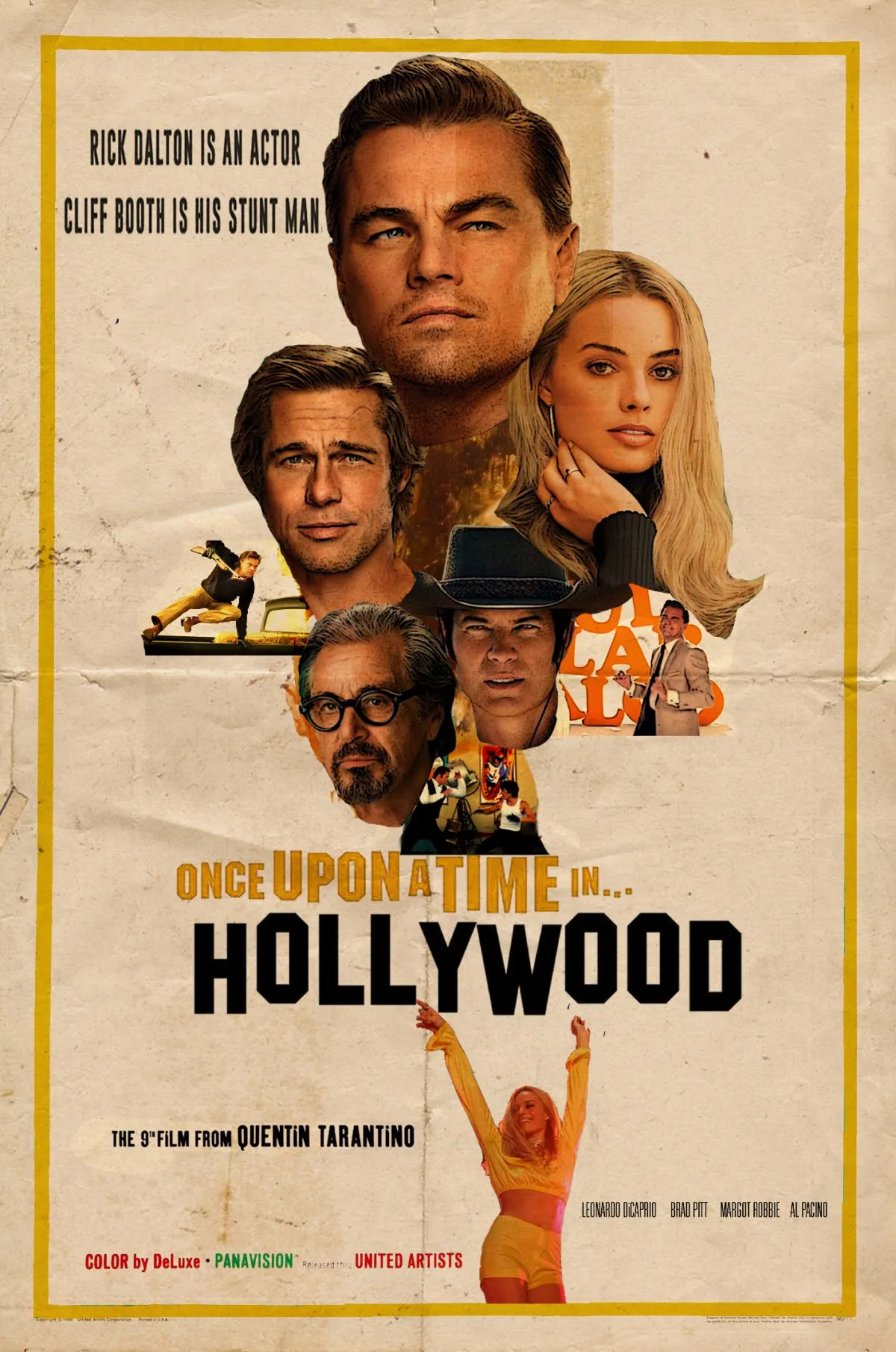
Who is involved
Once Upon a Time in Hollywood, released in 2019, became a global sensation, captivating audiences with its character-driven narrative and stellar performances by Leonardo DiCaprio and Brad Pitt. The film was not only a commercial success but also a critical darling, earning numerous accolades and solidifying Quentin Tarantino’s reputation as a master storyteller. Expectations for any follow-up were high, as fans and critics alike anticipated how the narrative universe established in the original would evolve.
Fast forward to 2026, and the landscape has shifted dramatically. Netflix announced the release of a sequel titled The Adventures of Cliff Booth, scheduled for August 2026. This decisive moment marks a significant transition in how sequels to major films are produced and distributed, particularly in the streaming era. With a staggering $20 billion content budget for 2026, Netflix is positioning itself to dominate the entertainment landscape, and this sequel is a key part of that strategy.
Brad Pitt will reprise his role as Cliff Booth, while Quentin Tarantino returns as the writer, a move that reassures fans of the original film’s authenticity. David Fincher, known for his meticulous direction and storytelling prowess, takes the helm as director, promising a fresh yet familiar experience. The sequel is set eight years after the events of the original film, focusing heavily on the character of Cliff Booth, which suggests a deeper exploration of his story and relationships.
The film’s cast also includes notable actors such as Scott Caan, Timothy Olyphant, Elizabeth Debicki, Carla Gugino, and Yahya Abdul-Mateen II, indicating a robust ensemble that could enhance the narrative depth. However, the initial trailer has received mixed reactions from fans, reflecting the high stakes and expectations surrounding this sequel. While some are excited about the return of beloved characters, others express skepticism about whether the sequel can capture the magic of its predecessor.
Industry experts have weighed in on this development, with Dan Lin, a prominent figure in film production, stating, “We’re looking to do special things in theatrical, but just give us some time.” This comment underscores the ongoing evolution of film distribution, as traditional theatrical releases face increasing competition from streaming platforms. Lin also noted, “I think competition is a good thing … I think we’ll be even better because we have that competition, it makes us hungrier, sharper, so we’re not afraid of the competition.” This sentiment reflects a broader industry trend where streaming services are not just competing with each other but also with traditional cinema.
The release of The Adventures of Cliff Booth is a pivotal moment for Netflix, as it attempts to solidify its position in the film industry amidst changing viewer habits and preferences. The film’s release window was revealed in March 2026, and with the original film’s success as a benchmark, expectations are set high. The sequel’s focus on Cliff Booth suggests a narrative that could explore themes of redemption, friendship, and the complexities of Hollywood life, resonating with the audience’s nostalgia for the original.
As the film approaches its release date, details remain unconfirmed regarding specific plot points and character arcs. However, the anticipation surrounding the sequel is palpable, as fans eagerly await to see how Tarantino and his team will expand upon the world established in Once Upon a Time in Hollywood. The film’s unique blend of nostalgia and fresh storytelling could potentially redefine how sequels are perceived in the contemporary cinematic landscape.
In summary, the transition from a standalone film to a sequel reflects not only the success of Once Upon a Time in Hollywood but also the changing dynamics of film production and distribution in the digital age. As audiences prepare for The Adventures of Cliff Booth, the film promises to be a significant chapter in the ongoing story of Hollywood’s evolution.