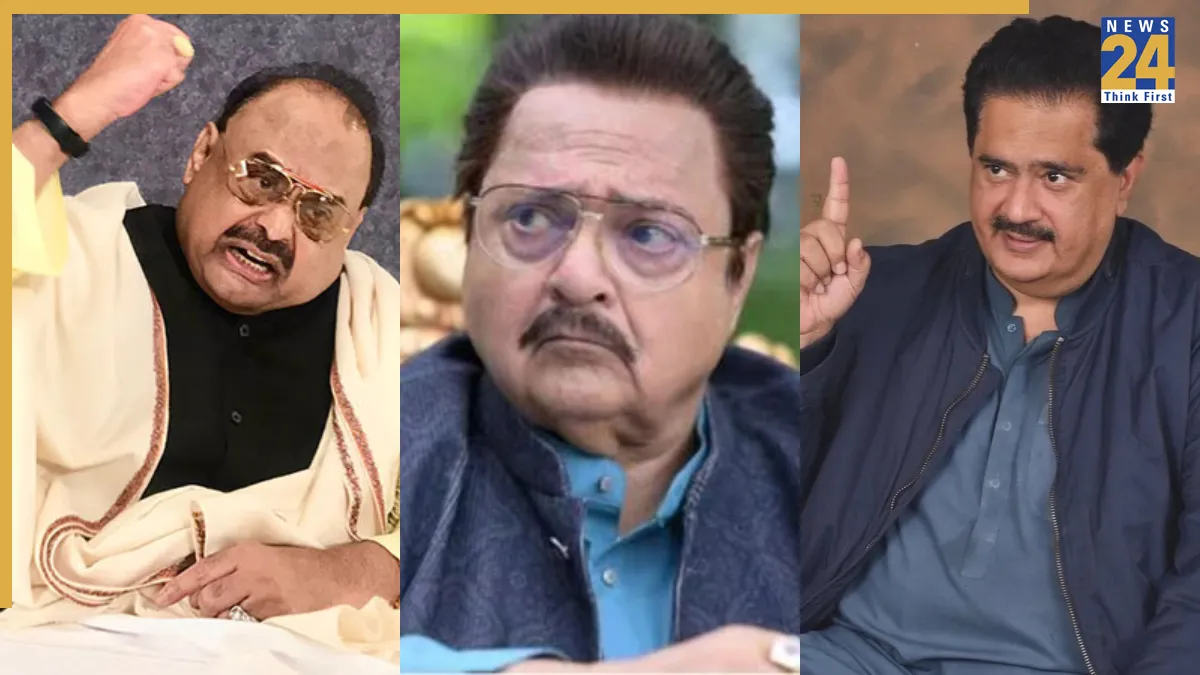
Nabil Gabol, a prominent Pakistani politician and tribal chief from Lyari, Karachi, has recently made headlines due to his dissatisfaction with the portrayal of a character inspired by him in the film Dhurandhar: The Revenge. Gabol, who has served multiple terms in the National Assembly and is currently representing the Pakistan Peoples Party (PPP), expressed his concerns regarding how the character Jameel Jamali reflects on him.
Born on November 16, 1962, Gabol is 63 years old as of March 2026 and has a long-standing political career, having served in the National Assembly from 2002 to 2015 and again from 2024 to the present. His political journey includes a notable tenure as the youngest Deputy Speaker of the Sindh Assembly from 1993 to 1996 and as the Minister of State for Ports and Shipping from 2008 to 2011.
In his recent statements, Gabol criticized the filmmakers, stating, “It’s not me. Don’t believe whatever is depicted in the film. It’s a crooked attempt by Indian filmmakers to deliberately distort and malign my character. But that’s not me.” His remarks highlight his concern that audiences might confuse the fictional portrayal with reality, potentially leading to misconceptions about his character.
Gabol’s apprehension stems from the fact that the character Jameel Jamali in Dhurandhar is loosely based on him, a detail he acknowledged during the release of the film’s first part. However, he now fears that the sequel’s representation could lead viewers to mistakenly perceive him as an Indian spy.
In addition to his concerns about the film, Gabol has faced online trolling for his differing views on the character’s portrayal between the two parts of the film. This backlash reflects the contentious nature of political figures being depicted in popular media.
As the debate continues, Gabol’s statements have sparked discussions about the responsibilities of filmmakers in accurately representing real-life figures, particularly in politically charged environments. His call for a more truthful depiction resonates with many who believe that artistic liberties should not come at the cost of personal integrity.
The situation remains dynamic, with Gabol’s comments drawing attention to the intersection of politics and entertainment in Pakistan. As reactions unfold, it will be interesting to see how this controversy influences public perception of both Gabol and the film.