How it unfolded
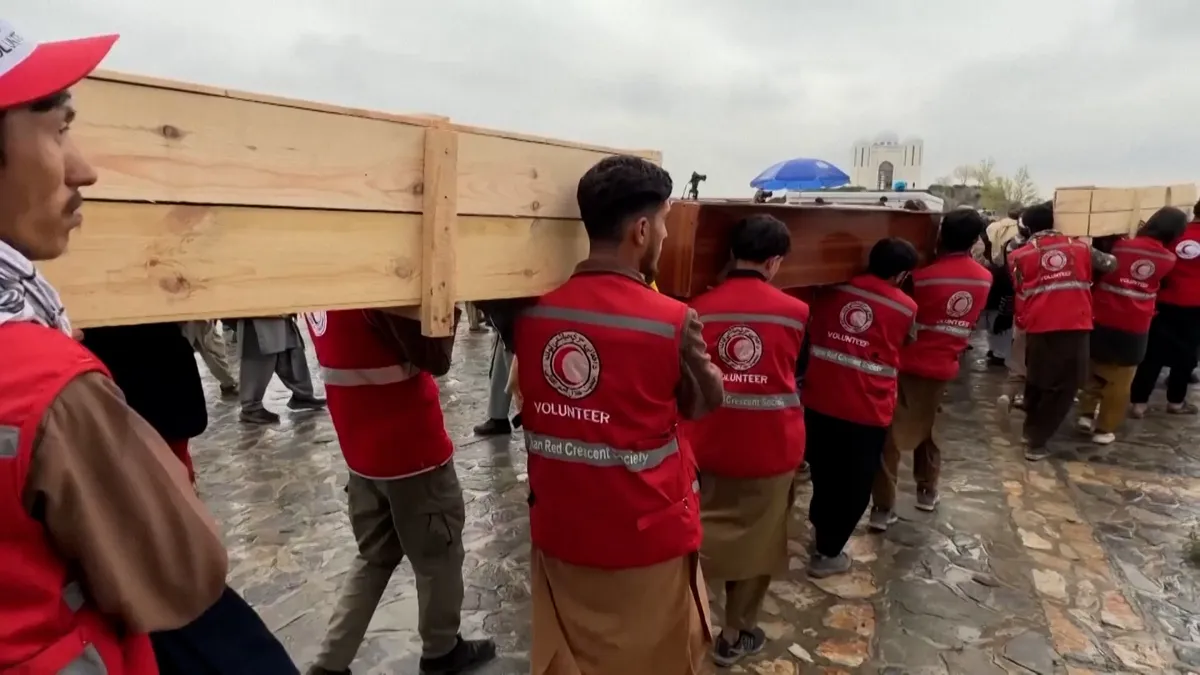
In a tragic turn of events, a Pakistani air strike on a drug rehabilitation centre in Kabul resulted in the deaths of 143 individuals. This incident, which occurred recently, has heightened tensions in an already volatile region. The air strike has drawn international condemnation and raised questions about Pakistan’s military operations in Afghanistan.
Simultaneously, another significant development unfolded involving espionage allegations against a civilian employee at an Indian Air Force station. The individual was arrested for allegedly spying for Pakistani handlers, marking a concerning escalation in India-Pakistan relations. Reports indicate that the accused had been in contact with Pakistani intelligence operatives since 2023, suggesting a long-term infiltration effort.
These events are set against the backdrop of Pakistan’s strategic relationships with neighboring countries. Pakistan has maintained a long-standing relationship with Saudi Arabia, providing military support for decades. This alliance is underscored by a Strategic Mutual Defence Agreement, which solidifies military cooperation between the two nations.
Trade relations also play a crucial role in Pakistan’s foreign policy. The trade volume between Pakistan and Saudi Arabia amounts to nearly US$5 billion, while bilateral trade with Iran stands at roughly US$3 billion. These economic ties are essential for Pakistan, especially as it navigates complex regional dynamics.
In addition to economic partnerships, Pakistan’s demographic composition is noteworthy. Approximately 20 percent of Pakistan’s population identifies as Shia, which influences its foreign policy and internal dynamics. The Shia community’s presence is significant, particularly in the context of Pakistan’s relations with Iran, a predominantly Shia nation.
Moreover, Pakistan has recently negotiated with Iran to ensure safe passage for fuel shipments through the Strait of Hormuz. This agreement is crucial for maintaining energy security and demonstrates Pakistan’s efforts to strengthen ties with its western neighbor amid regional tensions.
As of now, the situation remains fluid, with the aftermath of the Kabul air strike prompting calls for accountability and a reassessment of military strategies in the region. The espionage case adds another layer of complexity to the already strained relations between India and Pakistan.
These developments matter significantly for those involved, as they highlight the fragile nature of peace and security in South Asia. The tragic loss of life in Kabul and the implications of espionage allegations could have far-reaching consequences for diplomatic relations and regional stability.