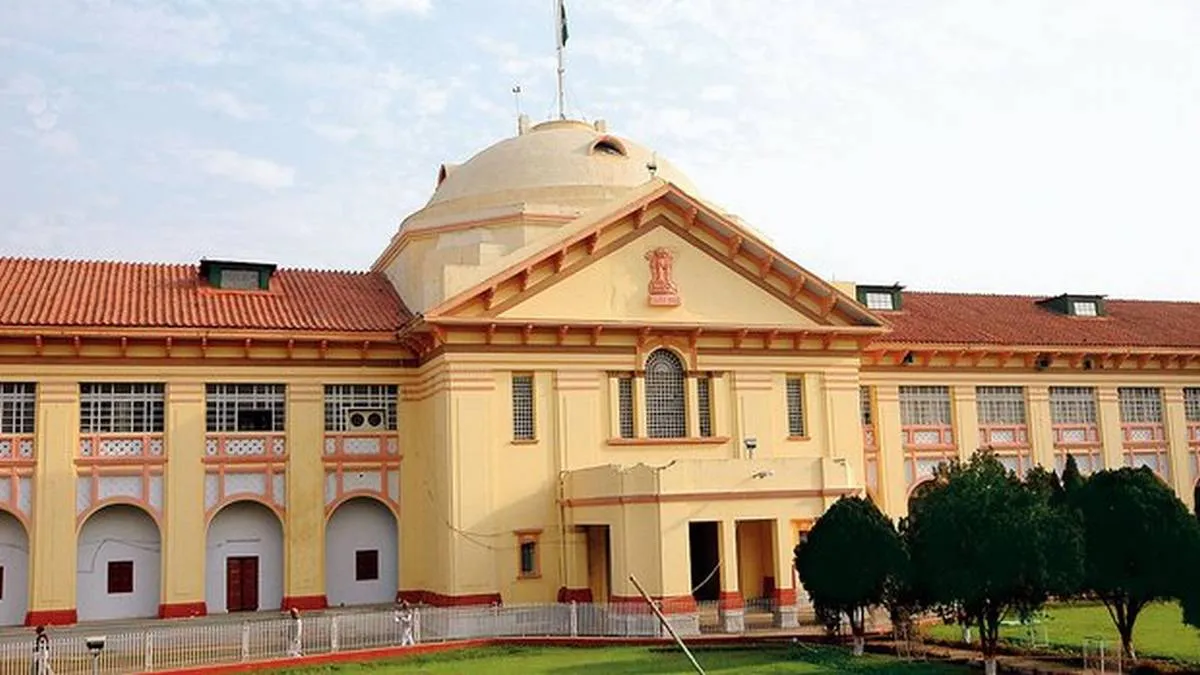
What recent rulings have been made by the Patna High Court and the Supreme Court of India?
The Patna High Court and the Supreme Court of India have recently issued important rulings that address significant issues regarding land rights and property acquisition in Bihar. The Patna High Court directed the Bihar government to halt the eviction of a Mahadalit woman from a settlement in Begusarai district, emphasizing the need for clarity regarding the Bihar Land Encroachment Act, 1956. This ruling raises questions about the protection of vulnerable communities in land disputes.
In a separate but equally impactful decision, the Supreme Court struck down a Bihar law aimed at acquiring the Srimati Radhika Sinha Institute and Sachchidananda Sinha Library, a century-old institution in Patna. The court found the law to be manifestly arbitrary and in violation of Article 14 of the Indian Constitution, which guarantees equality before the law. This ruling underscores the judiciary’s role in protecting institutional heritage and the rights of property owners.
What led to these significant court decisions?
The eviction case brought before the Patna High Court involved Saroj Devi, a Mahadalit woman, whose eviction was ordered by the state government. The court’s intervention halted the eviction until further orders, as it sought clarification from the Bihar government regarding the legal framework governing land encroachment. This situation highlights ongoing tensions between state policies and the rights of marginalized communities.
On the other hand, the Supreme Court’s decision regarding the library stems from a law enacted in 2015 that allowed the state to acquire the library for a token compensation of just one rupee. Established in 1924 by Sachchidanand Sinha in memory of his wife, Radhika Sinha, the library was created through a trust supported by Sinha’s personal funds and a substantial collection of books. The Supreme Court ruled that such a provision for token compensation was confiscatory and failed constitutional scrutiny, restoring management rights to the library’s trustees.
What are the implications of these rulings?
The implications of the Patna High Court’s ruling are significant for the Mahadalit community, as it sets a precedent for protecting individuals from unjust evictions. The court’s decision to seek clarification from the state regarding the land encroachment law indicates a commitment to ensuring that vulnerable populations are not disproportionately affected by state actions.
Similarly, the Supreme Court’s ruling regarding the library not only protects an important cultural institution but also reinforces the principle that legislative measures must adhere to constitutional standards of fairness and equity. The court’s assertion that a statutory provision enabling property acquisition at a token amount lacks fairness highlights the judiciary’s role in safeguarding individual rights against arbitrary state actions.
What comes next?
As the legal landscape continues to evolve, the outcomes of these rulings will likely influence future cases involving land rights and property acquisition in Bihar. The Patna High Court’s ongoing examination of the Bihar Land Encroachment Act may lead to further clarifications that could impact similar cases across the state. Additionally, the Supreme Court’s decision to restore management rights to the library’s trustees may prompt discussions about the protection of other cultural institutions facing state acquisition.
Details remain unconfirmed regarding any potential legislative responses from the Bihar government following these rulings. The legal community and affected individuals will be closely monitoring developments to understand the broader implications for land rights and institutional preservation in Bihar.