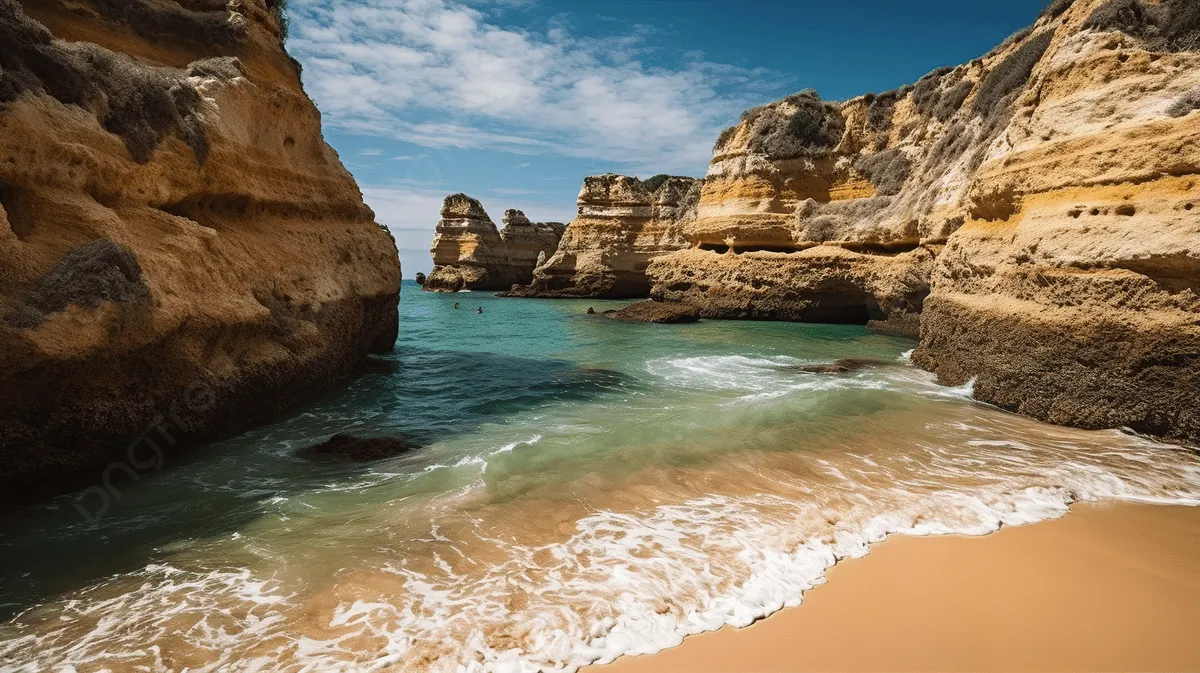
Portugal, once the world’s richest country during its colonial empire peak, has seen a dramatic transformation in its economic landscape. Today, the economy is dominated by services, with agricultural output accounting for less than 3 percent of its GDP.
Historically, Portugal was significantly impacted by the euro-zone debt crisis in 2009, leading to a €78 billion bailout package authorized by the EU and IMF in 2011. This financial assistance aimed to stabilize the economy, which had been struggling since the revolution in the mid-1970s that reoriented its economic focus toward Europe.
Despite nearly one-third of Portugal’s land area being used for agriculture, the sector has faced challenges, with the country now being among the world’s largest exporters of tomato paste and wines. The fishing industry, once a cornerstone of the economy, experienced a severe decline in the mid-1980s, while cork production remains a significant industry, with the majority of Portugal’s forests privately owned.
In recent developments, students in Lisbon have taken to the streets to protest against high tuition fees and demand better conditions in higher education. “We want higher education for everyone, but fewer and fewer students are entering higher education, and it is the poorest who are hardest hit, because they simply cannot get in,” stated a spokesperson for the Students’ Association of the Faculty of Social and Human Sciences at NOVA University Lisbon.
These protests have garnered support from over 50 organizations within the Student Association Movement, highlighting the urgency of the situation. Education Minister Fernando Alexandre remarked that “tuition fees should in fact be updated in line with the inflation rate,” indicating a recognition of the financial pressures faced by students.
In response to the growing concerns, the government has proposed measures to increase the number of beds in halls of residence by 14,000, aiming to alleviate some of the housing pressures faced by students. However, the proposal was voted down in parliament, leaving many students feeling frustrated and unheard.
As Portugal navigates these economic challenges, observers are closely watching how the government will respond to the demands of the student population and the broader implications for the country’s education system. The struggle for better educational access continues, with students determined to make their voices heard.
Portugal’s journey from a colonial powerhouse to a modern economy reflects a complex interplay of historical events and current challenges. The ongoing protests and economic shifts underscore the need for continued adaptation and reform.