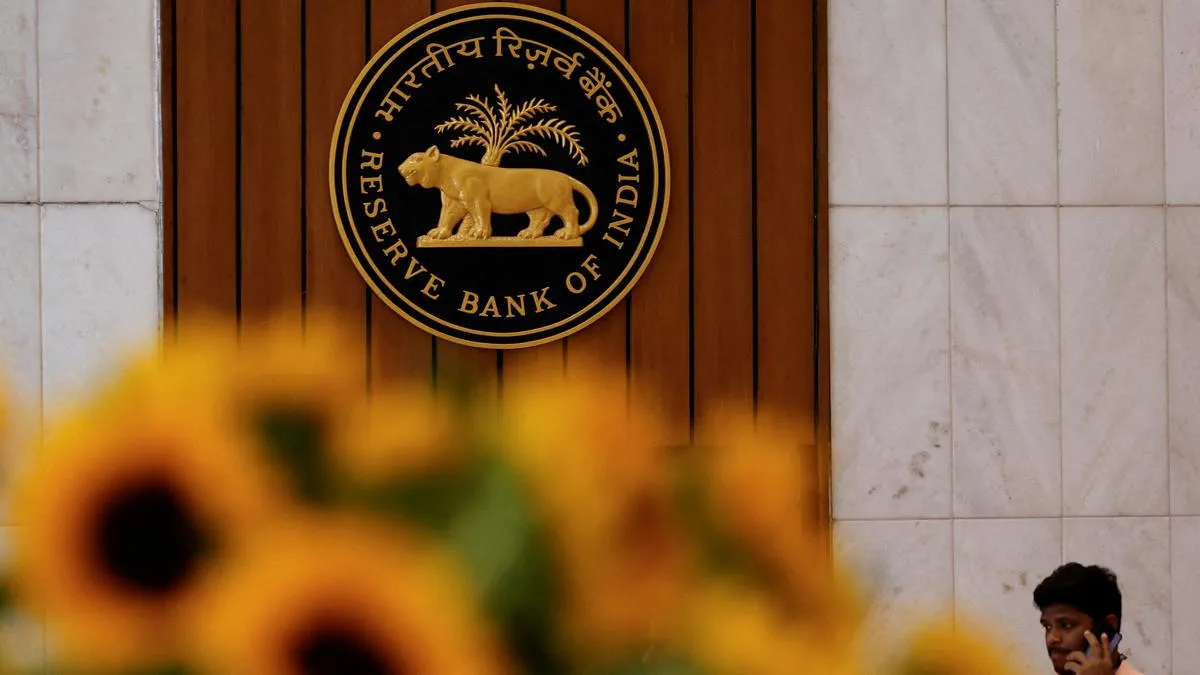
The Reserve Bank of India (RBI) had initially set an implementation date of April 1, 2026, for its new capital market exposure rules. These guidelines were designed to provide a framework for banks to finance acquisitions by Indian corporates, aiming to enhance the stability and transparency of financial transactions in the capital markets.
However, in a decisive shift, the RBI announced a three-month postponement of these rules, moving the new deadline to July 1, 2026. This change comes after the RBI received numerous requests from banks, capital market intermediaries, and industry bodies seeking additional time and clarity regarding operational issues related to the new guidelines.
The amended guidelines, which were first issued in February 2026, included specific provisions such as allowing acquisition finance only for gaining control over non-financial target companies. Additionally, banks were directed to unwind large currency positions by April 10, 2026, amidst a backdrop of a depreciating rupee.
As of now, the rupee has reached a historic low of ₹94.81 against the dollar, having fallen four percent since the onset of recent geopolitical tensions. This decline has raised concerns among stakeholders about the potential impact on financial stability and the operational readiness of banks to comply with the new rules.
The RBI clarified that acquisition finance can also be utilized for on-lending to subsidiaries for acquiring target companies, which could facilitate corporate growth and investment. However, strict caps have been placed on loans to individuals against eligible securities, set at ₹1 crore per individual, and a limit of ₹25 lakh for subscribing to shares under IPOs, FPOs, or ESOPs.
In light of these developments, the RBI stated, “The Reserve Bank has since received representations from banks, CMIs, and various industry associations seeking an extension of the effective date, and also flagging certain operational and interpretational issues for clarification.” This acknowledgment reflects the RBI’s responsiveness to the concerns raised by the financial sector.
Experts suggest that this extension may provide banks with the necessary time to adapt to the new regulations, ensuring a smoother transition and minimizing potential disruptions in the capital markets. The RBI’s decision to delay the implementation underscores the importance of stakeholder engagement in shaping effective financial regulations.
As the new deadline approaches, market participants will be closely monitoring the RBI’s actions and any further clarifications that may arise. The evolving landscape of capital market regulations will undoubtedly have significant implications for both banks and corporate entities in India.
Details remain unconfirmed regarding any additional changes that may be made before the new deadline. Stakeholders are advised to stay informed as the situation develops.