As of April 2026, El Salvador is in the midst of a significant crackdown on gang violence, a situation that has escalated over the past four years under President Nayib Bukele’s administration. The government has imposed a state of exception, leading to the detention of approximately 91,000 individuals, many of whom are accused of being affiliated with gangs such as Mara Salvatrucha and Barrio 18.
In recent developments, mass trials are set to move forward against around 20,000 detainees. These trials have raised serious concerns regarding due process, as the reforms to the organized crime law have eliminated hearings where evidence is evaluated. Critics argue that this could lead to wrongful convictions.
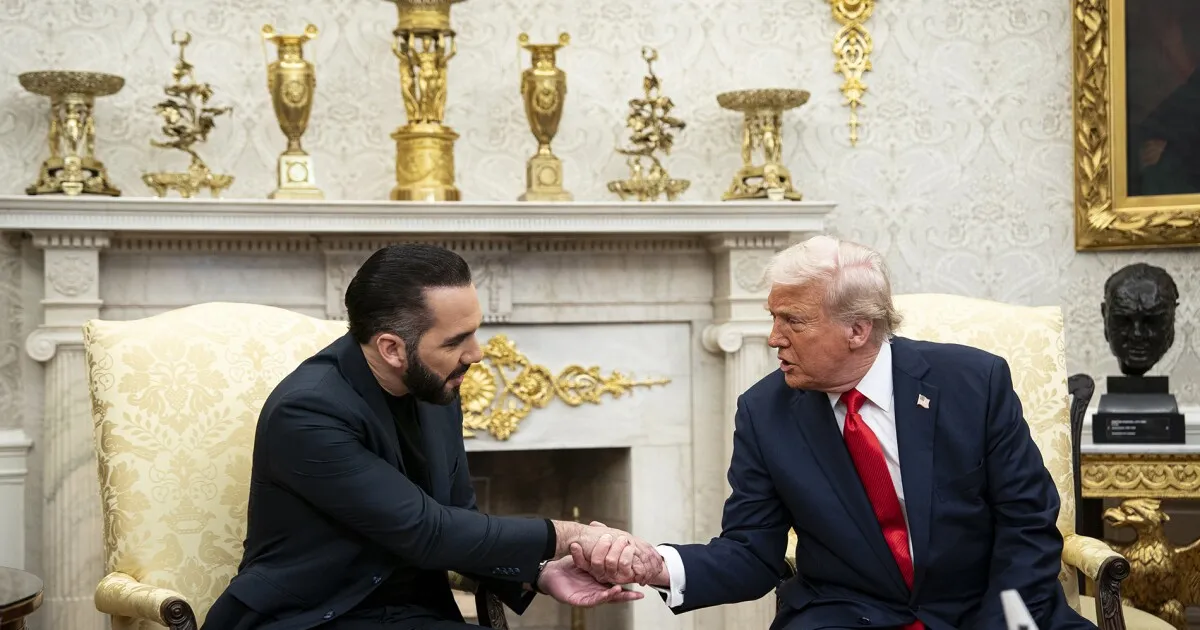
On April 7, 2026, the documentary “The Deal: Trump, Bukele & the Gangs of El Salvador” is scheduled to premiere, shedding light on the controversial agreement between Bukele and former U.S. President Donald Trump. This deal reportedly involved the imprisonment of deportees accused of gang affiliations, further complicating the situation.
Notable cases include Williams Díaz, who was detained while commuting to work and is now awaiting trial in a mega-prison designed for gang members. Similarly, Jonathan, a 24-year-old maquila worker, has been grouped with about 80 others in a Mara Salvatrucha clique, highlighting the indiscriminate nature of the detentions.
Human Rights Watch has documented instances where detentions were triggered by anonymous calls or neighborhood disputes, raising alarms about the potential for wrongful arrests. The attorney general’s office has promised 3,000 indictments in the first quarter of 2026, aiming to expedite the judicial process for alleged gang members.
Despite the government’s claims of success in reducing gang violence, reports indicate that around 500 deaths have occurred in prisons under the state of exception. The situation remains dire, with many detainees facing years without conviction. As Reynaldo Santos, a detainee, described, “It is Russian roulette, anguish, an ordeal.”
Gladis Villatoro, another detainee, expressed her fears, stating, “Some will pay for others. If they convict one, they convict the whole group.” This sentiment reflects the broader anxiety surrounding the mass trials and the potential for innocent individuals to be swept up in the government’s aggressive anti-gang measures.
As the situation evolves, the implications of Bukele’s policies continue to resonate throughout El Salvador. While he remains popular for his efforts to combat gang terror, the lack of due process and the potential for wrongful arrests cast a shadow over his administration’s achievements. The exact number of wrongful arrests remains unclear, and details of the deal between Trump and Bukele are still unconfirmed.