Reaction from the field
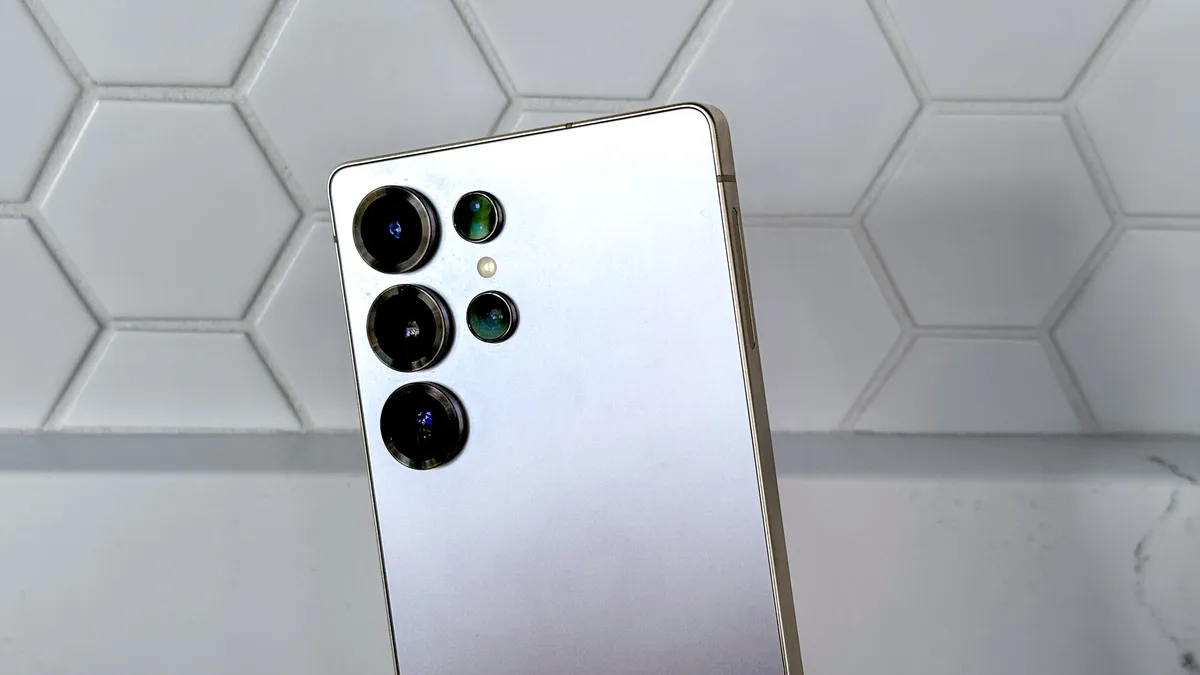
The launch of the Samsung Galaxy S26 Ultra has been met with considerable backlash from users, primarily due to issues related to its innovative Privacy Display technology. Many consumers have reported experiencing eye strain and nausea, raising concerns about the usability of this feature. One user stated, “It messed with my eyes and gave me eye strain and a bit of nausea and tiny head aching.” This feedback highlights the potential health implications of the device’s design and functionality.
In an effort to mitigate the impact of these complaints, Samsung initially offered a $250 discount to users who were dissatisfied with their purchase. However, this offer was later rescinded, leading to further frustration among consumers. A user on social media remarked, “The $250 refund exploit for the #GalaxyS26Ultra was fun while it lasted, but Samsung finally woke up.” This indicates a growing discontent among users who feel that their concerns are not being adequately addressed.
Additionally, the Galaxy S26 Ultra supports 25W wireless charging, a feature that many users expect to enhance their experience. However, reports have surfaced indicating that achieving these charging speeds is not straightforward. Users have noted that third-party cases can interfere with the wireless charging capabilities, and even Samsung’s own accessories sometimes fail to allow the device to reach its full potential. This has led to a perception that the device may not live up to its advertised specifications.
Another point of contention is the reported decrease in display brightness compared to its predecessor, the Galaxy S25 Ultra. While the S26 Ultra was anticipated to improve upon previous models, this dip in brightness has left some users disappointed. The reasons behind this change remain unclear, and details remain unconfirmed.
The Galaxy S26 Ultra is priced at over $1,300, positioning it as a premium device in the smartphone market. This high price point raises expectations for performance and quality, making the reported issues even more significant. Users investing in such an expensive device expect a seamless experience, and the current complaints suggest that Samsung may need to reevaluate its product design and customer service strategies.
For those seeking additional protection for their devices, various cases are available, ranging from the ROKFORM Rugged Case priced at $69.99 to more affordable options like the Spigen Ultra Hybrid MagFit case at $17.99. However, potential buyers should be aware that these accessories may impact the wireless charging performance of the Galaxy S26 Ultra.
As Samsung navigates these challenges, the company faces the task of restoring consumer confidence in its flagship device. The effectiveness of the Privacy Display technology remains unclear for all users, and the exact reasons for the display brightness dip compared to the Galaxy S25 Ultra are not confirmed. With ongoing feedback from users and potential updates from Samsung, the future of the Galaxy S26 Ultra remains uncertain.