The numbers
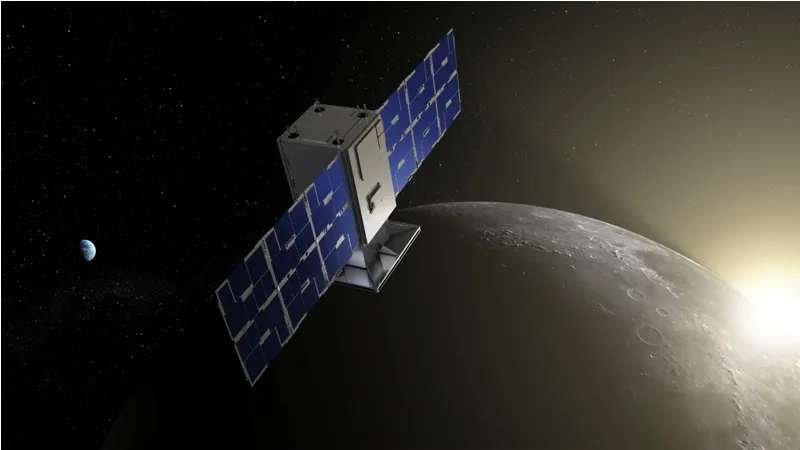
NASA is embarking on a transformative journey in space exploration, with plans to invest $20 billion to support continuous activity on the Moon. This ambitious initiative includes the upcoming Artemis II mission, which will carry four astronauts around the Moon, marking the first such mission since 1972.
As part of its long-term vision, NASA aims to establish a permanent human base on the lunar surface. This base is expected to facilitate ongoing research and exploration, paving the way for future missions to Mars and beyond. The Artemis program is central to this vision, with NASA planning to conduct lunar landings at least once every six months, starting with Artemis IV in 2028.
In an innovative move, NASA plans to deploy a nuclear reactor on the Moon by 2030. This reactor is intended to provide a sustainable power source for lunar operations, enhancing the feasibility of long-term human presence on the Moon. NASA Administrator Jared Isaacman emphasized the urgency of these developments, stating, “We have moved quickly, taken action to cut bureaucracy, and introduced deregulation focused on empowering the workforce.”
Another significant aspect of NASA’s lunar exploration efforts is the LUPEX mission, a collaboration involving JAXA, NASA, ISRO, and the European Space Agency (ESA). The LUPEX rover will carry NASA’s Neutron Spectrometer to explore the Moon’s South Pole region, a site of great interest due to its potential water ice deposits.
The lunar polar environment presents unique challenges, with periods of continuous visibility lasting two weeks, followed by two weeks of non-visibility. NASA’s Deep Space Network will play a crucial role in supporting the operation of the LUPEX rover, ensuring that data is transmitted back to Earth effectively.
As NASA continues to push the boundaries of space exploration, the agency’s focus on lunar missions reflects a broader global interest in returning humans to the Moon. The collaboration with international partners like JAXA and ISRO highlights the importance of shared knowledge and resources in achieving these ambitious goals.
Looking ahead, the successful execution of these missions will not only advance our understanding of the Moon but also set the stage for future exploration of Mars and beyond. Details remain unconfirmed regarding some aspects of these plans, but the momentum in space exploration is undeniable, with NASA leading the charge into a new era of discovery.