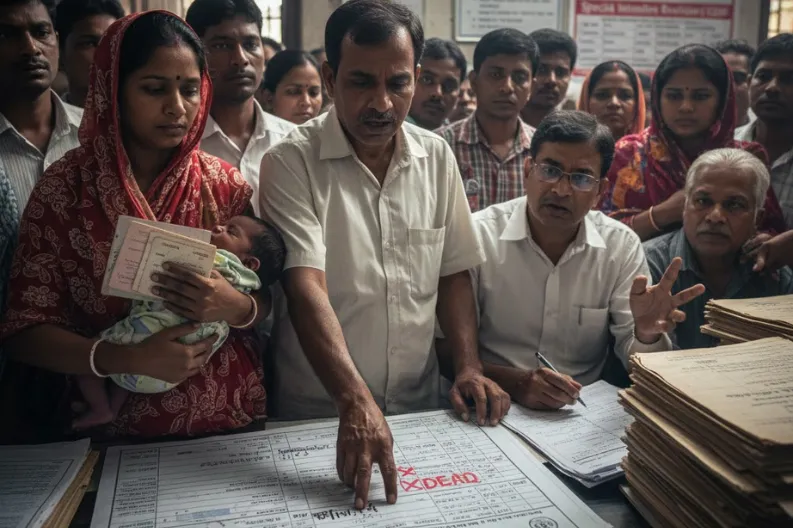
The supplementary voter list for 2026 in West Bengal has marked a significant shift in the electoral landscape. Prior to this development, expectations were set around the final electoral roll published on February 28, which included 7,08,16,630 names. However, the recent updates have revealed a different narrative.
As of now, the Election Commission of India (ECI) and the West Bengal Chief Electoral Officer (CEO) have published the first supplementary voter list. This list comes after the settlement of 27 lakh pending voter records, with approximately 2 lakh names being processed daily. This decisive moment has led to a total of 7,04,59,284 voters now registered in the state.
In addition to the voter record updates, the ECI has completed 29 lakh adjudications out of 60 lakh cases that were under judicial review. This indicates a substantial effort to streamline the electoral process and address discrepancies in voter registrations.
The impact of these changes is significant for various political parties and candidates. With 73 Returning Officers removed from their positions, the integrity of the electoral process is being closely monitored. Furthermore, the model code of conduct is being strictly enforced across all assembly constituencies, ensuring fair practices leading up to the elections.
Manoj Kumar Agarwal, a spokesperson for the ECI, emphasized that voters whose names are excluded from the supplementary list will have the opportunity to appeal through designated tribunals. This provision aims to enhance transparency and accountability in the electoral process.
The supplementary list is expected to be officially released around 9.30 PM on Monday, according to Agarwal. The centralised processing of this list is currently underway at the apex poll body’s office in Delhi, reflecting a coordinated effort to ensure accuracy and timeliness.
Moreover, the SIR exercise in Bengal, which was announced on October 27 last year, has set the stage for these updates. The hard copy of the supplementary list will be made available at the offices of the district electoral officers (DEOs), ensuring accessibility for voters.
As West Bengal prepares for the upcoming elections, the changes in the supplementary voter list signal a proactive approach to voter registration and electoral integrity. The ongoing adjustments and the involvement of judicial review processes highlight the importance of maintaining a fair electoral environment.
While the updates are promising, details remain unconfirmed regarding the final implications of these changes on voter turnout and party strategies. The political landscape in West Bengal is poised for a transformation as these developments unfold.