Temperature Trends in Mumbai
Mumbai has long been known for its tropical climate, characterized by warm temperatures and high humidity. Historically, the city has experienced a gradual rise in temperatures as the seasons change, but recent developments have taken this trend to a new level. Prior to March 2026, the expectations for the season were relatively moderate, with temperatures typically hovering around 35 degrees Celsius during this time of year.
Decisive Moment: The Heatwave Emerges
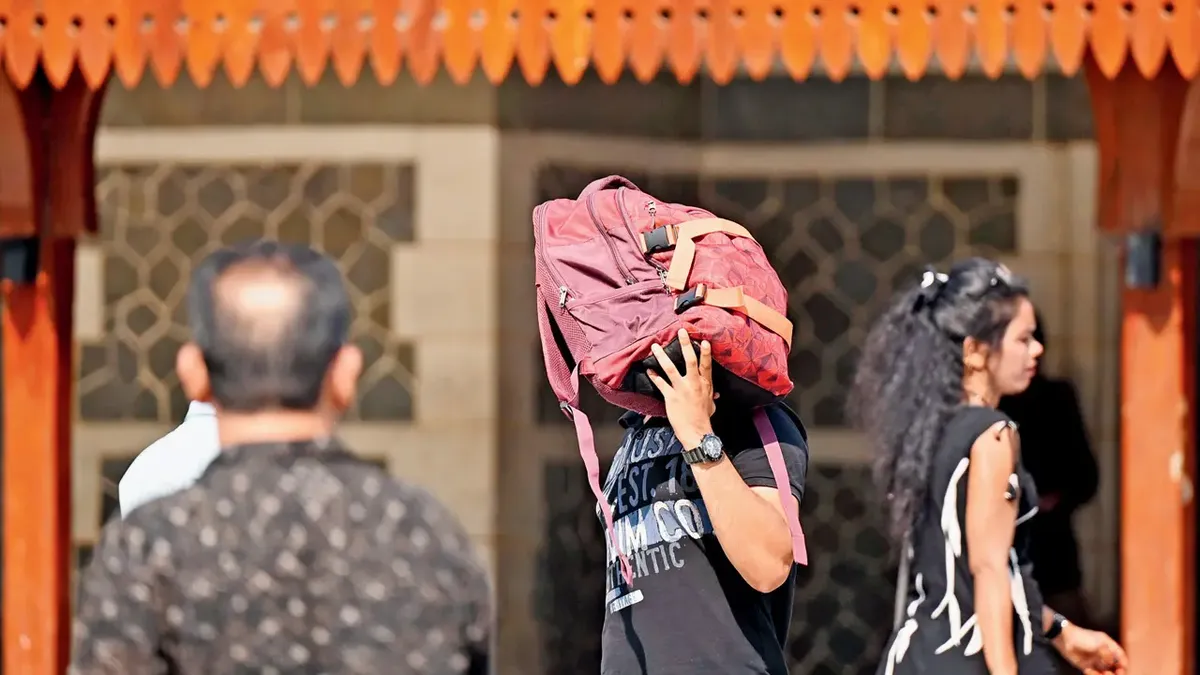
On March 9, 2026, however, the situation shifted dramatically. Mumbai recorded a maximum temperature of 38.4 degrees Celsius, marking the onset of the city’s first heatwave of the season, the earliest in at least a decade. The India Meteorological Department (IMD) quickly issued a heatwave warning for the area, highlighting the severity of the situation. In certain localities, temperatures soared even higher, with Ram Mandir reaching a staggering 42.5 degrees Celsius and Vikhroli recording 41.7 degrees Celsius.
Immediate Effects on the City
The spike in temperatures has had immediate repercussions for the residents of Mumbai. The IMD’s predictions indicated that temperatures would remain elevated, with expectations of 39 degrees Celsius on March 9 and 37 degrees Celsius on March 10. Additionally, the humidity levels in the city fluctuated between 18% and 34%, contributing to the discomfort felt by many. Wind speeds were recorded between 7.4 kmph and 29 kmph, providing little relief from the oppressive heat.
Expert Insights on the Temperature Surge
Experts have pointed to specific meteorological factors contributing to this sudden rise in temperatures. Sushma Nair, a senior scientist at IMD Mumbai, stated, “The spike in temperatures is attributed to the anticyclonic circulation in the Arabian Sea near south Gujarat and neighbouring areas including Mumbai.” This phenomenon has not only led to increased temperatures but has also prompted the IMD to issue a yellow warning for Mumbai and surrounding regions, including Thane, Palghar, and Navi Mumbai, for the following days.
Historical Context and Future Implications
Historically, Mumbai’s weather patterns have shown variability, but the early onset of heatwaves raises concerns about climate change and its effects on urban environments. The current situation serves as a reminder of the increasing frequency of extreme weather events in many parts of the world. As the city grapples with this heatwave, the implications for public health, infrastructure, and daily life are significant.
Looking Ahead
As temperatures are expected to remain high for the foreseeable future, residents and authorities alike must prepare for the ongoing challenges posed by this heatwave. The IMD’s warnings and forecasts will play a crucial role in guiding public response and ensuring safety during this period of extreme heat.
The recent surge in temperatures in Mumbai underscores the urgent need for awareness and preparedness in the face of changing climate patterns. With the city experiencing its earliest heatwave in a decade, the implications for health and safety are paramount. Details remain unconfirmed as the situation develops.