Reaction from the field
Sikkim, the only Indian state without railway connectivity, is on the verge of a transformative development that could significantly enhance its accessibility and economic prospects. The ongoing construction of a new railway line between Sevoke and Rangpo is expected to be operational by 2027, marking a pivotal moment for the state that has long relied on road and air travel.
The absence of railway infrastructure has contributed to Sikkim’s remoteness, making it challenging for residents and visitors alike to navigate the region. Currently, the distance from New Jalpaiguri to Gangtok, the capital of Sikkim, takes approximately four to five hours by road. Additionally, the state has an airport in Pakyong, located about 30 kilometers from Gangtok, but flights are scarce and often dependent on weather conditions, further complicating travel.
The new railway line, spanning approximately 44-45 kilometers, is poised to change the travel dynamics within the state. This development is not just about improving transportation; it is also expected to stimulate economic growth by facilitating the movement of goods and people. Enhanced connectivity could open up new opportunities for tourism and trade, which are vital for Sikkim’s economy.
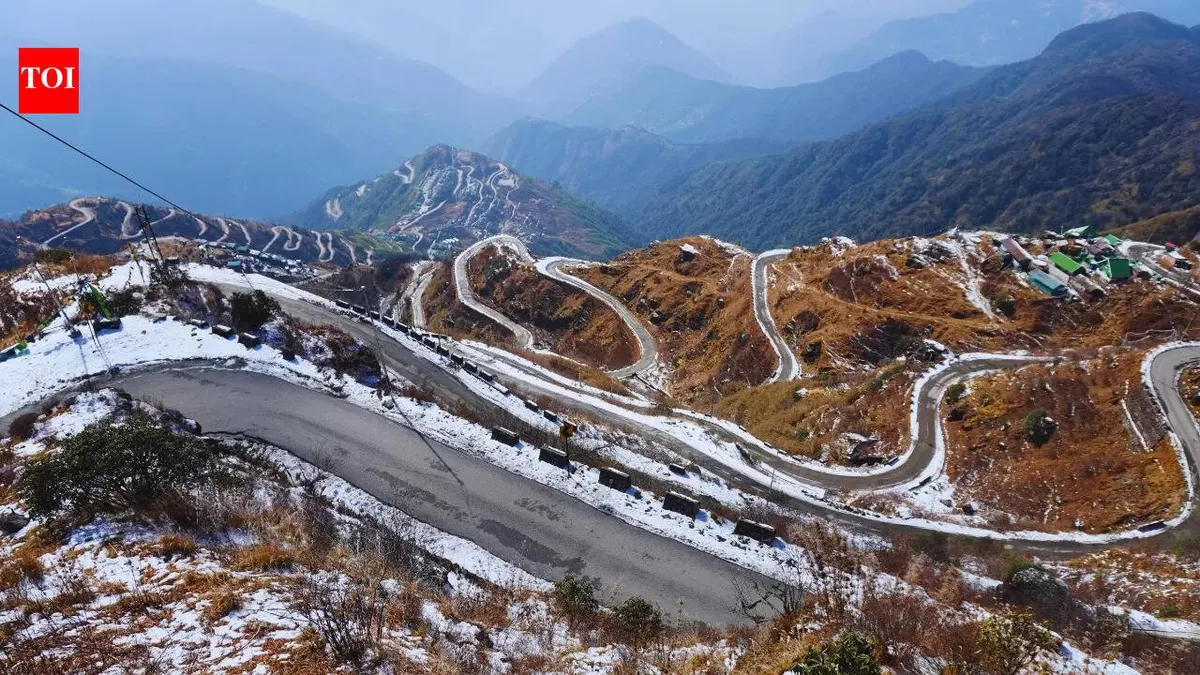
Historically, Sikkim’s challenging terrain, characterized by steep mountains and deep valleys, has hindered the establishment of a railway network. The construction of the railway line involves extensive tunneling and bridge work along the Teesta valley, showcasing the engineering challenges that lie ahead. However, the potential benefits of this project are immense, as it promises to integrate Sikkim more closely with the rest of India.
In a related context, the Mohra Power Project, commissioned in 1905, has been defunct since the 1990s due to damage from floods. Although its proposed capacity of about 10.5 MW is modest and unlikely to significantly reduce the region’s power deficit, the revival of such projects carries historical and symbolic importance. The Mohra hydroelectric plant was initially constructed to support dredging operations in the Jhelum River, reflecting the region’s long-standing relationship with infrastructure development.
As Sikkim prepares for its railway connectivity, the state government and Indian Railways are focused on ensuring that the project meets its deadlines and standards. The successful completion of the railway line could serve as a model for future infrastructure projects in other remote regions of India, demonstrating how connectivity can drive development.
While the railway project is a significant step forward, uncertainties remain regarding its impact on local communities and the environment. Details remain unconfirmed, and stakeholders are keen to understand how this development will affect the delicate ecological balance of the region.
In summary, the construction of the railway line in Sikkim represents a crucial development in the state’s infrastructure landscape. With the promise of improved accessibility and economic growth, Sikkim is on the brink of a new era, one that could redefine its place within India and enhance the quality of life for its residents.