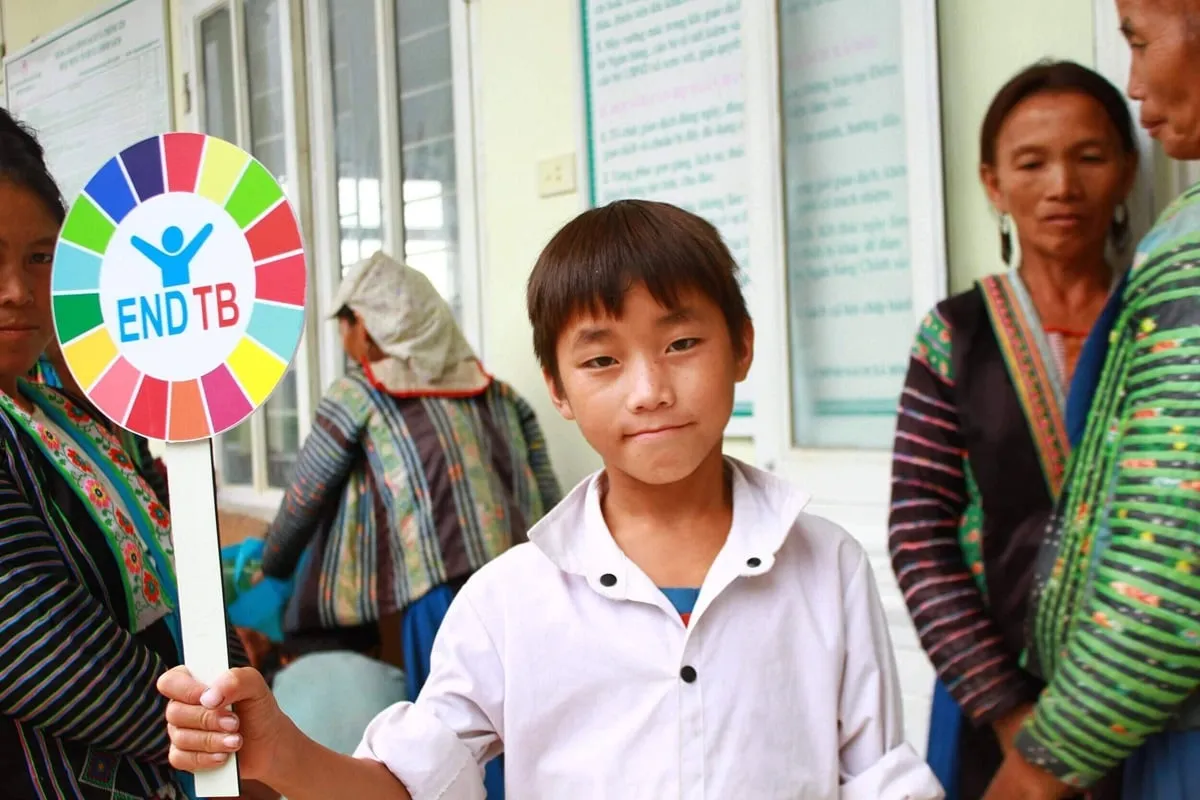
A recent report has revealed that a staggering 1.23 million people died from tuberculosis (TB) in 2024, underscoring the disease’s status as the world’s leading cause of death from a single infectious agent. This alarming statistic highlights the urgent need for enhanced public health measures and treatment accessibility.
In 2024, an estimated 10.7 million people fell ill with TB worldwide, with the largest number of new cases occurring in the WHO South-East Asia Region, accounting for 34% of global cases. Despite the preventable and curable nature of TB, only about 2 in 5 people with drug-resistant TB accessed treatment that year.
The intersection of TB and HIV remains particularly concerning, as individuals living with HIV are 12 times more likely to develop TB compared to those without the virus. In 2024, approximately 150,000 people died of HIV-associated TB, and only 61% of those living with HIV who developed TB received the necessary antiretroviral therapy (ART).
Public health experts emphasize that MDR-TB (multidrug-resistant TB) continues to pose a significant crisis and health security threat. The global community is urged to allocate US$ 22 billion annually for TB prevention, diagnosis, treatment, and care to meet targets by 2027.
In a related development, the Government of India has expanded its energy import sources from 27 countries to 41 over the past 11 years. This strategic move aims to ensure a stable supply of essential resources, including petrol, diesel, oil, gas, and fertilizers.
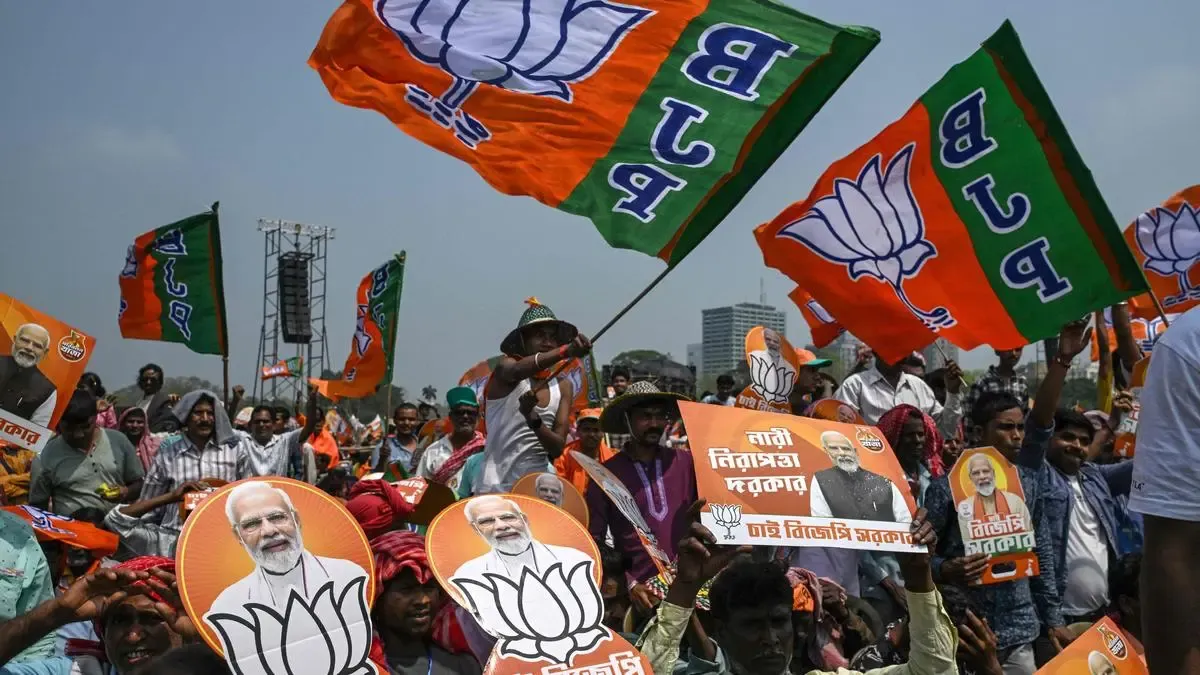
Prime Minister Modi stated, “India has always stood for peace in the interest of humanity and dialogue and diplomacy are the only solutions to this problem.” He further assured that the government is focused on maintaining smooth supplies of vital commodities.
The ongoing challenges presented by TB and other health issues highlight the need for coordinated international efforts and robust healthcare systems. As nations grapple with these public health crises, the importance of dialogue and collaboration becomes increasingly evident.
Details remain unconfirmed regarding the specific measures that will be implemented to address the rising TB cases and the associated health risks. However, the urgency of the situation calls for immediate action from global health authorities.