Before the emergence of Tropical Cyclone Vaianu, New Zealand was enjoying relatively calm weather conditions. The nation had been recovering from the devastating effects of Cyclone Gabrielle in 2023, which had left a lasting mark on the communities affected, resulting in 11 fatalities and extensive damage. The anticipation of another cyclone was not a welcome thought, but the general expectation was that the region would remain safe for the time being.
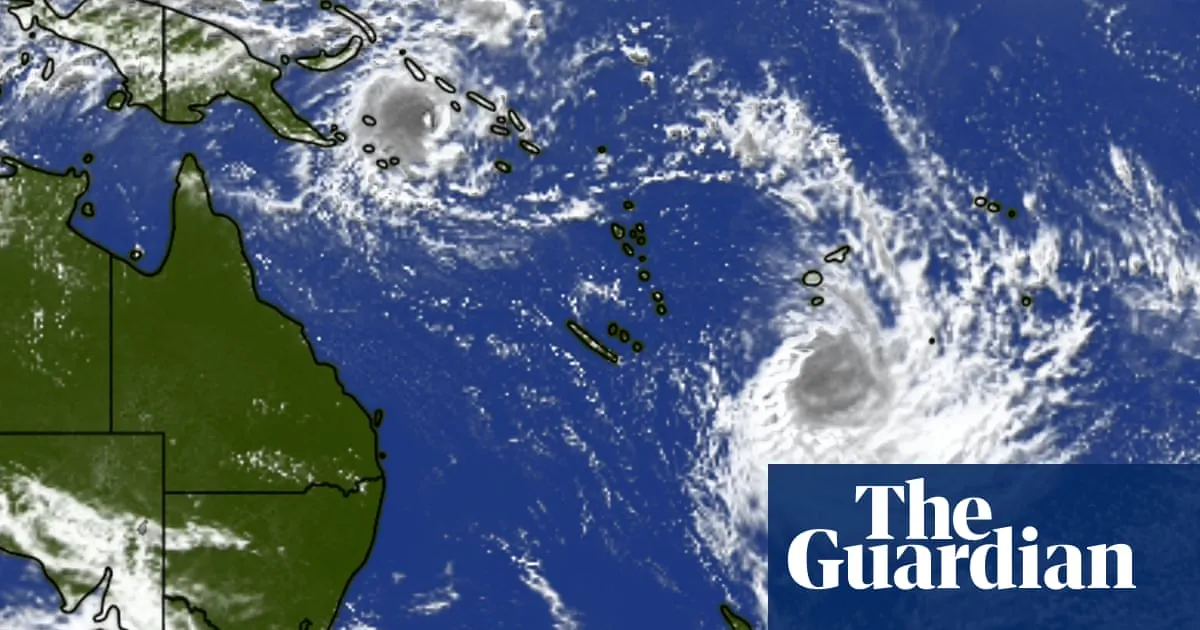
However, the situation changed dramatically as Tropical Cyclone Vaianu intensified into a category 3 cyclone, with winds around its center exceeding 150 km/h. As it moved south of Fiji towards New Zealand, meteorologists began issuing severe weather watches for the entire North Island, indicating that significant weather was imminent. This decisive moment marked a shift from calm to caution, as emergency services began to mobilize in preparation for the cyclone’s arrival.
The immediate effects of Cyclone Vaianu’s approach have been profound. Emergency services have urged residents to prepare for the cyclone’s impact, advising them to stock up on supplies and secure loose items in their yards. The cyclone is expected to bring damaging winds and heavy rain, with wind gusts potentially exceeding 100 km/h in affected areas. Furthermore, some regions may experience rainfall amounts between 100 to 200 mm within short periods, raising concerns about flooding and infrastructure damage.
Coastal areas are particularly vulnerable, facing dangerous ocean swells of 6 to 8 meters, which could lead to hazardous conditions for vessels and beachgoers. In response, vessel operations at Napier Port will be suspended from April 11 to April 13, highlighting the cyclone’s potential to disrupt normal activities. Evacuations have also been initiated in vulnerable coastal and flood-prone areas, as authorities take proactive measures to safeguard lives.
Experts are drawing parallels between Cyclone Vaianu and its predecessor, Cyclone Gabrielle, emphasizing the need for vigilance. Meteorologist John Law stated, “We have several days until we see the impacts of Vaianu on New Zealand, so this is an early severe weather watch, a heads-up for significant weather this weekend.” This sentiment underscores the urgency for residents to heed warnings and prepare adequately.
Prime Minister Christopher Luxon echoed these concerns, urging citizens to take the necessary precautions: “It’s a great opportunity to remind New Zealanders to do everything they can – stock up, get their supplies in order, get items that may be loose in their back yards tied down and in secure storage.” His call to action reflects the seriousness of the situation as the nation braces for the cyclone’s impact.
As the cyclone approaches, uncertainties remain regarding its exact track and the full extent of its impact on New Zealand. The potential for power outages and infrastructure damage is not fully confirmed, leaving residents on edge. Details remain unconfirmed, but the government and emergency services are prepared to respond to the challenges that may arise.
In summary, Tropical Cyclone Vaianu is poised to bring severe weather to New Zealand, prompting widespread preparations and a renewed focus on safety. As the nation reflects on past storms, the importance of readiness and community support becomes paramount in facing the challenges ahead.