Regulatory Action Against Uber
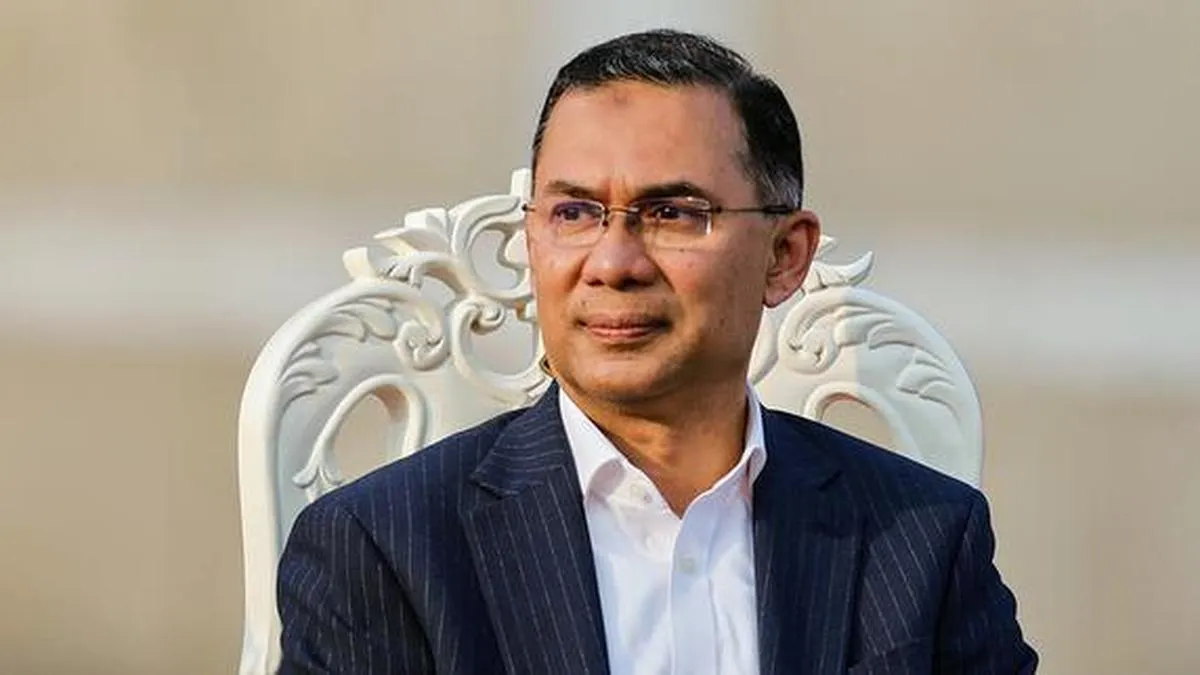
“We directed them to submit necessary documents; however they did not submit any of them, prompting us to take a decision to revoke their temporary licenses across Maharashtra,” stated Pratap Sarnaik, a key figure in the Maharashtra government. This statement underscores the recent decision made on March 9, 2026, to revoke the provisional bike taxi licenses for Uber, along with its competitors Ola and Rapido, due to significant regulatory violations.
The Maharashtra government had initially granted these provisional licenses in September 2025 under the Maharashtra E-Bike Taxi Rules, 2024, which mandate that all operations must utilize 100% electric vehicles. The licenses were intended to create employment opportunities for local youth while ensuring compliance with safety measures and fare transparency. However, the recent revocation highlights the challenges faced by these companies in adhering to the regulatory framework.
Complaints of harassment against women riders using bike taxi services have also contributed to the government’s decision. The state received multiple allegations, prompting officials to take a closer look at the operational practices of these companies. Sarnaik emphasized, “If they have not furnished the documents, their temporary licences must be revoked,” indicating that the lack of compliance with documentation requirements was a critical factor in the revocation.
This is not the first time bike taxi services have faced regulatory challenges in Maharashtra. The state had previously banned these services in January 2023, reflecting ongoing concerns about safety and operational standards. The current revocation marks the second instance of such a ban, further complicating the landscape for ride-sharing platforms in the region.
In addition to the revocation of bike taxi licenses, the Maharashtra government has suspended the issuance of new auto rickshaw permits as of the same date. This move is part of a broader strategy to manage urban traffic and address the increasing number of autorickshaws on the roads. Sarnaik noted, “The decision was taken in view of the growing number of autorickshaws and the pressure on urban traffic,” indicating a comprehensive approach to transportation regulation in the state.
Since the introduction of the E-Bike Taxi Rules, the transport department has taken action against 130 bike taxis, collecting fines exceeding Rs 33 lakh. This enforcement underscores the government’s commitment to ensuring that operators comply with established regulations, including driver codes and vehicle requirements.
Looking ahead, the Maharashtra government has indicated that the ban could be lifted if Uber and other companies submit the required documents and demonstrate strict compliance with the rules. Sarnaik remarked, “It is only temporary. If they follow our norms and the terms and conditions of the permits, we will give the permits again,” suggesting a potential pathway for these companies to regain their operational licenses.
As the situation develops, the future of Uber’s bike taxi services in Maharashtra remains uncertain. The state will continue to monitor compliance and address any ongoing concerns related to safety and regulatory adherence. Details remain unconfirmed regarding the specific steps Uber and its competitors will take in response to this latest regulatory action.