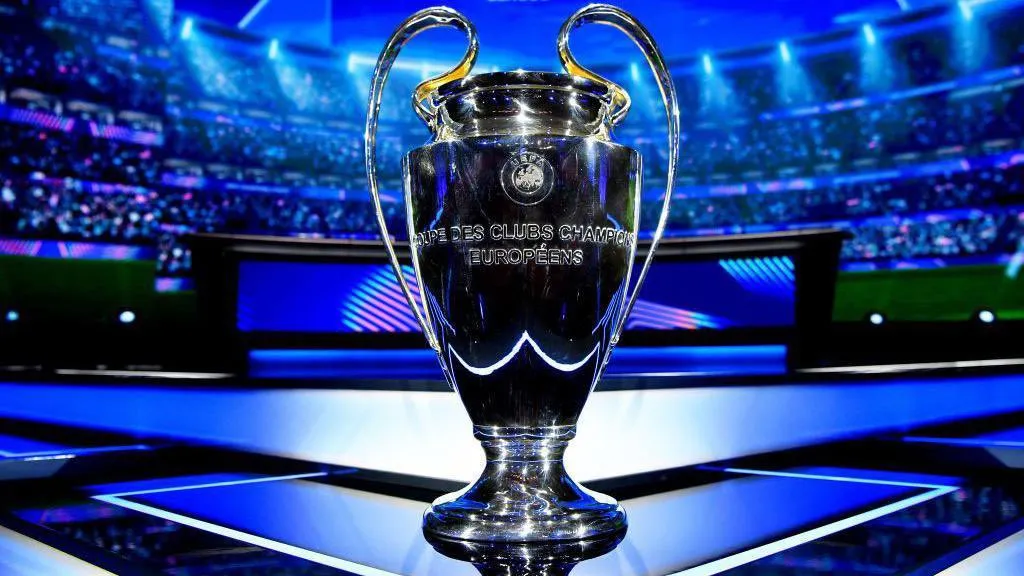
Current State of UCL Fixtures
As the UEFA Champions League progresses, the first leg matches of the last 16 teams have set the stage for intense competition. Arsenal, who entered the match with a perfect record in the tournament, faced Bayer Leverkusen and ended in a surprising 1-1 draw. This result marked a shift from their previous dominance in the group stage.
In contrast, Galatasaray secured a narrow victory over Liverpool, winning 1-0, while Newcastle also drew 1-1 with Barcelona. Atletico Madrid delivered a commanding performance, defeating Tottenham Hotspur 5-2, showcasing their offensive prowess.
Decisive Moments and Immediate Outcomes
Arsenal’s match against Bayer Leverkusen saw Kai Havertz score a late penalty, allowing them to equalize after falling behind. This draw, while disappointing for Arsenal, means they still hold a favorable position going into the return leg next week. An expert noted, “Arsenal will be pleased to have snatched a draw and go into next Tuesday’s return leg as favourites.”
Meanwhile, Galatasaray’s victory over Liverpool adds pressure on the English side as they prepare for the second leg. The loss means Liverpool must regroup and strategize effectively to overcome the deficit.
Broader Implications for the Teams
Newcastle’s draw against Barcelona keeps their hopes alive, but they will need to perform exceptionally in the second leg to advance. Atletico Madrid’s strong showing against Tottenham has positioned them as a formidable contender in the tournament.
Atalanta faced a significant setback, losing 1-6 to Bayern Munich, which raises questions about their ability to recover in the second leg. Similarly, Paris Saint-Germain’s 5-2 victory over Chelsea places them in a strong position heading into their return match.
Looking Ahead
The second legs of these fixtures are scheduled for March 17 and 18, 2026, promising more thrilling encounters as teams vie for a place in the quarter-finals. The UEFA Champions League final is set for May 30, 2026, in Budapest, Hungary, where the remaining teams will aim for glory.
As the tournament progresses, the stakes continue to rise, and teams must adapt to the challenges posed by their opponents. The outcomes of these first leg matches will undoubtedly influence strategies and morale as clubs prepare for their next encounters.