Concerns over jersey colour change
The decision to change the Indian hockey team’s jersey colour from its traditional blue to saffron has drawn criticism from prominent figures in Odisha and Indian hockey. Naveen Patnaik, former Odisha chief minister and president of the Biju Janata Dal (BJD), stated on Thursday that the change has hurt the emotions of sports fans. He expressed deep anguish over the alteration of the legendary colour of the team’s jersey.
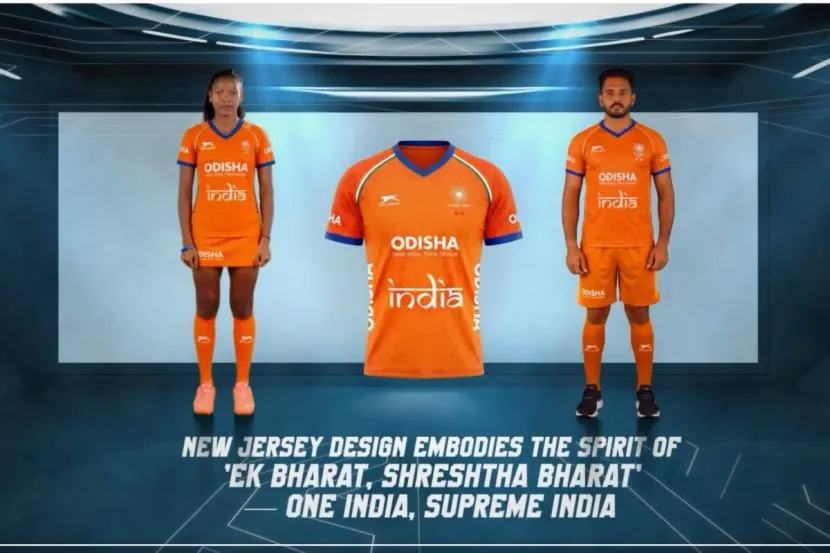
The Indian men’s and women’s hockey teams are scheduled to wear saffron jerseys instead of their customary blue kits at the upcoming FIH World Cup in the Netherlands and Belgium next month. Hockey India, in unveiling the new jersey on its social media platforms, explained that the design and colour are intended to “tell a story” and embody “India’s pride.” The federation further stated that saffron symbolises courage, sacrifice, and victory, and that the design, inspired by the Indian national flag and the rising sun, reflects new beginnings.
However, Patnaik highlighted that the blue jersey has been an integral part of Indian hockey for decades. He described the iconic shade of blue as more than just a colour, calling it an emotion linked to the nation’s sporting heritage. He noted that for many years, this colour has united the country in moments of hope, victory, defeat, and the pursuit of sporting excellence.
Political allegations and historical context
Patnaik, who played as a goalkeeper for his school hockey team, shared his personal connection to the sport, recalling how the nation has celebrated and stood proudly with the teams in blue. He mentioned that wearing the blue jersey, Indian teams have achieved Olympic medals, with the national anthem playing on the world stage. He further asserted that the blue jersey represents the country, deriving its colour from the blue chakra in the Indian national flag, making it a symbol of national pride and identity that belongs to every Indian.
He also recalled that the Odisha government became the sponsor of the Indian hockey team approximately a decade ago, during his tenure as chief minister, at a time when the national teams were struggling to secure sponsors. Patnaik stated that Odisha made history by being the first and only state to support the national teams and the sport. He added that every Odia globally was proud of the state’s contribution to national hockey, especially after the men’s team won an Olympic medal after 41 long years.
Patnaik criticised the change, stating that it should not occur simply because the government in Odisha changed, labelling it as “petty politics of the worst kind.” He drew parallels between India’s blue jersey and other iconic football shirts, comparing it to the iconic stripes of Argentina and the yellow jersey of Brazil. He argued that the blue jersey is etched in the collective memory of the nation and that any change to this colour is a crude attempt to erase a priceless sporting legacy. He concluded that national symbols are meant to unite, not divide.
Patnaik claimed he was informed that the decision to change the jersey colour was made under pressure from the BJP government in Odisha. While acknowledging that those in authority might deny it, he pointed out that for the past two years, there has been an observable obsession within the government with changing the colours of buildings, buses, and even bridges in Odisha. He alleged that changing colours had become a primary focus for the state government and condemned what he described as an attempt by BJP Odisha to politicise a national sport like hockey, stating it has deeply hurt the sentiments of numerous sports lovers across the country and the pride with which Odisha has supported national hockey.
Former captain’s view on sports development
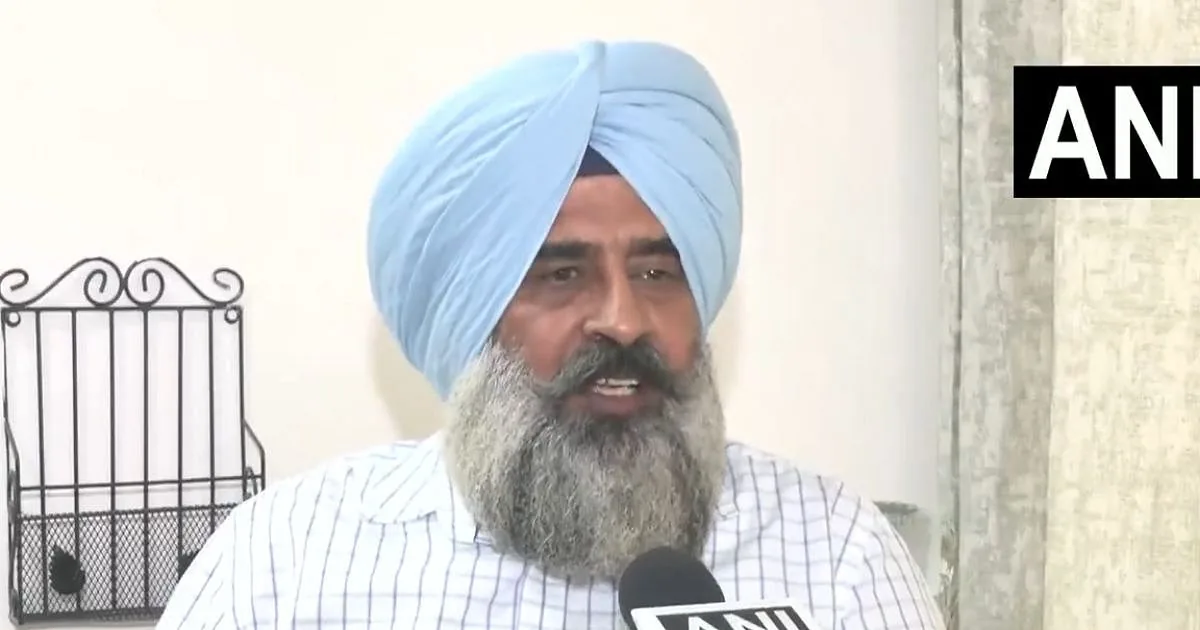
In a related development, Pargat Singh, a Congress MLA and former India Hockey Captain, also strongly criticised the change to the saffron jersey. He alleged that the move reflects the BJP’s political agenda to ‘saffronise’ everything and divert attention from genuine sports development. Singh argued that the government’s focus should be on enhancing sports infrastructure and providing improved facilities for athletes, rather than altering jersey colours.
Speaking to ANI, Pargat Singh reiterated that the primary colour of the Indian hockey team’s jersey has always been blue, as far back as he could recall from his playing days. He suggested that the change reflects a mindset to assign a specific colour, saffron, to everything. He questioned what this change would achieve for the country and stated that the BJP’s mindset is clearly visible through this decision.
Singh urged the government to move past what he termed a “petty mindset” and instead concentrate on more critical work for the country, such as promoting players, offering more facilities, expanding the sports base, and fostering overall sports development. He emphasised that sports should remain free from political and social divisions, highlighting its role in promoting brotherhood. He appealed to the BJP to spare sports from such ‘saffronisation,’ asserting that sports transcend religion, caste, and political parties, conveying a message of brotherhood globally, and fostering a sportsman spirit.
Other notable figures, including former captain Viren Rasquinha and Congress MP Priyanka Gandhi Vadra, have also questioned the decision regarding the jersey colour. The controversy highlights a broader discussion about the intersection of politics and sports in India, particularly concerning national symbols and team identities. The Indian men’s and women’s hockey teams are set to compete in the FIH World Cup in the Netherlands and Belgium next month.
Source: timesofindia.indiatimes.com