Samson’s shift in mindset
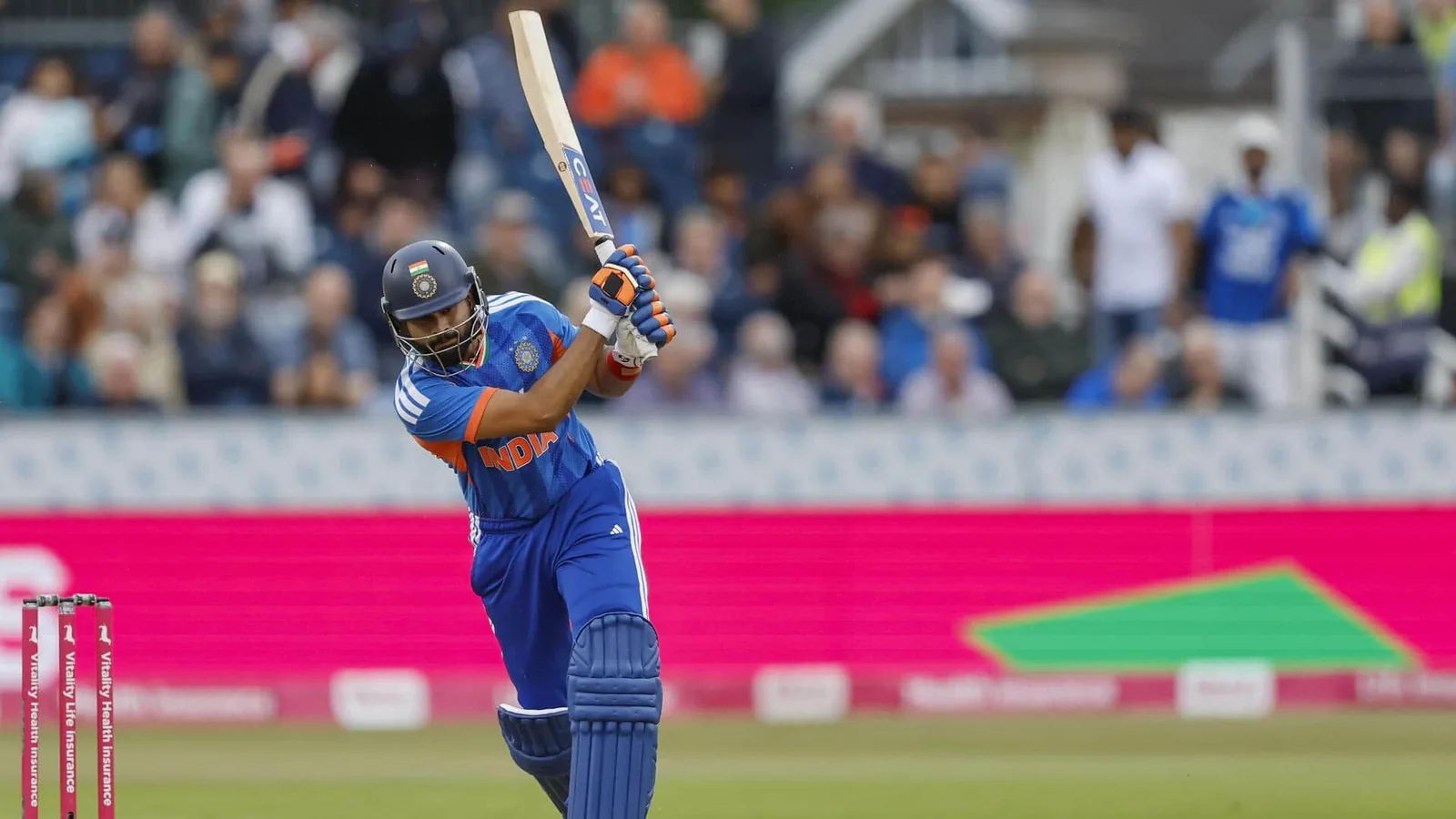
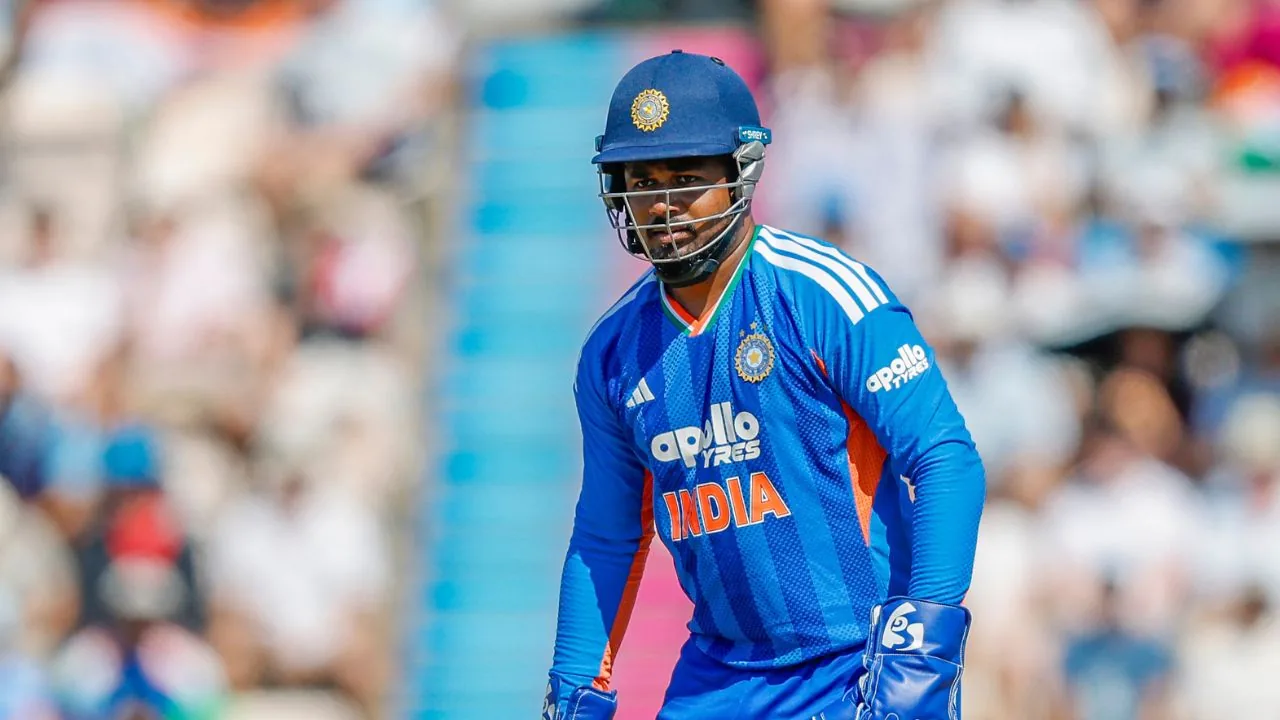
Sanju Samson, the India wicketkeeper-batter, has discussed his decision to step away from what he describes as cricket’s “rat race.” This shift in perspective occurred before the 2026 T20 World Cup, a tournament where he emerged as India’s leading run-scorer with 321 runs and was named Player of the Tournament. His journey involved embracing a new approach to his game, focusing on enjoyment and playing on his own terms.
Samson reflected on the influence of Virat Kohli’s advice regarding fitness and lifestyle. During an India camp, Kohli’s disciplined work ethic left a significant impression. Samson recalled asking Kohli for guidance, to which Kohli emphasised the importance of maintaining a specific lifestyle to succeed as an international cricketer. This advice, though initially followed, was not the primary catalyst for Samson’s career transformation.
The pivotal change for Samson came when he found himself behind Ishan Kishan in India’s selection hierarchy. Instead of dwelling on selection concerns, he chose to focus on aspects within his control. This led to his decision to play without the pressure of constant competition, stating, “No one will tell me how to bat or what to do. Sanju will decide for Sanju.” This newfound freedom, he believes, allowed him to rediscover his passion for batting.
Key performances and self-belief
Samson’s changed mindset was evident in his performances during the T20 World Cup. He delivered successive half-centuries from a crucial match against the West Indies through to the final against New Zealand, contributing significantly to India’s title victory. His self-belief was particularly highlighted during the semi-final against England, where he faced pacer Jofra Archer, a bowler who had dismissed him multiple times previously.
Despite external reminders of his past struggles against Archer, Samson maintained his confidence. He scored 38 runs off 14 balls against Archer, including three fours and four sixes. His overall innings of 89 runs off 42 balls helped India reach a total of 253/7. England ultimately fell seven runs short, despite a counter-attacking century from Jacob Bethell. Samson attributed this performance to the self-validation gained from his earlier knock against the West Indies, which instilled a strong sense of certainty in his abilities.
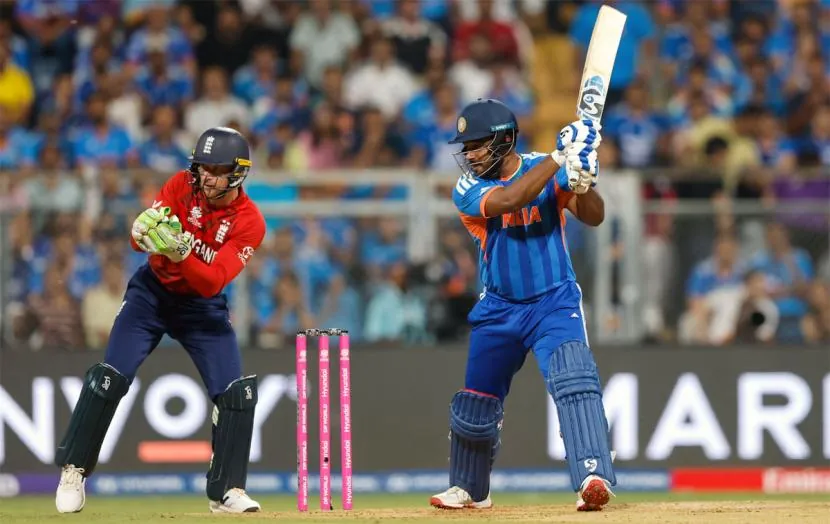
In the final against New Zealand, Samson embraced the responsibility of being the main run-scorer. He consciously reminded himself to stay focused and finish the job for his country. This confidence also allowed him to exercise patience, even facing four dot balls in an over against Mitchell Santner in the final. He explained that in the past, he might have panicked and attempted an aggressive shot, but his recent experiences taught him the value of taking time and targeting specific bowlers effectively.
Looking ahead
Samson also acknowledged the contributions of his teammates, including Ishan Kishan and Jasprit Bumrah, in India’s successful campaign. He described Bumrah as a “cheat code” whose early contributions were crucial in both the semi-final and the final. He expressed his happiness at being able to contribute to the team’s success.
Moving forward, Samson stated that he no longer concerns himself with long-term plans, even with another T20 World Cup scheduled for 2028. He highlighted that he did not anticipate playing in the 2026 World Cup after not being part of the squad following the 2024 edition. His current philosophy is to enjoy the game, be a supportive teammate, and play in a way that aligns with his personal approach. He believes that if he continues to play well and the team requires his services, opportunities will naturally arise. Regardless of future selections, he expressed gratitude for his achievements, particularly his Player of the Tournament award, which he considers an indelible accomplishment.
Source: m.rediff.com