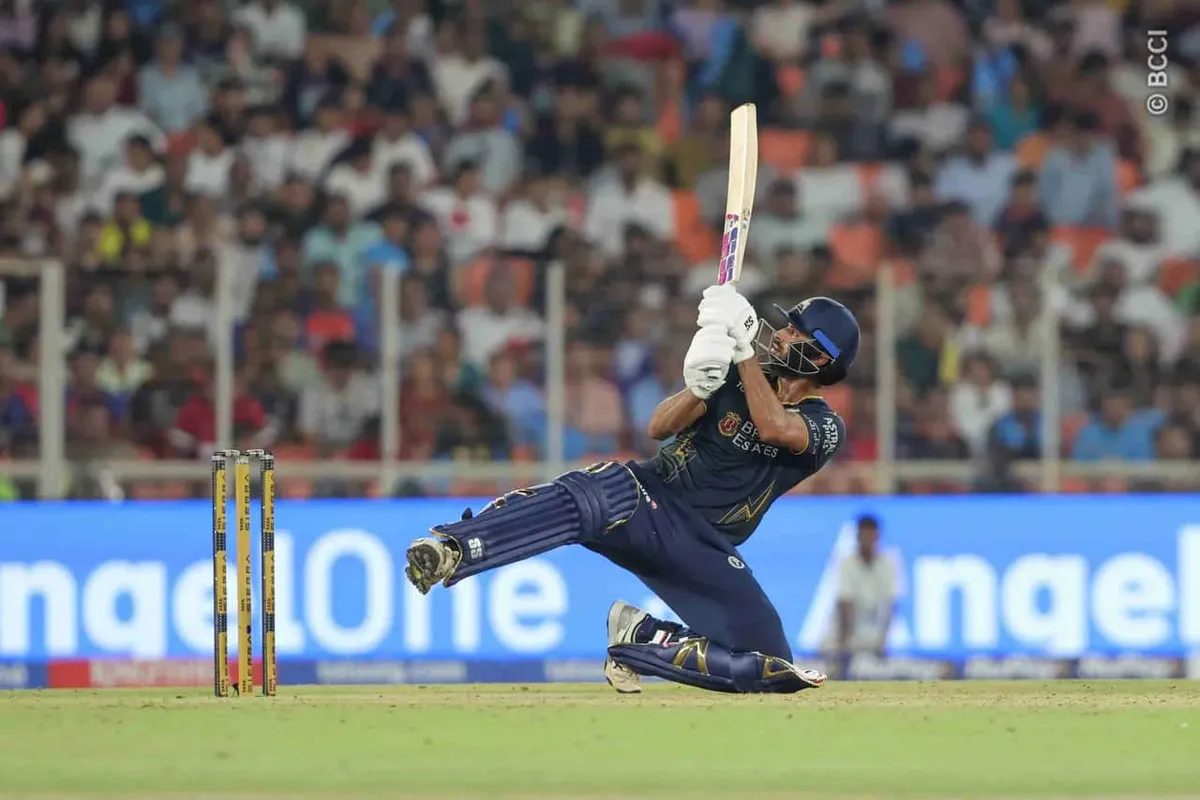
VVS Laxman, who heads the Board of Control for Cricket in India’s Centre of Excellence (CoE), has lauded cricketer Virat Kohli as an exemplary professional and a significant role model for aspiring players. Speaking in Bengaluru on Sunday, Laxman highlighted Kohli’s consistent dedication to high standards, which he believes inspires many young cricketers to emulate him.
Laxman emphasised that Kohli’s commitment to excellence is evident every time he steps onto the field, regardless of the team he represents. This relentless pursuit of high standards is what makes Kohli such an influential figure, according to Laxman.
Kohli’s dedication and fitness standards
Kohli’s journey to becoming one of cricket’s fittest athletes is rooted in a pivotal moment during India’s 2011 tour of Australia. Former cricketer Sachin Tendulkar recounted an instance where Kohli, after a substantial meal at a Thai restaurant in Canberra, expressed his resolve to focus seriously on his fitness. Tendulkar recalled Kohli stating, “Paaji, bahut ho gaya, ab fitness par dhyan dena hai (Enough is enough. I need to start taking my fitness seriously).”
This commitment led to a significant transformation in Kohli’s diet and training regimen. Approximately 90 per cent of his current diet consists of steamed or boiled food, seasoned simply with salt, pepper, and lime, avoiding masala. In recent years, Kohli has also adopted a fully plant-based diet, replacing items like grilled chicken and red meat with lentils, quinoa, vegetables, and protein shakes.
His gym routine focuses on mobility and functional movement rather than just raw strength. Kohli’s training sessions involve fast, explosive movements such as sprints, HIIT drills, plyometric jumps, and strength routines tailored to the demands of batting and fielding. He has publicly stated that “Mobility is key,” underscoring the importance of flexibility and good movement alongside strength.
The discipline extends to his daily routine, with former cricketer Sandeep Patil sharing an anecdote about Kohli performing yoga at 5 AM, followed by two gym sessions, and then scoring a double hundred on the same day. Kohli himself has acknowledged that maintaining strict nutrition is a challenge due to personal cravings and mental discipline, but he has reached a point where he can consume the same meal multiple times a day without issue.
Addressing injury concerns and CoE’s role
During his address, Laxman also defended the BCCI Centre of Excellence amidst scrutiny regarding India’s increasing injury list, particularly before the Sri Lanka Test series. He stated that injuries are an unavoidable aspect of a cricketer’s career and that the primary focus should be on careful monitoring and management of players, rather than assigning blame to the CoE.
Laxman clarified that the CoE’s role extends beyond just rehabilitation; it aims to support cricketers in achieving overall excellence. He noted that several key players, including Jasprit Bumrah, Sai Sudharsan, Harshit Rana, Nitish Kumar Reddy, and Washington Sundar, are currently dealing with fitness issues.
The CoE is also facing challenges in staffing key positions, specifically the Head of Sports Science and Medicine (SSM). Laxman mentioned that the BCCI has encountered difficulties in finding a suitable candidate for this role. He explained that after Nitin Patel left, efforts to fill the position were unsuccessful, with Andrew Leipus backing out due to family reasons. Laxman emphasised that the role requires not only stature and experience but also a deep understanding of Indian cricketers and their specific needs.
Kohli’s approach to fitness and personal discipline, as highlighted by Laxman, provides a strong example at a time when the BCCI’s sports science setup is under examination. His journey underscores that personal dedication and a long-term approach to physical well-being are crucial for sustained performance in cricket.
Source: m.rediff.com