Before March 15, 2025, the Indian Rupee was relatively stable, but expectations shifted dramatically as geopolitical tensions in the Middle East escalated. The situation was exacerbated by rising oil prices, which significantly impacted India’s import costs, given that the country imports approximately 85% of its crude oil from affected regions.
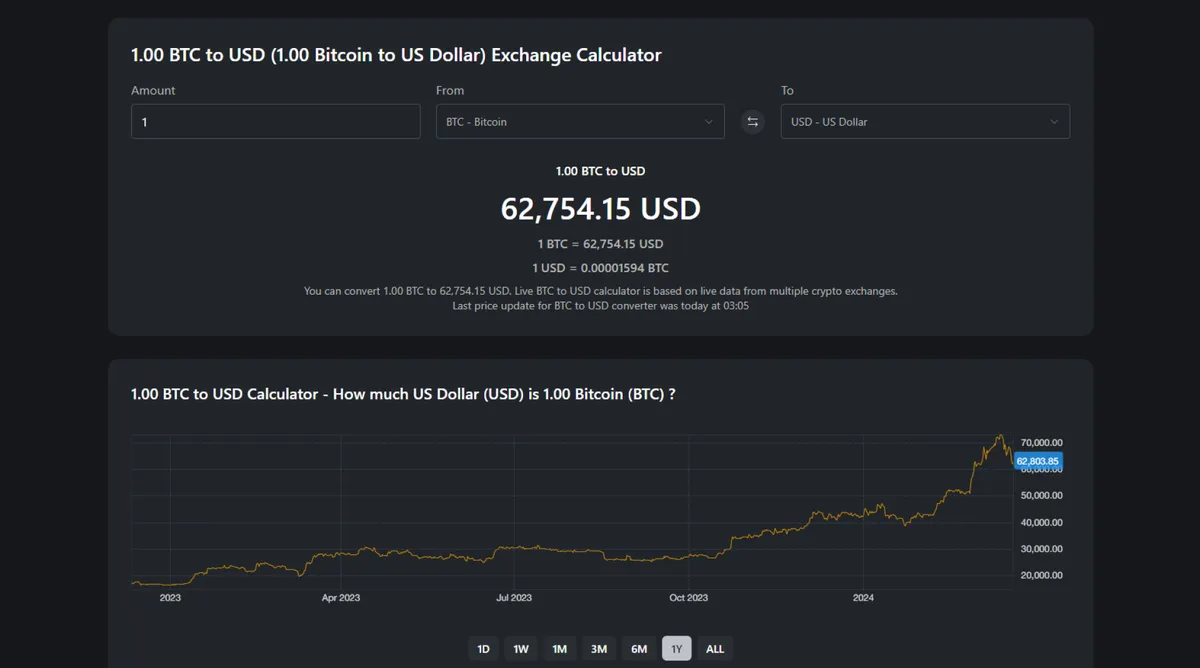
On March 15, 2025, the Indian Rupee breached the 94-per-dollar mark for the first time, with the USD/INR pair reaching 85.47 during trading. This decisive moment marked a significant depreciation of the Rupee, which has fallen about 3% since the onset of the Iran war.
The immediate effects of this depreciation were felt across various sectors. The Reserve Bank of India intervened in currency markets to stabilize the situation, but the impact was palpable. Foreign institutional investors sold equities worth Rs 5,518.39 crore on a net basis on the same day, reflecting a lack of confidence in the Indian market.
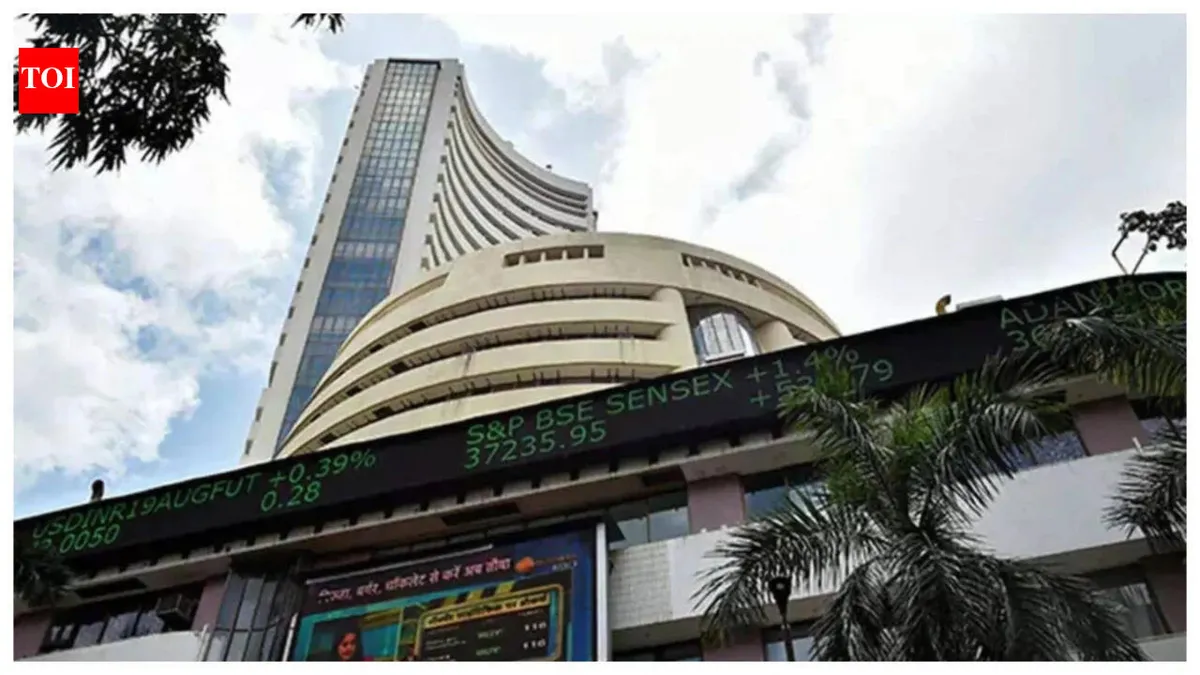
Additionally, India’s foreign exchange reserves fell by $7.052 billion to $709.759 billion in the week ending March 13, 2025. The Sensex, a key indicator of the Indian stock market, crashed by 1,836.57 points, or 2.46%, to 72,696.39, further highlighting the turmoil in the financial markets.
Brent crude futures spiked above $105 per barrel, inflating India’s import bill and contributing to the overall economic strain. The dollar index also rose about 0.3% to 99.9, reflecting a growing safe-haven demand as investors sought stability amid uncertainty.
Experts have weighed in on the situation. Anuj Choudhary noted, “We expect the rupee to trade with a negative bias as deteriorating global sentiments and geopolitical tensions may keep the rupee under pressure.” Similarly, a report from Standard Chartered indicated that the Indian Rupee faces triple pressure from geopolitics, commodities, and capital flows.
ING analysts commented, “This is an ideal environment for the dollar, especially against higher beta currencies,” underscoring the challenges faced by the Rupee in the current climate.
As the Reserve Bank of India employs multiple policy tools to address the situation, the future remains uncertain. The ongoing geopolitical tensions and their impact on global markets will likely continue to influence the USD INR exchange rate.
Details remain unconfirmed regarding the long-term implications of these developments, but the immediate effects are clear as the Indian economy navigates this turbulent period.