Overview of the Campaign
The US government has initiated a social media campaign aimed at promoting military operations against Iran, utilizing videos video that combine military footage with clips inspired by popular video games and films. This initiative is part of a broader military operation known as Operation Epic Fury, which commenced with a US-Israeli bombing campaign on February 28.
Engagement and Reach
One notable video styled like gameplay from the popular game Call of Duty has garnered significant attention, amassing over 58 million views. This approach targets younger audiences who are familiar with video games and internet memes, attempting to engage them in the ongoing conflict.
Content and Themes
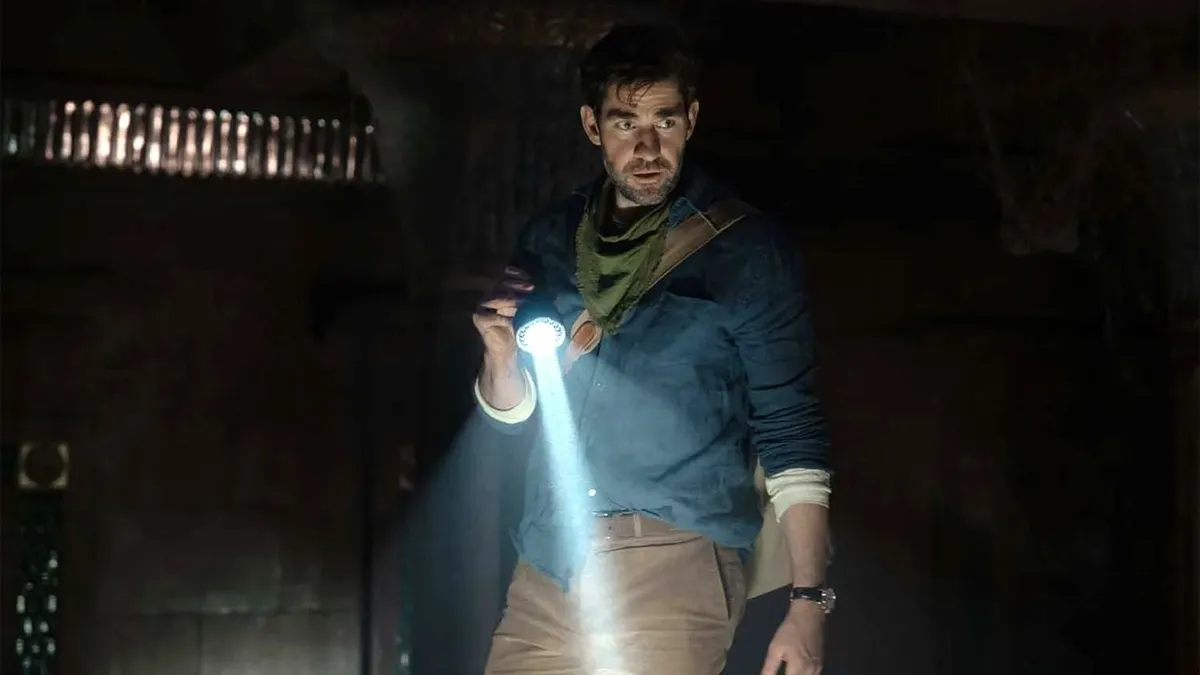
The campaign features various elements from popular culture, including references to characters like SpongeBob SquarePants and iconic films such as Iron Man, Top Gun, Braveheart, and Gladiator. These cultural touchstones are intended to resonate with a demographic that consumes content primarily through social media.
Criticism and Defense
Despite its reach, the campaign has faced criticism for trivializing the human cost of war. Critics argue that the use of entertainment elements in military communications undermines the seriousness of the conflict. In response, the White House has defended the campaign, asserting that it highlights the successes of US military operations.
Military Leadership’s Stance
While the campaign employs a more casual tone in its outreach, military leadership has maintained a more sober approach when discussing the conflict publicly. This juxtaposition raises questions about the messaging strategy and its implications for public perception.
Future Communications
According to Anna Kelly, the administration plans to continue sharing examples of Iranian missile systems, production facilities, and military assets being destroyed during the conflict. This strategy appears to promote the conflict through social media after military operations have already commenced.
Expert Opinions
James Glassman emphasized the importance of communication during wartime, stating, “Communication during wartime should focus on explaining the reasons behind military action.” This perspective suggests a need for a more balanced approach to military communications.
The current strategy, as noted by Kristopher Purcell, seems to promote the conflict through social media after operations have already started. As the campaign evolves, its effectiveness and impact on public perception will continue to be closely monitored.