Weather Patna: Air Pollution Crisis Intensifies
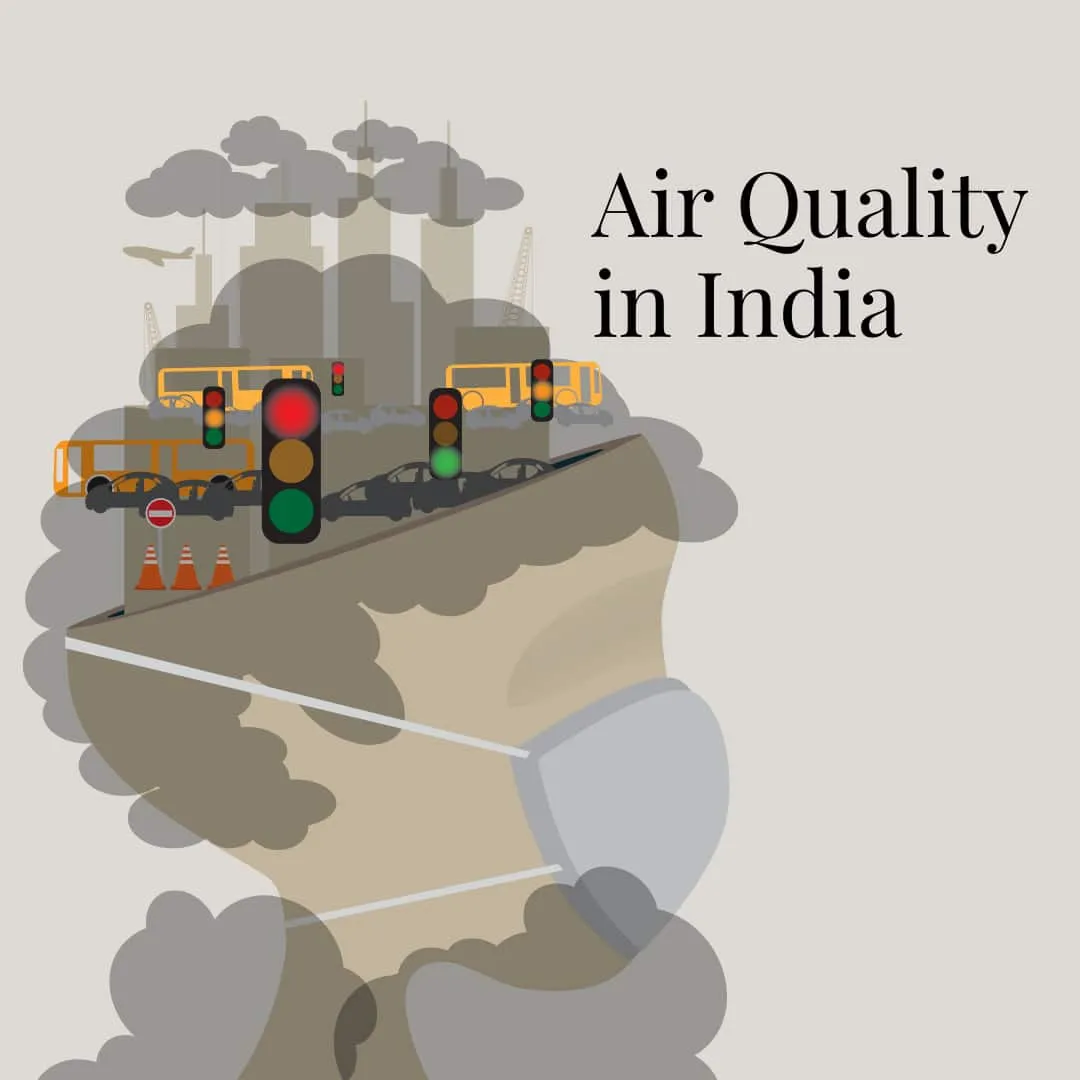
Patna has been confirmed as the second-most polluted city in India, following Delhi, during the 2024-25 period, with persistently high PM2.5 levels. This alarming trend highlights the ongoing environmental crisis affecting the Indo-Gangetic Plain.
According to a recent study by Climate Trends, Delhi recorded the highest annual PM2.5 levels and extended periods of ‘severe’ air quality, leading to Stage III restrictions for 53 days and Stage IV measures for 15 days. Patna’s situation is similarly dire, with atmospheric stagnation contributing to its pollution crisis.
Meteorological conditions play a significant role in exacerbating air quality issues. Research indicates that these conditions can shift PM2.5 levels by up to 40%, even without changes in emissions. In both Delhi and Patna, over 70% of days fall under low-wind, high-humidity meteorological regimes, which are conducive to high pollution levels.
Low wind speeds and high humidity are key factors that intensify PM2.5 concentrations during the winter months. The Indo-Gangetic Plain, where both cities are located, is particularly vulnerable due to its geography and seasonal weather patterns.
“Delhi continues to face the most severe pollution crisis nationally with the highest annual average PM2.5 levels and the longest stretches of ‘severe’ or ’emergency’ category air days, driven by local emissions and regional factors,” stated Climate Trends. This statement underscores the gravity of the situation not only in Delhi but also in Patna.
As Patna grapples with its air quality challenges, observers are concerned about the long-term health implications for residents. The persistent high PM2.5 levels indicate an intensifying crisis in the eastern Indo-Gangetic Plain, which requires urgent attention and action.
Details remain unconfirmed regarding specific measures that may be implemented to address the pollution crisis in Patna. However, the need for effective strategies to combat air quality issues is increasingly urgent.
In summary, the weather in Patna is not just a matter of climate; it is deeply intertwined with the air pollution crisis that poses significant health risks to its residents. The situation calls for immediate and sustained efforts to improve air quality and protect public health.