Weather Developments in Srinagar
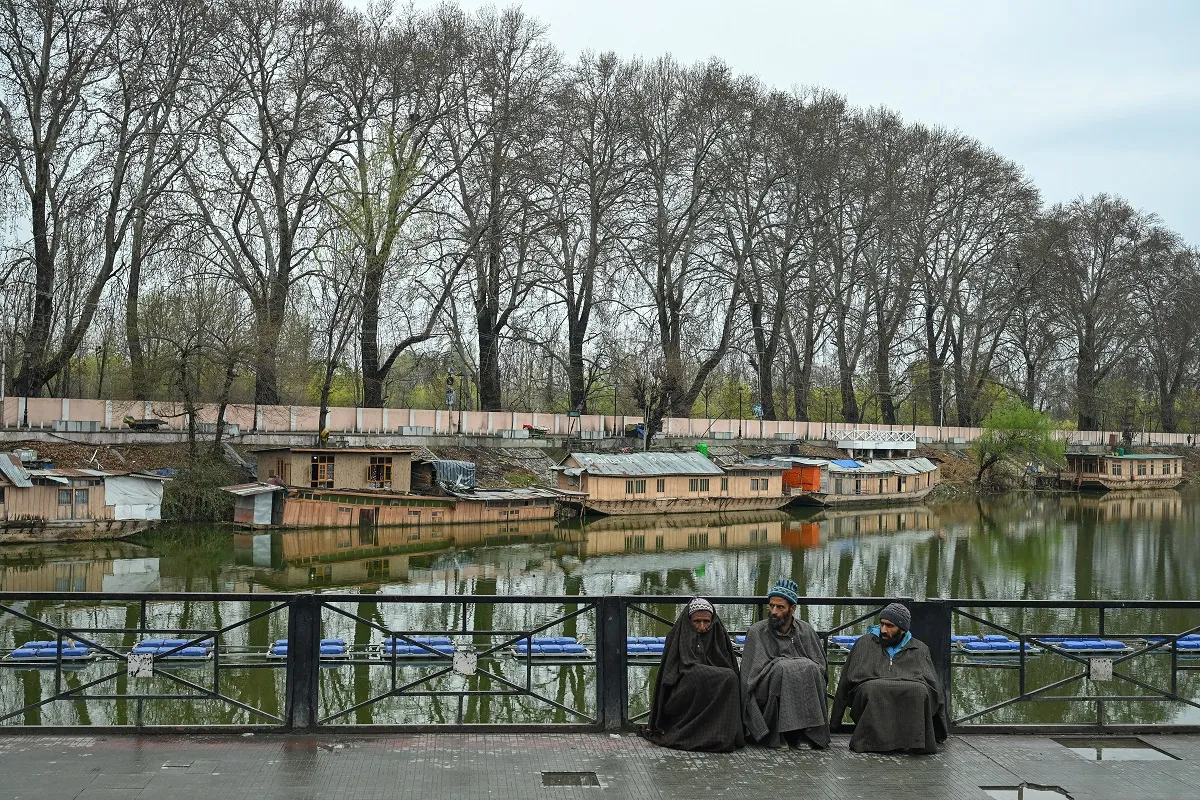
On March 11, 2026, the weather in Srinagar, Kashmir, took a notable turn as the region experienced fresh snowfall in its higher reaches, while several plains saw light to moderate rain. This shift in weather conditions comes after a prolonged period of below-average precipitation during the winter months.
In the 24 hours leading up to 8:30 am on March 11, Kupwara received approximately 6.4 mm of rain, while Gulmarg recorded 2.8 mm. Srinagar itself registered around 1.2 mm of precipitation. These figures indicate a welcome change for the region, which has faced a significant precipitation deficit over the winter season.
Temperature Trends
Alongside the rainfall, temperatures in Srinagar have also shown notable variations. The maximum temperature reached 17.6 degrees Celsius, which is about 2.9 degrees above the normal for this time of year. The minimum temperature settled at 10.5 degrees Celsius, approximately 7.2 degrees higher than the seasonal average. This rise in temperature is indicative of the erratic weather patterns currently affecting the region.
In contrast, Gulmarg recorded the lowest minimum temperature in the Kashmir division at 2.4 degrees Celsius. Meanwhile, Jammu city experienced a maximum temperature of 31.2 degrees Celsius, nearly 5.8 degrees above normal, highlighting the diverse climatic conditions across the region.
Precipitation Deficits and Future Predictions
The winter of 2025-2026 has been particularly challenging for Kashmir, ending with a 65 percent precipitation deficit. This marks the seventh consecutive winter season in which the region has recorded below-average rainfall, raising concerns about water availability and agricultural impacts.
Significance of Recent Weather Patterns
The recent weather changes in Srinagar and the surrounding areas are significant for several reasons. For local farmers, the light to moderate rain can provide much-needed moisture for crops, especially after a winter marked by a substantial precipitation deficit. However, the erratic nature of the weather also poses challenges, as it can lead to unpredictable growing conditions.
As the region navigates these weather fluctuations, the implications for daily life, agriculture, and water resources will be closely monitored. The ongoing erratic weather patterns underscore the importance of preparedness and adaptability in the face of changing climatic conditions.