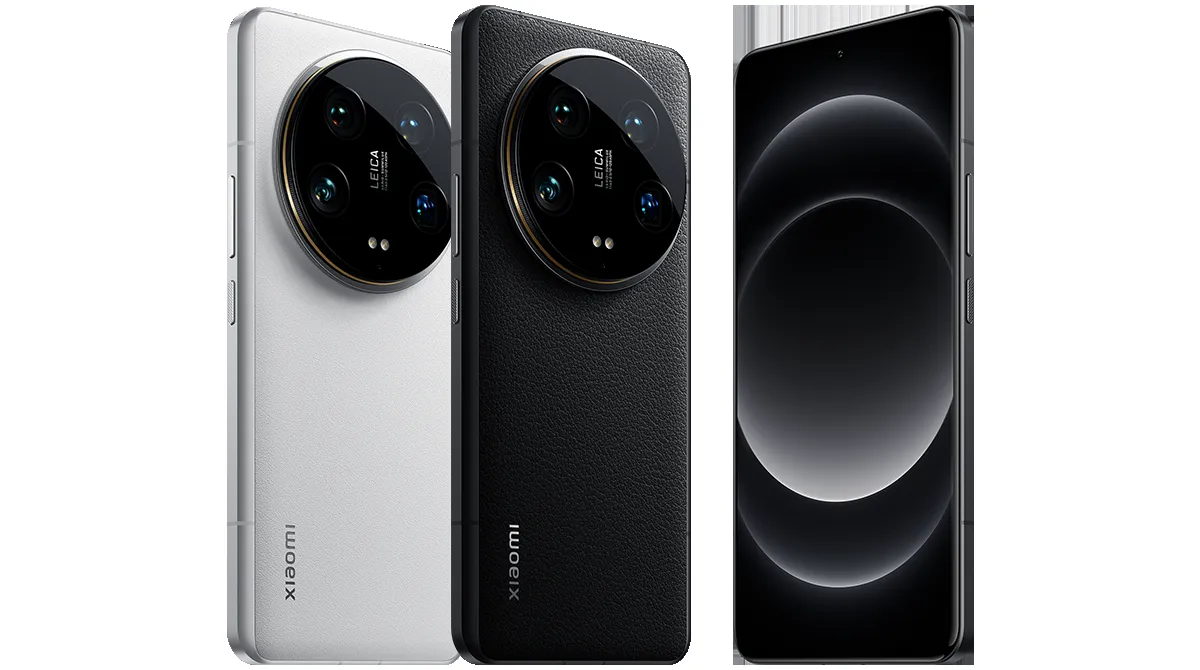
Xiaomi has launched the Xiaomi 17 Series in India, unveiling two flagship smartphones — the Xiaomi 17 and the Xiaomi 17 Ultra. The Xiaomi 17 Ultra is positioned as a high-end device, emphasizing its advanced camera capabilities and robust specifications.
New Developments
The Xiaomi 17 Ultra features a 6.9 inch LTPO AMOLED display with a 120 Hz refresh rate and an impressive 3,500 nits peak brightness. Weighing in at 218.4 grams, it also boasts an IP68 rating for protection against dust and moisture.
Powering the device is a substantial 6,000 mAh battery, which supports 90W wired charging and 50W wireless charging. This combination is designed to meet the demands of users seeking high performance and longevity.
In terms of photography, the Xiaomi 17 Ultra is equipped with a 1-inch LOFIC main camera sensor, a 50 MP main camera, a 200 MP periscope telephoto lens, and a 50 MP ultrawide lens. This setup aims to enhance the smartphone photography experience significantly.
Market Positioning
The Xiaomi 17 Ultra is priced at ₹1,29,999, while its counterpart, the Xiaomi 17, starts at ₹89,999. Both models will be available starting March 18, 2026, and run on Xiaomi HyperOS 3.5 out of the box.
Sandeep Singh Arora commented, “Xiaomi 17 delivers a well-rounded flagship experience in a compact form factor, while Xiaomi 17 Ultra pushes the boundaries of smartphone photography with innovations like LOFIC sensor technology and continuous optical zoom.” This statement highlights the brand’s commitment to innovation in mobile technology.
Additionally, Xiaomi is promoting a ‘Never Run Out’ offer where the 512GB model of the Xiaomi 17 Ultra will be priced the same as the 256GB variant during the launch period, making it an attractive option for consumers.
Observers note that the introduction of the Xiaomi 17 Ultra could significantly impact the premium smartphone market in India, especially with its advanced features and competitive pricing strategy.
Details remain unconfirmed regarding the long-term market performance and consumer reception of these new models, but initial reactions suggest a positive outlook.