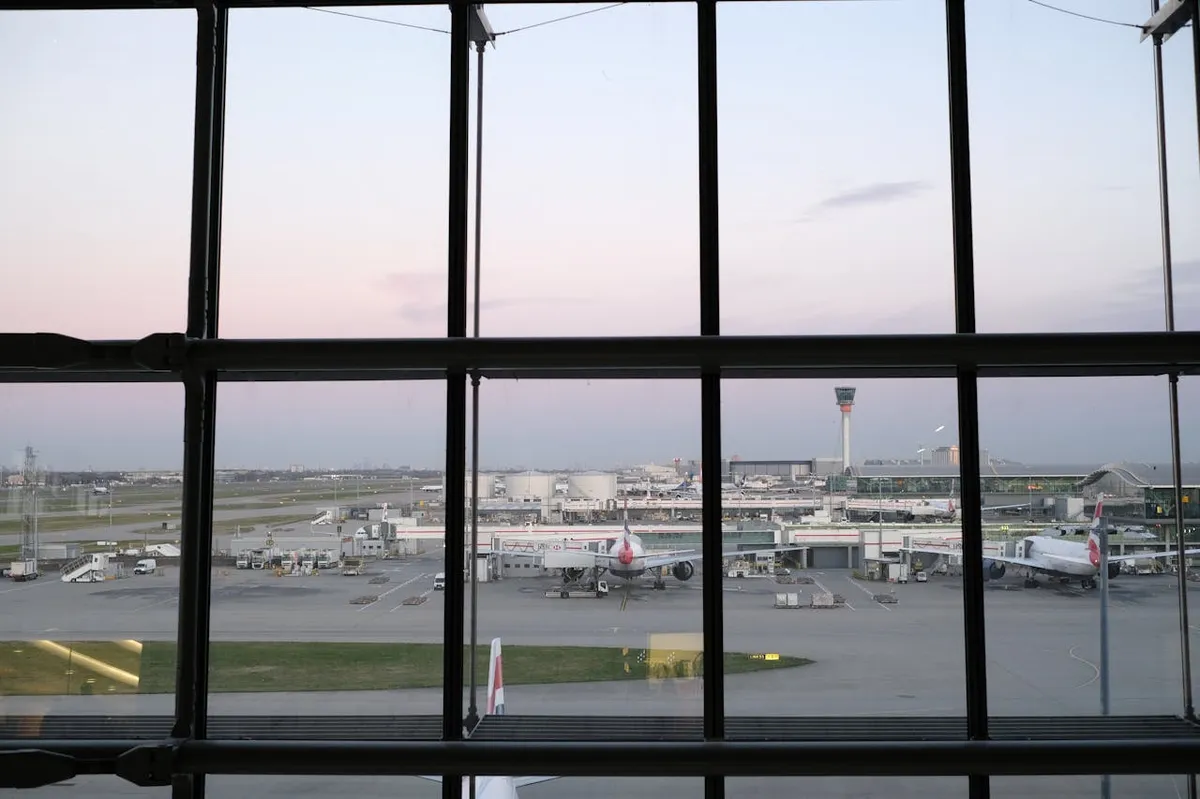
On April 12, Asia experienced significant flight disruptions, with 445 cancellations and 3,839 delays reported across major international hubs. The chaos impacted over 200,000 passengers, stranding many and leading to extensive rebooking issues.
Major international hubs including Tokyo, Beijing, Jakarta, Jeddah, and Dubai were severely affected. Among the airlines, China Eastern Airlines faced the brunt of the cancellations, while Batik Air struggled with operational challenges at Jakarta due to high-utilization schedules.
Indian airline SpiceJet reported widespread cancellations that disrupted connections throughout the Indian subcontinent. Meanwhile, ANA Wings absorbed significant delays at Tokyo’s congested terminals, contributing to the overall operational chaos.
Passengers faced extended layovers, with many hotels near major Asian hubs selling out quickly as travelers sought accommodations during the disruptions. The average delay duration exceeded 180 minutes, with some flights experiencing delays of over 8 hours.
Airlines indicated that it would take between 48 to 72 hours to clear the backlog of passengers and aircraft resulting from the disruptions. The peak disruption hours were noted between 08:00 and 22:00, further complicating travel plans.
Underlying factors contributing to the operational chaos included geopolitical tensions and airspace constraints, which have forced European-Asia routes into extended detours. This situation has drained aircraft availability and crew rotations, exacerbating the existing strain on airline operations.
The Asia flight chaos on April 12 reflected cumulative operational stress from elevated fuel costs, crew shortages, and constrained airspace. Observers note that the recovery trajectory of the airline network remains uncertain, as disruptions could recur weekly until structural conditions improve. Details remain unconfirmed.