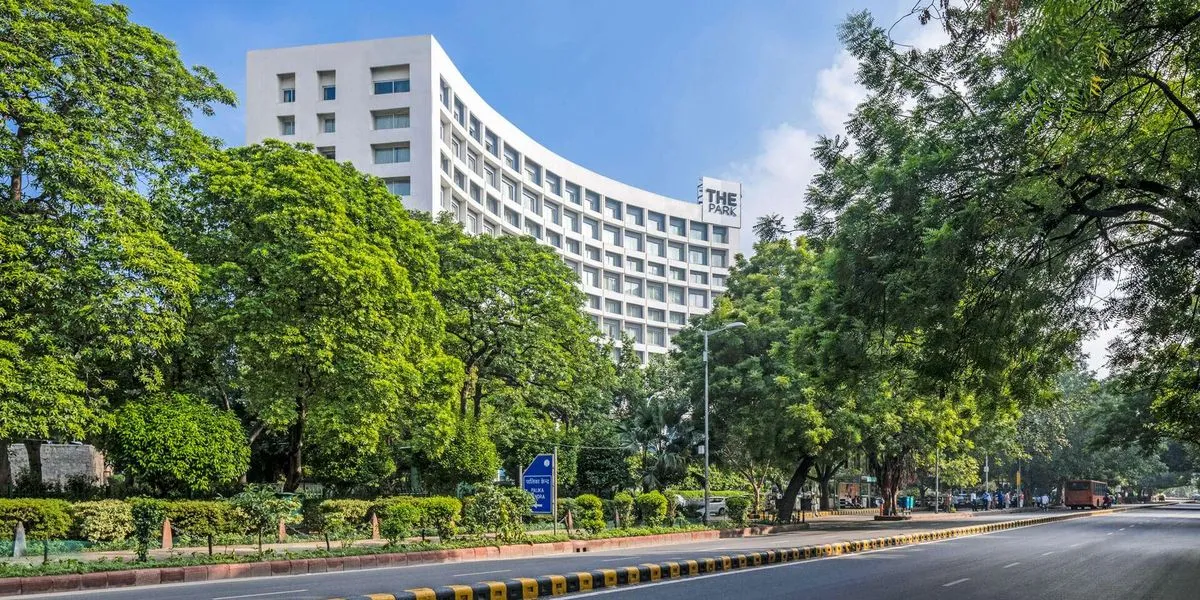
On March 31, 2026, the Apeejay Surrendra Park Hotels Limited (ASPHL) announced the launch of three new hotels in India’s leisure destinations, including the much-anticipated Zone by The Park Darjeeling. This development marks ASPHL’s strategic entry into the picturesque hill station of Darjeeling, West Bengal, known for its stunning landscapes and rich cultural heritage.
Zone by The Park Darjeeling is part of a broader initiative by ASPHL to diversify its portfolio and cater to the growing demand for quality accommodation in popular tourist spots. Vikas Ahluwalia, a representative of ASPHL, emphasized the significance of this launch, stating, “The simultaneous launch of these three hotels underscores our commitment to growth and the diversification of our portfolio.” This move is expected to enhance the hospitality landscape in Darjeeling, which has long been a favored destination for both domestic and international travelers.
The combined population of Darjeeling, Kurseong, and Kalimpong stands at approximately 0.875 million, according to the 2011 census. This demographic factor plays a crucial role in the region’s economic dynamics, particularly as the hospitality sector continues to expand. The influx of tourists not only boosts local businesses but also creates employment opportunities for residents.
As the political landscape in Darjeeling evolves, the upcoming elections are shaping the discourse among local parties. The ruling Trinamool Congress (TMC) has earmarked three seats for its ally, the Bharatiya Gorkha Prajatantrik Morcha (BGPM), while the Bharatiya Janata Party (BJP) has maintained a stronghold on the Darjeeling Lok Sabha seat, winning it four times consecutively since 2009. This ongoing political rivalry could influence the region’s development trajectory, including its tourism and hospitality sectors.
Local leaders are vocal about their expectations from the upcoming elections. Ruden Sada Lepcha, the incumbent MLA defending his Kalimpong seat as a BGPM candidate, expressed the sentiment of the electorate, stating, “People of Kalimpong will vote for development as they are tired of the promises BJP has been making since 2009.” This reflects a growing desire for tangible progress and accountability from political representatives.
In contrast, Anit Thapa, the leader of the BGPM, criticized the BJP’s claims regarding the protection of the Gorkha identity, urging voters to prioritize development over political rhetoric. He remarked, “We are asking people to vote for development. The BJP has been fooling the Gorkhas since 2009 by claiming it wants to protect the region’s identity.” Such statements highlight the critical intersection of politics and development in the region, particularly as new investments like the Zone by The Park Darjeeling emerge.
Moreover, issues such as corruption within the Gorkhaland Territorial Administration (GTA) have surfaced as key concerns among voters. Sonam Lama, a local political figure, pointed out that “corruption in the GTA administration is a key issue. People know that only BJP can ensure good governance.” This sentiment underscores the complexities of local governance and its impact on the community’s trust in political institutions.
As of now, the launch of Zone by The Park Darjeeling stands as a significant milestone for ASPHL and the local economy, promising to attract more visitors to the region. The interplay between political developments and economic growth will be crucial in shaping the future of Darjeeling, as stakeholders from various sectors prepare for the upcoming electoral battle and its implications for the community.