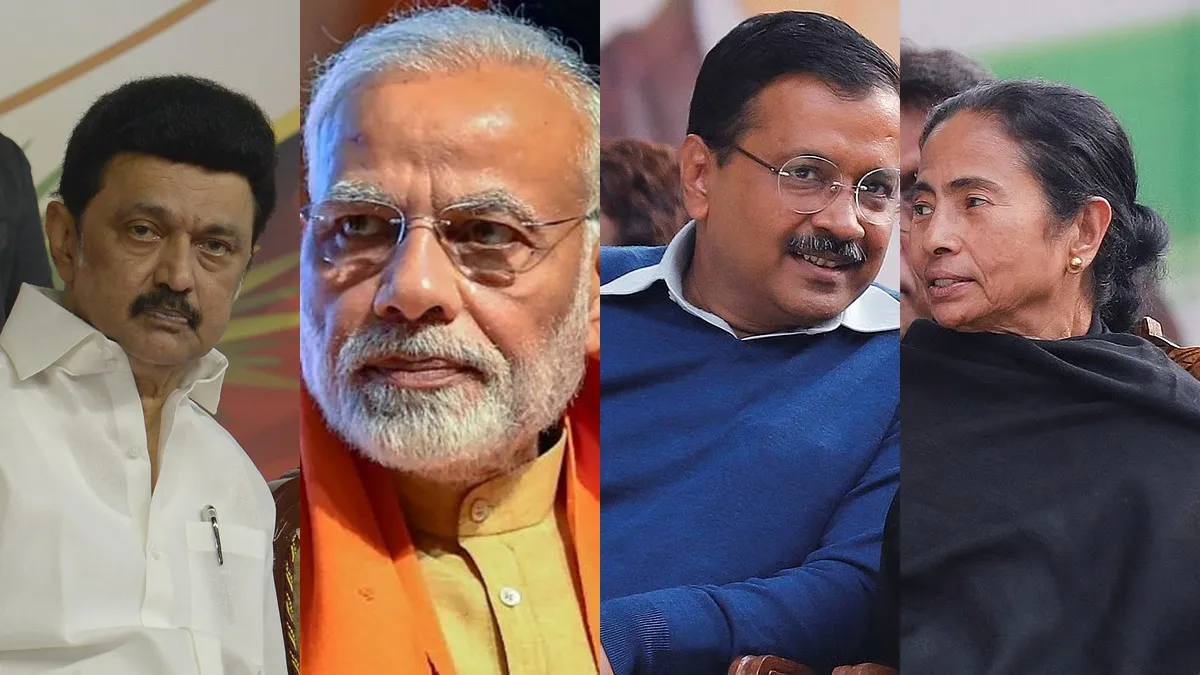
The DMK recently posed a provocative question: ‘How is it that the anti-incumbency wave is only seen in opposition-ruled states?’ This inquiry reflects their concern regarding the political landscape in India, particularly in BJP-ruled regions like Madhya Pradesh, Assam, and Bihar.
DMK officials argue that while their party faces anti-incumbency challenges in states like Delhi and Punjab, the BJP seems immune to similar pressures despite being in power for around two decades in Madhya Pradesh. They suggest this inconsistency merits further investigation.
In their analysis, the DMK pointed out that the BJP has consistently secured re-election in various states, including Bihar and Assam. This trend raises questions about the dynamics of voter sentiment and fragmentation that appear to benefit the ruling party while disadvantaging its opponents.
Moreover, DMK leaders have criticized media portrayals of the BJP as an unbeatable force. They assert that such narratives obscure the reality of rising prices and unemployment—issues they believe should sway public opinion against the ruling party.
As part of their critique, DMK representatives highlighted how the focus on religious sentiments during elections distracts from pressing economic concerns. They referred to this situation as a ‘puzzle’ that needs to be understood for a more balanced view of governance.
The DMK’s leadership under Stalin has emphasized these points to rally support against what they perceive as an unfair political dynamic favoring the BJP. The party’s stance aims to mobilize voters by addressing critical issues facing citizens today.
Looking ahead, the DMK plans to continue raising these questions as they prepare for upcoming elections. Their strategy involves not only highlighting these inconsistencies but also proposing solutions to address economic grievances affecting voters throughout Tamil Nadu and beyond.