As India approaches the 2026 monsoon season, expectations have shifted dramatically. Initially, forecasts suggested a near-normal monsoon, consistent with the previous year’s prediction of 96% of the Long Period Average (LPA). However, the India Meteorological Department (IMD) has now warned that the upcoming monsoon is likely to be below normal, with rainfall anticipated at only 92% of the LPA.
This marks the first time in 11 years that the IMD has issued a warning for below-normal southwest monsoon rainfall in its April forecast. The LPA for the monsoon season is set at 87 cm, meaning that this year, India could receive significantly less rainfall than expected.
The decisive moment came as the IMD cited climate signals, including a transition from La Niña and the potential onset of El Niño, as key factors influencing this year’s forecast. Such climatic shifts have historically impacted monsoon patterns, leading to variations in rainfall that can affect agriculture and water supply across the country.
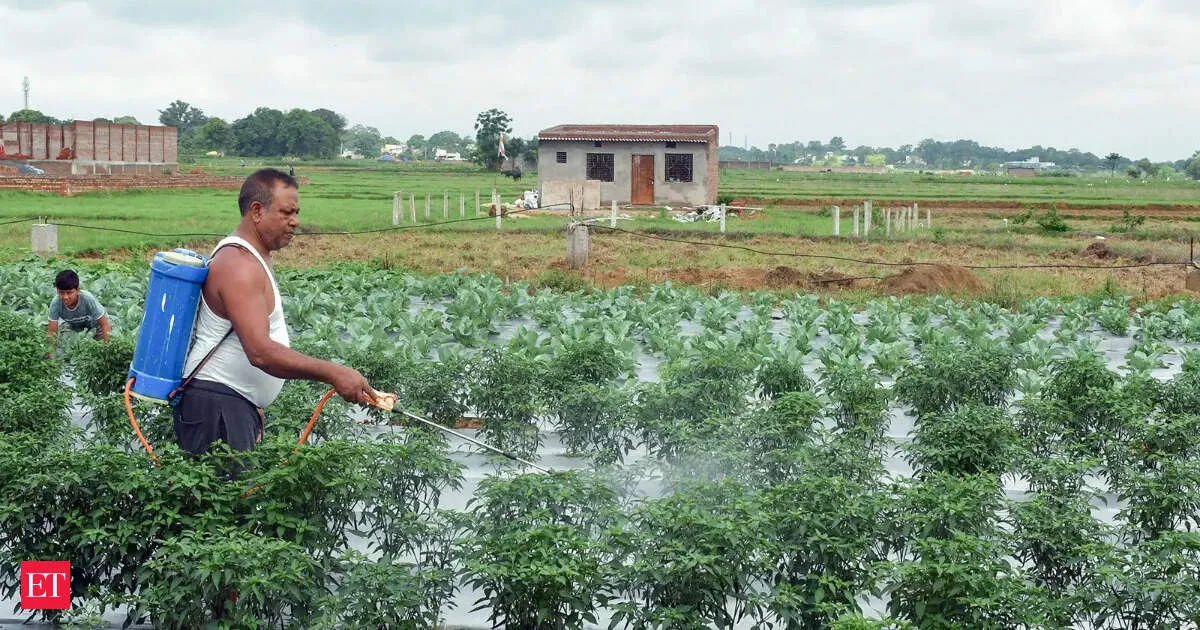
The implications of this forecast are profound. Farmers, who rely heavily on the monsoon for irrigation, may face challenges if the predicted rainfall does not materialize. The last experience of reduced monsoon rainfall was in 2023, where farmers had to cope with a warning of near-normal rainfall that ultimately fell short.
Looking back, the IMD’s 2015 forecast of below-normal rainfall at 93% of the LPA turned out to be an underestimate, with actual rainfall recorded at just 86%. This historical context raises concerns among stakeholders about the reliability of current predictions.
Experts emphasize the need for preparedness in light of these forecasts. The agricultural sector, which is particularly vulnerable to fluctuations in monsoon rainfall, must adapt to these changing climate patterns. This includes investing in drought-resistant crops and improving water conservation techniques.
As the monsoon season approaches, the IMD’s forecast serves as a critical reminder of the unpredictability of weather patterns influenced by global climate phenomena. Stakeholders are urged to remain vigilant and proactive in addressing the potential impacts of below-normal rainfall.
Details remain unconfirmed regarding the exact implications of this forecast, but the urgency for adaptation strategies is clear. The coming months will be crucial for assessing the actual rainfall and its effects on the agricultural landscape in India.