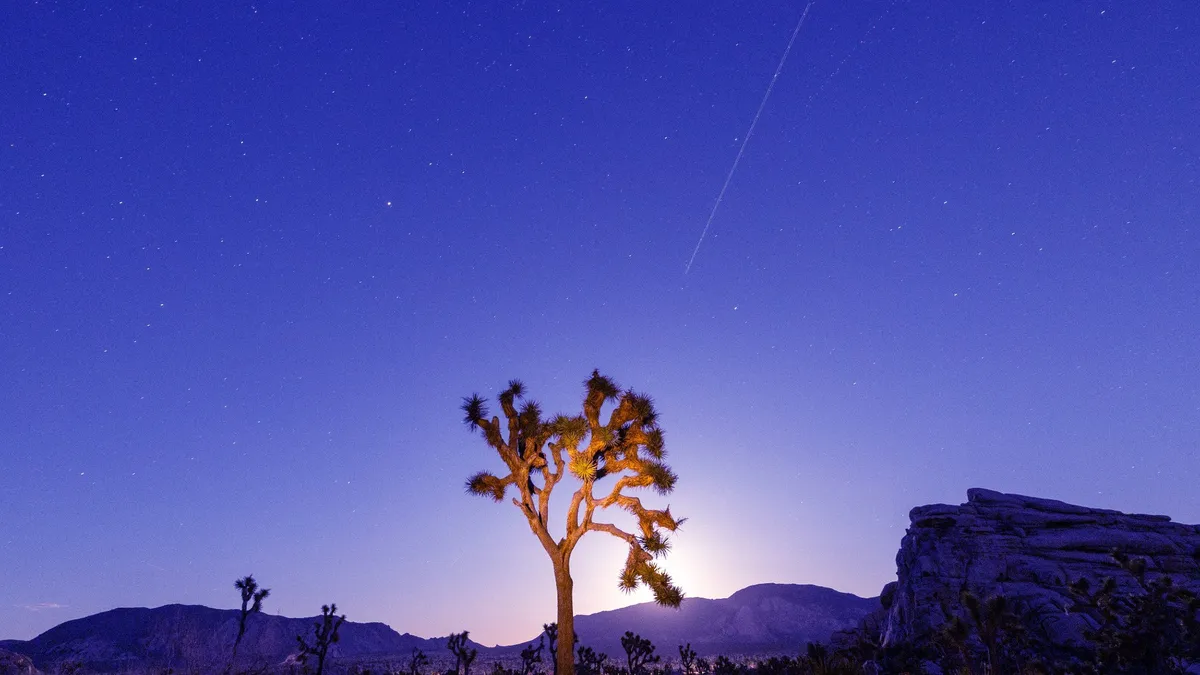
The Lyrid meteor shower is set to peak from April 21 to April 22, captivating stargazers across the Northern Hemisphere. This annual event promises a dazzling display of meteors, with observers in optimal conditions able to witness up to 20 meteors per hour.
Originating from Comet C/1861 G1 Thatcher, the Lyrids have been documented for over 2,700 years, making them one of the oldest known meteor showers. Historical records indicate that observations of this celestial phenomenon date back as far as 687 BC.
As the meteors radiate from near the constellation Lyra—specifically close to its brightest star, Vega—viewers are encouraged to look towards this area of the night sky for the best experience. The meteors are particularly noted for their speed and brightness, often leaving behind glowing trails that enhance their visual impact.
The Lyrids are active from April 16 to April 25, but the peak viewing time is after midnight when the radiant rises higher in the sky. Stargazers should allow about 30 minutes for their eyes to adjust to darkness for optimal viewing conditions.
In the UK, under clear skies, observers can expect around 15–20 meteors per hour. However, in ideal circumstances, some reports suggest that as many as 100 meteors could be visible during peak activity.
Still, not every viewer will experience these maximum numbers; various factors such as light pollution and weather conditions can significantly affect visibility. Therefore, finding a dark location away from city lights will enhance the viewing experience.
The excitement surrounding this year’s Lyrid meteor shower highlights humanity’s long-standing fascination with celestial events. As people gather to witness this natural spectacle, it serves as a reminder of our connection to the universe.
Details remain unconfirmed regarding any unusual activity or specific patterns expected this year. Observers are encouraged to share their experiences and findings as they enjoy this timeless astronomical event.