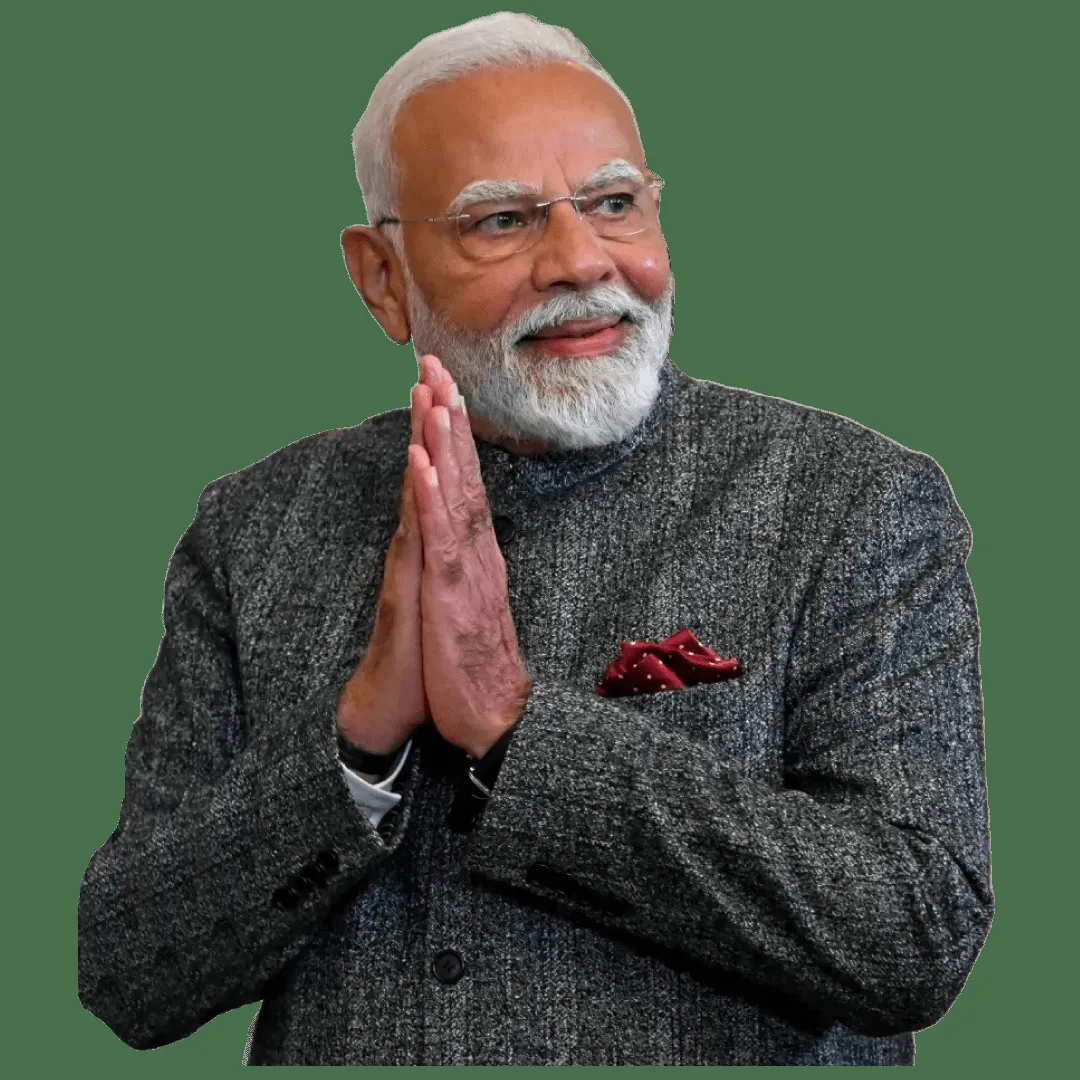
Prime Minister Narendra Modi has inaugurated the Sri Guru Bairavaikya Mandira at the Srikshetra Adichunchanagiri mutt in Mandya, Karnataka. This new mandira serves as a tribute to the spiritual lineage of the mutt within the ancient Kalabhairaveshwara temple complex.
The architectural design of the Guru Bhairavaikya Mandira draws inspiration from several historical styles, resembling the renowned Konark Sun temple and incorporating elements from Hoysala, Chola, Chalukya, and Ganga architecture. This inauguration marks a significant cultural event for the region.
Modi’s address comes shortly after a contentious political development—just a day prior, the Lok Sabha voted against the Constitution Amendment Bill on Delimitation. This decision has raised questions about future electoral strategies and representation.
Bihar, where millions have migrated for jobs due to its economic struggles, remains a focal point for Modi and his party. With over 74 million voters, it is one of India’s largest states but is notable for being one where the BJP has not yet managed to form a government independently.
The dynamics in Bihar are crucial as they could influence national politics. Observers suggest that Modi’s initiatives in states like Karnataka may be part of a broader strategy to consolidate support ahead of upcoming elections.
Yet, the opposition parties are likely to leverage recent developments to challenge Modi’s governance. They might argue that while he inaugurates temples, pressing issues like unemployment and migration remain unaddressed.
As political tensions rise, especially with Bihar’s electoral landscape shifting, Modi’s government faces scrutiny over its policies and effectiveness. The outcomes of these developments will be closely monitored by both supporters and critics alike.
Details remain unconfirmed regarding how these political maneuvers will affect Modi’s standing in Bihar and other key states.