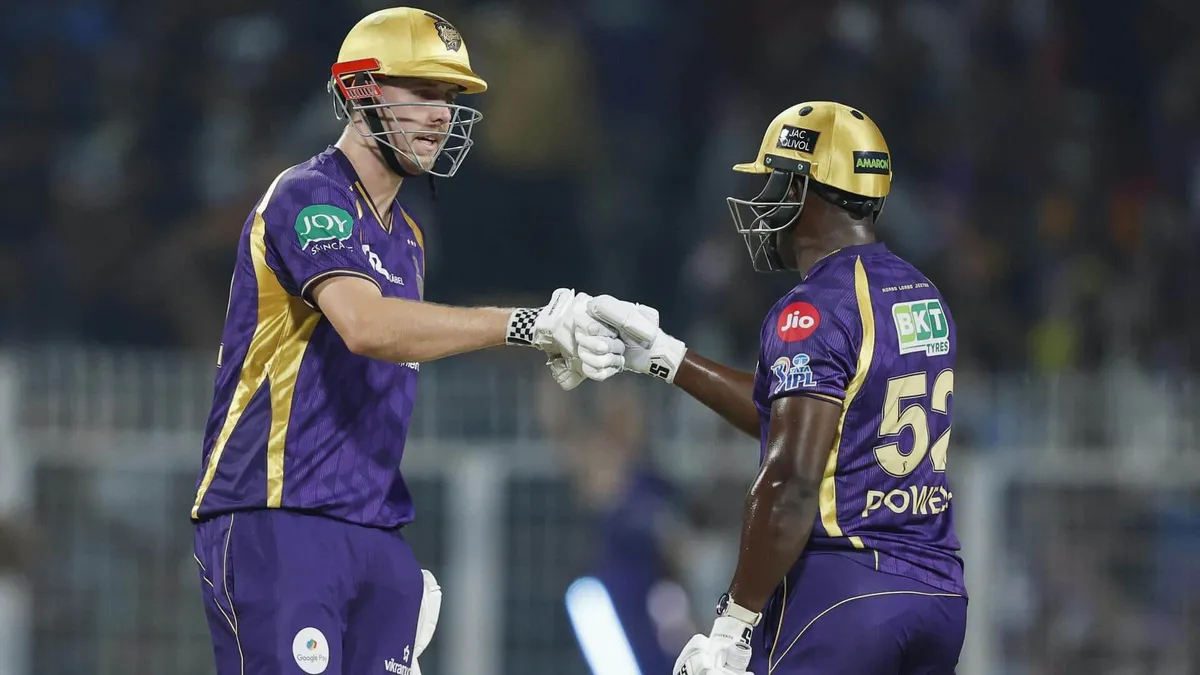
The Pakistan Super League (PSL) has recently faced a significant challenge with the announcement that Blessing Muzarabani will be banned for two years. This decision comes after Muzarabani opted to join the Indian Premier League’s (IPL) Kolkata Knight Riders, despite having previously agreed to play for Islamabad United. The situation highlights the ongoing conflict between the two leagues, which have been held almost simultaneously since last year, complicating players’ commitments.
The Pakistan Cricket Board (PCB) expressed disappointment over Muzarabani’s decision, stating, “Despite a clear offer and an unequivocal acceptance of essential terms, the player chose to disregard these obligations in favour of a conflicting arrangement.” This statement underscores the PCB’s frustration with players who switch allegiances at critical times, particularly when it affects local leagues.
In a related development, Corbin Bosch was also banned from participating in the PSL for one year after he chose to snub Peshawar Zalmi in favor of Mumbai Indians in the IPL. Such decisions disrupt team dynamics and raise questions about player loyalty amid lucrative offers from rival leagues.
Meanwhile, Wahab Riaz has advocated for establishing a women’s T20 league in Pakistan modeled after the successful PSL. He noted that while Pakistani women cricketers possess talent, they lack experience against stronger international teams. Riaz emphasized that exposure to high-level competition is crucial for their development.
The Zimbabwe women’s team is set to tour Pakistan from April 29 to May 15, 2026, which could provide valuable opportunities for local players. Riaz stated, “The PSL has been a big success for us, and while our girls are not short on talent, they lack the experience and exposure of playing against stronger teams and players.” This initiative reflects a broader commitment to enhancing women’s cricket in Pakistan.
As both leagues continue to compete for top talent, it raises concerns about how such dynamics might affect future player decisions. Pakistani cricketers have not participated in the IPL since 2008 due to geopolitical tensions, making this recent ban all the more impactful on local cricket culture.
Looking ahead, observers speculate that these developments may lead to stricter regulations regarding player commitments between leagues. The PCB may need to implement measures that ensure players honor their agreements with domestic franchises before pursuing opportunities abroad.
Details remain unconfirmed regarding how these changes will affect upcoming seasons of both leagues. However, as tensions rise between the PSL and IPL, players will likely face tough choices that could shape their careers significantly.