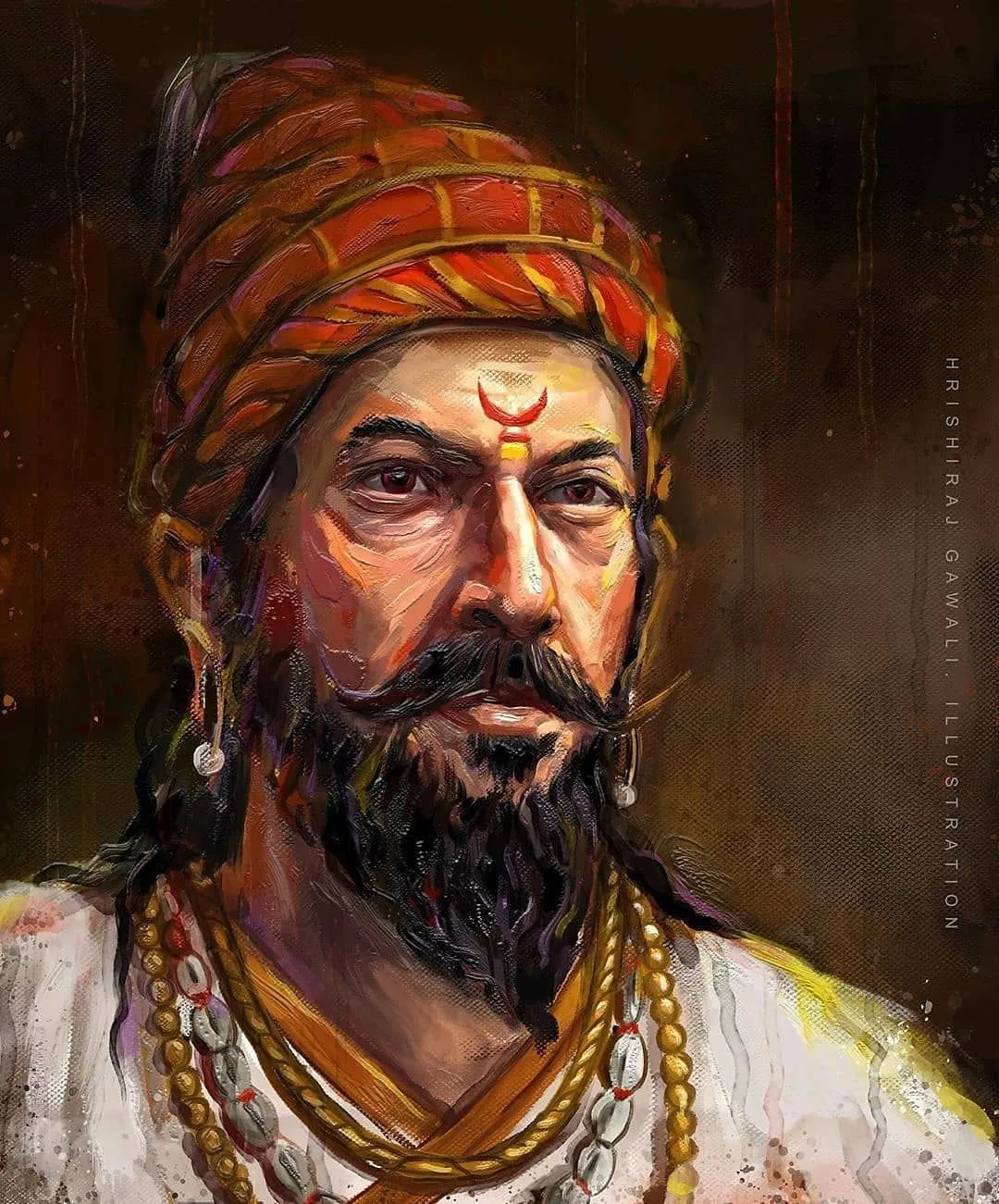
The upcoming film Raja Shivaji has stirred legal controversy just before its release, raising questions about the sensitivities surrounding historical representation in cinema. Set in mid-seventeenth century Maharashtra, the film chronicles the transformation of Shivaji Shahaji Bhonsle into Chhatrapati Shivaji Maharaj, a pivotal figure in establishing Hindavi Swaraj against the Mughal Empire.
Key facts about the film:
- The film is directed by Riteish Deshmukh and co-written with Jaideep Yadav and Prajakt Deshmukh.
- It features a runtime of 195 minutes.
- Vidya Balan portrays an Adlishahi queen, while Salman Khan makes a cameo as Jeeva Mahala.
- The movie depicts Shivaji’s primary adversary, Afzal Khan, and highlights the brutal tactics of his opponents.
Legal challenges emerged when a petition claimed that the title was derogatory. However, the Bombay High Court dismissed this petition, affirming that it did not violate any laws. This decision underscores the ongoing debate about how historical figures are represented in modern media.
As audiences anticipate the film’s release, critics have begun to weigh in. One review described Raja Shivaji as a “studious, plodding affair” that explores themes of sovereignty and power struggles during a time of legitimized anarchy. The screenplay emphasizes Shivaji’s religious convictions and his quest for sovereignty for his people.
The film’s portrayal of violence and power dynamics may resonate differently among various audiences. The depiction of bloodshed and desecration raises ethical questions about how history is interpreted through entertainment.
With its mix of Marathi and Hindi dialogue, Raja Shivaji aims to appeal to a broad audience while navigating complex historical narratives. As discussions around its content continue, many are eager to see how it will be received upon release.