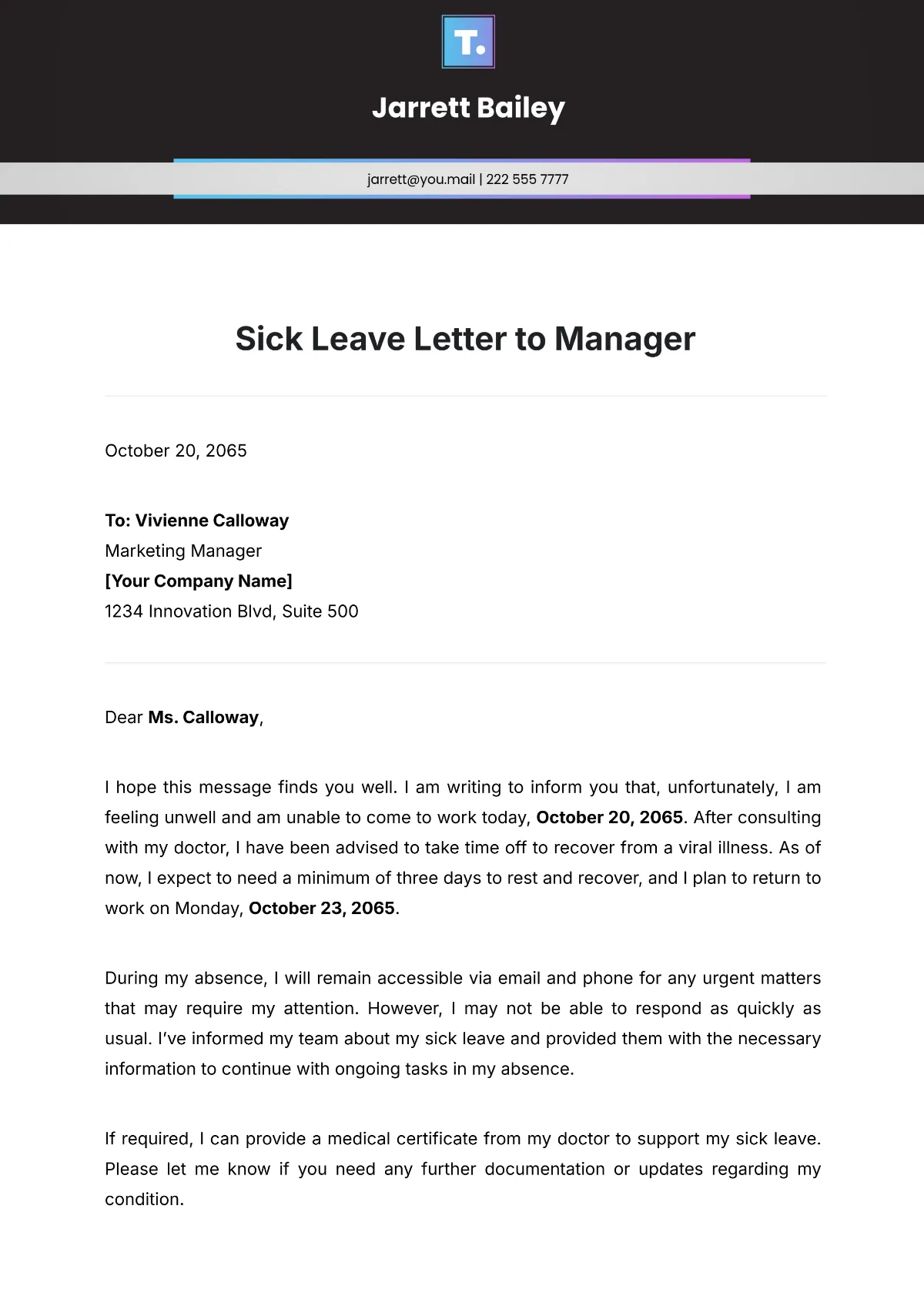
In India, single-day sick leaves are often treated with suspicion, even for common illnesses like fever or migraines. This cultural attitude towards sick leave has come under scrutiny following a recent incident involving a corporate employee whose request for a day of sick leave was denied by his manager. The employee had developed a fever and sought to take a day off to recover, but his request was met with resistance.
The manager claimed that sick leave could only be granted if the employee was hospitalised for three days with proof, a policy that many find excessively stringent. This incident has raised questions about the validity and enforcement of sick leave policies in the workplace, particularly in environments where employee health is often overlooked.
After his initial request was denied, the employee obtained a doctor’s certificate recommending two days of rest. He subsequently applied for sick leave through the HR portal, which was approved. However, the manager refused to accept the HR-approved sick leave and demanded to see the prescription, further complicating the situation. This reaction from the manager has drawn significant criticism.
Reddit users reacted strongly to the manager’s behavior, describing it as a reflection of toxic workplace norms. One user remarked, “Choose health over donkeys. If sick leave is policy-backed and HR-approved, your manager has no business gatekeeping it.” This sentiment resonates with many employees who feel that their health is often secondary to workplace demands.
The issue of sick leave is not isolated to this incident. In a broader context, more than 2.4 billion workers globally are exposed to excessive heat, resulting in over 22.85 million occupational injuries each year. In India, projections indicate that the country is set to lose about 5.8% of working hours by 2030 due to heat stress, a significant increase from 4.3% in 1995. This alarming trend highlights the urgent need for more flexible and understanding sick leave policies that account for health-related absences.
In Spain, the conversation around sick leave has also intensified, with public debate focusing on how sick leave is verified, monitored, and limited to medical need. In 2025, Spain recorded 53.7 temporary disability cases per 1,000 workers, which has led to increased Social Security spending. The complexities surrounding sick leave verification and the potential for abuse have made it a contentious topic in various countries.
As the discourse surrounding sick leave continues to evolve, observers suggest that companies need to reassess their policies to better support employee health. Longer wait times for diagnostics, rehabilitation, or specialist visits can extend leave durations, making it crucial for employers to adopt a more compassionate approach to sick leave requests.
With the ongoing challenges posed by extreme heat and workplace pressures, it remains to be seen how companies will adapt their sick leave policies. The need for a balance between operational demands and employee well-being is more critical than ever, and the recent incident serves as a reminder of the importance of fostering a supportive work environment.