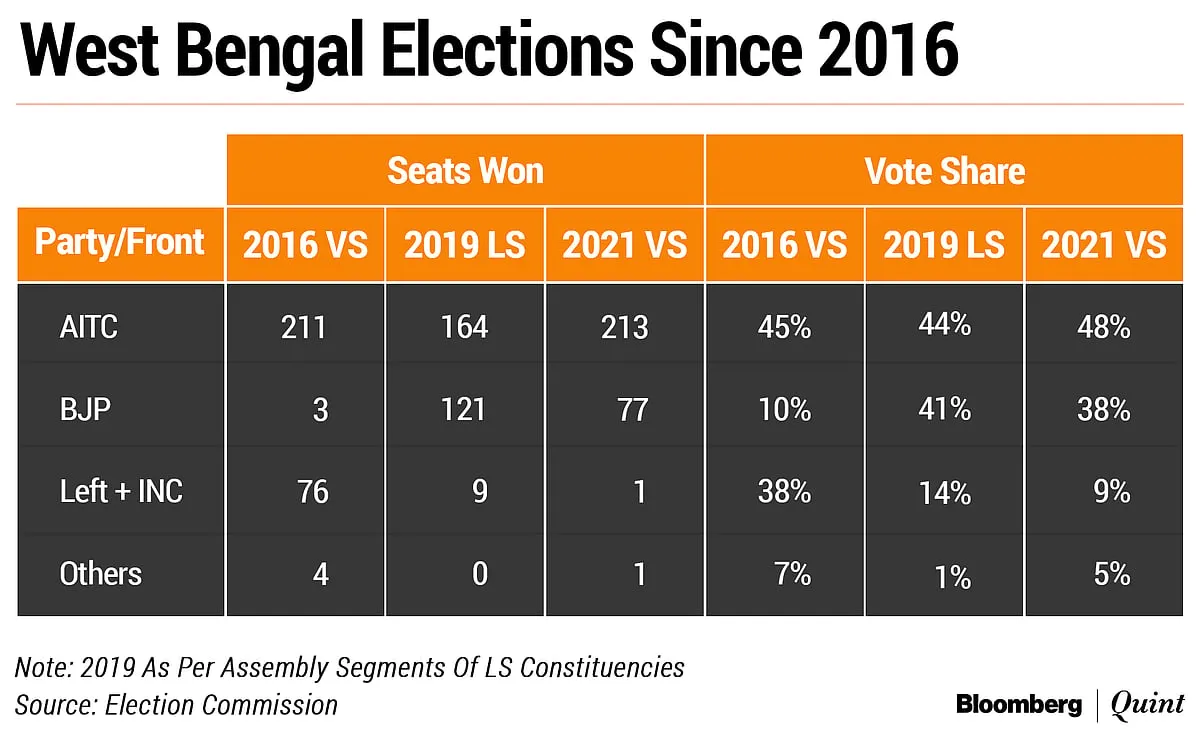
The voter turnout in West Bengal’s 2026 elections reached an impressive 89.99%, surpassing the previous record of 80.4% set during the 2021 elections for the same seats. This notable increase signals a shift in political engagement among the electorate.
Prior to this election, expectations were mixed regarding voter participation, especially given the intense rivalry between the Trinamool Congress (TMC) and the Bharatiya Janata Party (BJP). Many analysts anticipated a lower turnout due to political tensions and allegations of electoral misconduct.
However, the decisive moment came as voters actively participated, with Phase 1 of the assembly polls concluding at a remarkable 92.25%. This figure underscores a renewed interest in the electoral process, reflecting citizens’ desire to influence governance.
The immediate effects on party dynamics have been significant. The TMC, led by Chief Minister Mamata Banerjee, celebrated this surge as a validation of their governance. Conversely, BJP leaders, including Prime Minister Narendra Modi, expressed concerns about alleged electoral malpractices.
Mamata Banerjee voiced her apprehensions about the BJP’s intentions, stating, “The BJP wants to rig this election. Polls in Bengal are usually peaceful.” Her comments illustrate ongoing tensions as both parties seek to sway public opinion.
District-wise data revealed Purba Bardhaman recorded the highest turnout at 94.06%, showcasing particular enthusiasm among voters there. Other districts also saw notable participation levels, such as Hooghly at 90.34% and Nadia at 90.28%.
The electoral process overall was largely peaceful during this phase, with 1,448 candidates contesting for 142 assembly constituencies across seven districts. Despite Mamata Banerjee’s criticisms regarding central forces’ involvement in local elections—”Central forces are supposed to guard the country’s borders, but instead they are working for a particular party”—the voting proceeded without major incidents.
This increase in voter turnout may reshape future political strategies for both major parties as they analyze what drove citizens to the polls this time around. As parties adapt to these new dynamics, their approaches may evolve significantly leading into subsequent phases of voting.