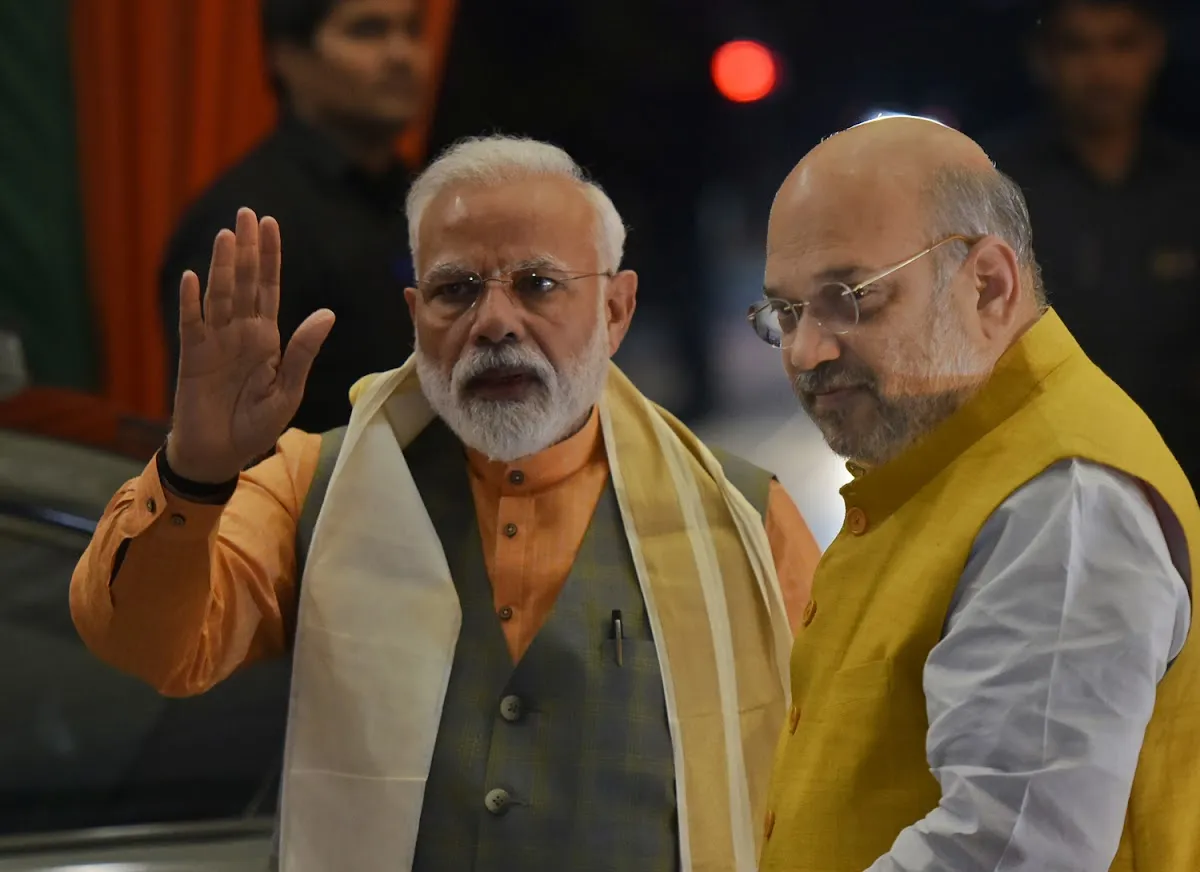
“People’s power has prevailed and BJP’s politics of good governance has triumphed. I bow to each and every person of West Bengal,” declared Prime Minister Narendra Modi following the BJP’s historic victory in the West Bengal assembly elections on May 4, 2026.
The BJP is projected to secure more than 205 out of 294 seats, marking its first win in a state that had been under Trinamool Congress (TMC) dominance for 15 years. This electoral outcome reflects a major shift in India’s political landscape.
The TMC, led by Mamata Banerjee, faced significant challenges during this election cycle. Analysts suggest that the BJP’s extensive groundwork over the past seven years contributed to its success.
Key statistics from the election:
The voter turnout reached approximately 92.93 percent , setting a record for West Bengal. and The BJP’s previous best performance was 77 seats in the 2021 elections.
This election also followed a controversial revision of the electoral roll, which some critics argue may have influenced voter dynamics. The BJP’s rise is further complicated by ongoing discussions about Hindu-Muslim polarization within Indian politics.
Political analysts like Rahul Verma noted that “the BJP had a strong and well-organized presence in West Bengal and Modi is seen as a charismatic leader,” emphasizing factors that contributed to their electoral success.
On another front, Seema Das criticized the TMC, stating, “Didi has lost the track and only appeases Muslims to stay in power.” This remark highlights ongoing tensions regarding identity politics that could shape future elections.
The implications of this election extend beyond West Bengal. The BJP also secured re-election in Assam on the same day, indicating a broader trend favoring the party across northeastern India.
As India navigates this new political reality, observers are keenly watching how this shift will affect local governance and national policies moving forward.