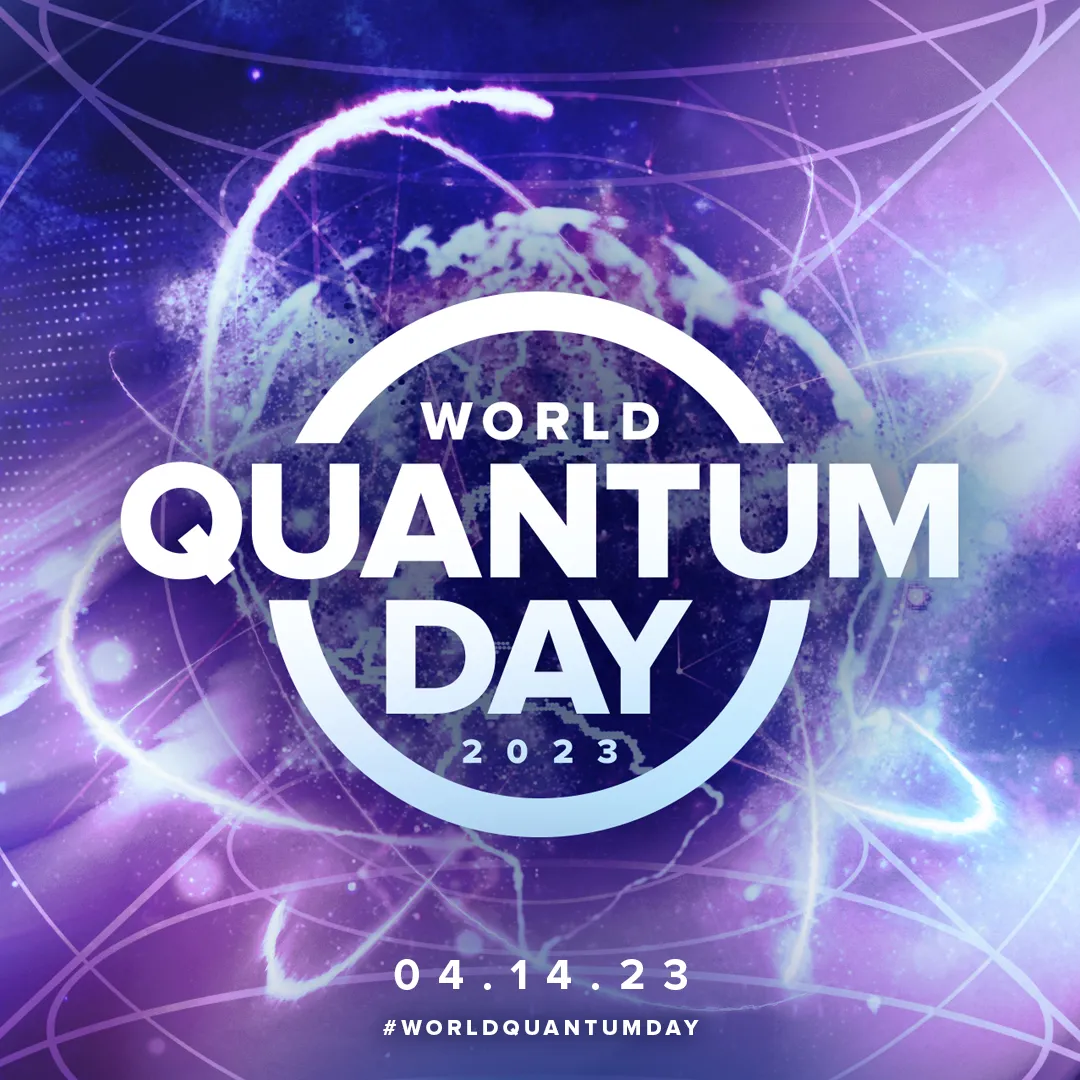
As the world continues to explore the frontiers of quantum science, anticipation builds for the next World Quantum Day, set for April 14, 2026. This day, established in 2021 by an international network of scientists, serves as an annual outreach effort to raise public awareness about the significance of quantum science and technology.
The choice of date, April 14, is significant as it reflects the first three digits of the Planck constant (4.14), a fundamental element in quantum mechanics. The event has quickly gained traction, with various activities planned, including lectures, lab tours, workshops, and online programming aimed at demystifying quantum concepts.
In the years since its inception, World Quantum Day has highlighted the importance of quantum computing and its potential applications. As noted by physicist Aditya Singh, “World Quantum Day is not a celebration of what quantum computing will be — it is a recognition of what it already is.” This sentiment underscores the current state of quantum technology, which is rapidly evolving.
Recent developments indicate a growing commitment to quantum initiatives. The UK has pledged £2 billion through its Quantum Leap funding and an additional £180 million to support its National Timing Centre programme. Such investments reflect a broader recognition of the need for advancements in quantum technology.
Despite these advancements, experts like Dan Holme emphasize that there is still much work to be done. “On World Quantum Day, now is the time to recognize that more still needs to be done to close the gap between laboratory breakthroughs and real-world quantum deployment,” he stated. This highlights the ongoing challenges in transitioning from theoretical research to practical applications.
Moreover, the landscape of quantum computing is not singular; as Trevor Lanting points out, “The future won’t be defined by a single approach, but by multiple architectures working together.” This collaborative approach is essential for realizing the full potential of quantum technologies.
As organizations increasingly transition to post-quantum cryptography, with 38% already making the shift, the relevance of World Quantum Day continues to grow. The event not only celebrates existing achievements but also serves as a reminder of the work that lies ahead.
Looking forward, Google predicts that by 2029, we may witness the arrival of what they term “Q-Day,” a milestone that could redefine our interaction with technology. The excitement surrounding this potential future is palpable, as Jan Goetz notes, “The technology is real. The applications are real. The timeline to quantum advantage is compressing.”
As World Quantum Day approaches, it is clear that this initiative plays a crucial role in fostering understanding and collaboration in the field of quantum science, paving the way for future innovations.