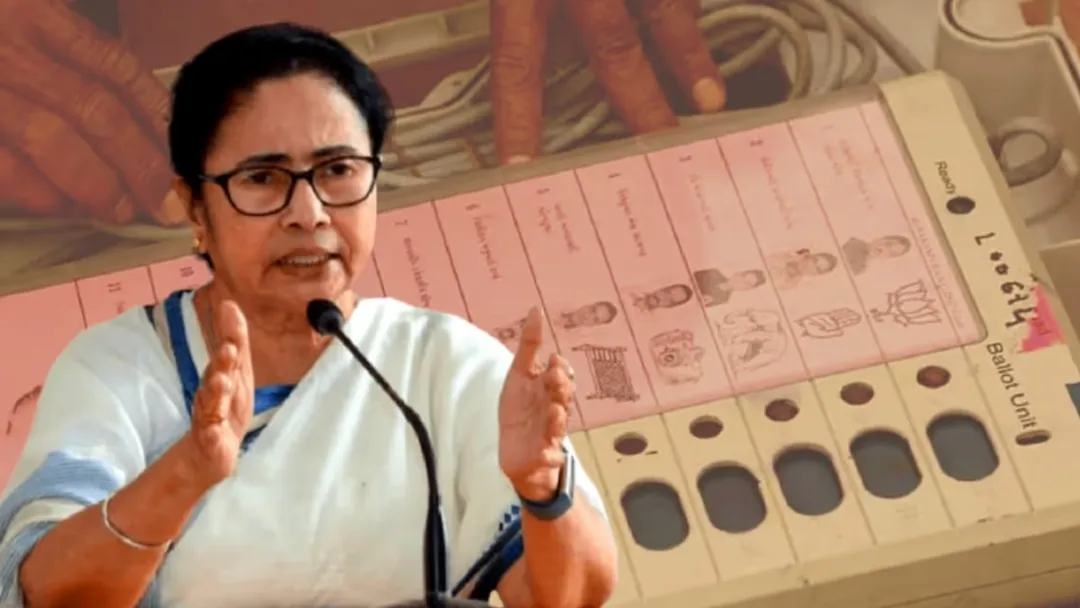
The election results will determine whether Mamata Banerjee can secure a fourth consecutive term or if the Bharatiya Janata Party (BJP) will finally break through in West Bengal. The counting of votes for the 293 Assembly seats, following elections held on April 23 and April 29, is set for May 4, 2026.
The voter turnout for these elections reached historic levels, with 92.8% in the first phase and 91.47% in the second phase, marking the highest turnout since India’s independence. Both major parties—Trinamool Congress (TMC) and BJP—claim this record turnout as a mandate in their favor.
Meanwhile, approximately 91 lakh voters were removed from the electoral rolls due to a Special Intensive Revision (SIR), which has raised concerns about its impact on the election outcome. This revision affected about 12% of the electorate.
The Election Commission of India has appointed 165 additional counting observers and 77 police observers to oversee the counting process, ensuring transparency amid heightened scrutiny.
The magic number for securing a majority in the 294-member Assembly is 148. As results begin to emerge, both TMC and BJP are keenly aware that any outcome could have implications extending beyond West Bengal.
On another front, the CPI(M) and Congress aim to regain their footing in West Bengal after suffering significant losses in the last elections. They hope that this election might mark a turning point for their political fortunes.
A repolling for the Falta Assembly seat is scheduled for May 21, 2026, due to reported electoral malpractices. This situation adds another layer of complexity to an already contentious electoral landscape.
The shadow over this election—the Special Intensive Revision of electoral rolls—has sparked controversy that may overshadow the results. Whatever verdict emerges today, its implications are expected to travel well beyond the corridors of Nabanna and into the national political landscape.