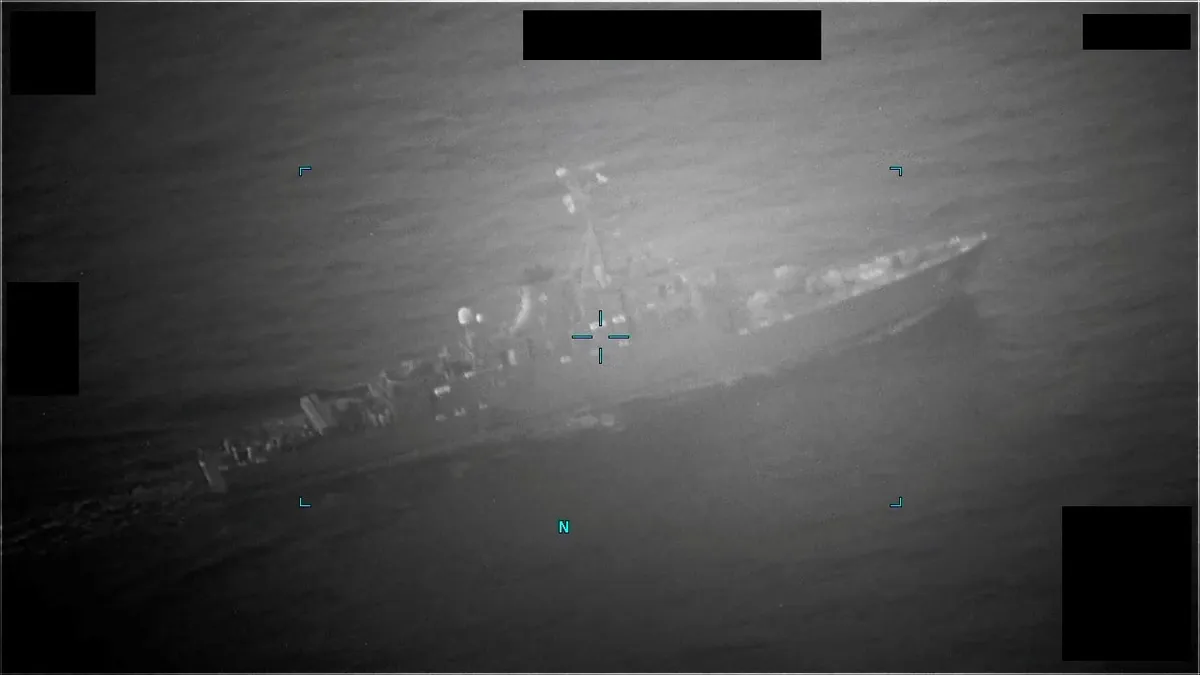
Two Indian-flagged ships faced gunfire from Iran’s Revolutionary Guards in the Strait of Hormuz, prompting India to summon the Iranian ambassador for urgent discussions. This incident marks a significant escalation in maritime tensions, as India prioritizes the safety of its vessels.
Reports indicate that two Indian vessels had to turn back due to the gunfire, while a tenth vessel successfully crossed the strait amid ongoing threats. The ship Desh Garima, which was carrying crude oil destined for Mumbai, was among those navigating through this perilous route.
Since last month, Iran had intermittently permitted Indian vessels to transit through the strait; however, recent developments have raised alarms. As of now, there are 499 Indian seafarers aboard various Indian-flagged vessels in the Persian Gulf region, highlighting the stakes involved.
In total, shipping companies have evacuated 2,487 seafarers from the region amid escalating risks. Meanwhile, several other ships—both Indian and foreign-flagged—remain stranded, waiting for safe passage through this critical waterway.
Vessels attempting to cross have received radio messages from Iran’s navy stating they were not allowed to pass. Such confrontations could disrupt international shipping and energy supplies significantly.
Historically, Iran’s relationship with maritime nations has been fraught with tension. The ongoing conflict between Iran and the US and Israel has further complicated navigational safety in these waters since it began on February 28.
Details remain unconfirmed regarding the full extent of damage or further implications for international shipping routes. Observers are closely monitoring how this situation will evolve and whether diplomatic interventions can mitigate risks for seafarers.