Air quality concerns in New York
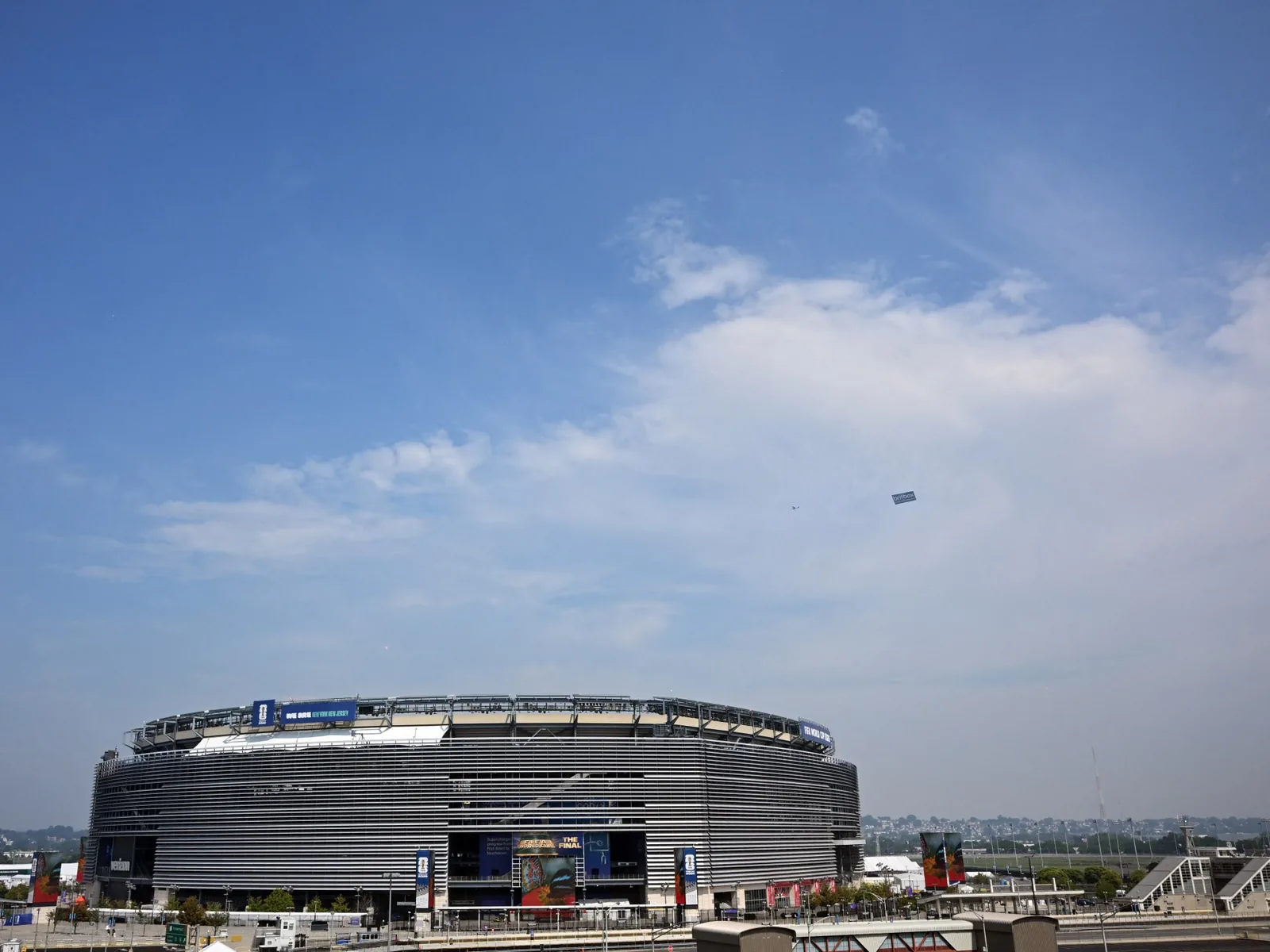
New York City and the wider eastern seaboard have recently experienced thick smoke, leading to air quality alerts. This situation has drawn attention from cities like Dallas and Los Angeles, which were also contenders to host the World Cup final. The final is scheduled to take place at the New York New Jersey Stadium, also known as the MetLife Stadium, on Sunday.
Wildfires in Canada have caused this smoke to spread south, affecting numerous eastern US cities. On Thursday, the air quality advisory was elevated from “unhealthy” to “very unhealthy.” Emergency management officials in New York City issued a citywide code red from Tuesday to Thursday, advising residents to remain indoors unless necessary and to avoid strenuous physical activity.
The smoke significantly reduced visibility in downtown Manhattan, temporarily obscuring landmarks such as the Statue of Liberty. Conditions were severe enough to cause cancellations of several flights from Newark airport in New Jersey. By Friday, conditions began to show improvement, and FIFA officials expressed confidence that the situation would further improve by Sunday, especially with rain forecast for Saturday, which is expected to help clear the smoke.
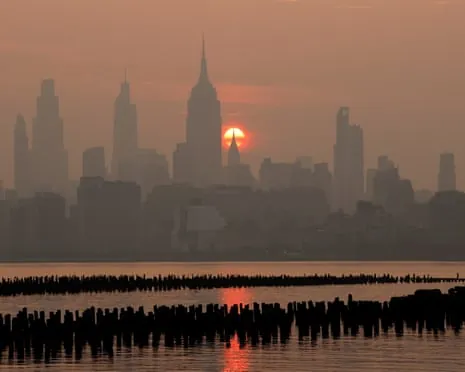
The air quality on July 16 in western regions of New York was deemed “very unhealthy,” while the New York City metro area experienced “unhealthy” air quality. Many individuals in the city were seen wearing masks to protect themselves. A dense haze of smoke obscured views of landmarks including the MetLife Stadium, the Empire State Building, and the Statue of Liberty.
The National Women’s Soccer League (NWSL) match between Gotham and Washington Spirit in Queens on Wednesday proceeded amidst an orange-brown haze. During this match, players were instructed to take two additional breaks in each half, in line with the NWSL’s policy for poor air quality conditions.
Travel and presidential presence
Beyond the weather, a significant challenge for the final involves transportation to the MetLife Stadium. The stadium is known among NFL fans for its limited public transport options and the difficulties associated with navigating the Lincoln Tunnel, which connects Manhattan to New Jersey.
Parking at the stadium on Sunday will be restricted to guests and VIPs. The cost of bus and rail travel has been increased for the tournament. An intervention by the governments of New York and New Jersey, including a subsidy, led to a reduction in the initial matchday return price for New Jersey Transit trains. Shuttle buses from Manhattan will be available for a fee of $20.
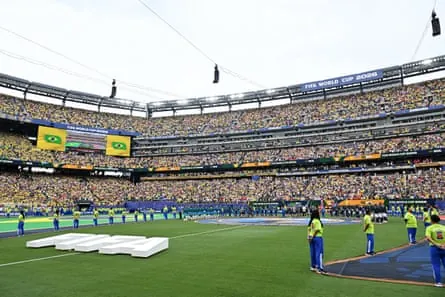
Former President Donald Trump is anticipated to make an appearance, with his helicopter, Marine One, expected to fly over the stadium before landing at Teterboro airport. FIFA has confirmed that Trump will present the trophy alongside Gianni Infantino. This follows a previous incident where Trump appeared at Chelsea’s celebrations after their Club World Cup victory last year.
A precedent for such a presentation was established four years ago when Sheikh Tamim bin Hamad al-Thani, the emir of Qatar, placed a traditional Arab cloak on Lionel Messi before Argentina’s captain received the trophy from Infantino. FIFA held discussions with Trump at Trump Tower on Friday afternoon, a meeting that necessitated road closures and caused disruption on Fifth Avenue.
FIFA’s monitoring and forecast
FIFA confirmed on Friday that the negative air quality resulting from the wildfires does not currently pose a threat to the World Cup final. Earlier on the same day, tournament organizers stated they were “monitoring the situation closely.”
Andrew Giuliani, Executive Director of the White House World Cup task force, mentioned that there have been discussions regarding the situation, with a representative from the National Weather Service present at FIFA headquarters to monitor developments. Meteorologist Peter Mullinax of the National Weather Service indicated that winds over the Great Lakes could push more smoke into the northeastern US, potentially maintaining hazy skies, but forecasts for that region suggest some improvement.
Joel Dreessen, an air quality forecaster for Maryland, noted that the key factor for the final is whether more smoke drifts south after weekend storm systems. He added that some models are beginning to indicate a potential for more smoke to be pulled down. The World Cup final is expected to draw a worldwide television audience of 1.6 billion.
Read Also
Source: theguardian.com