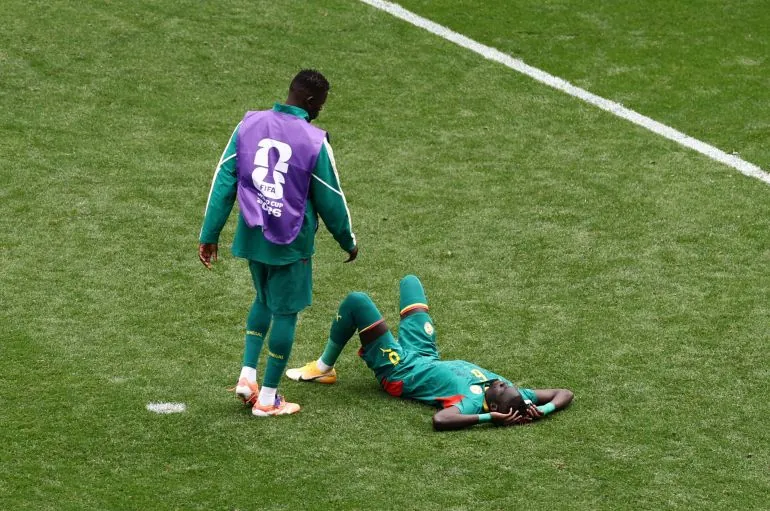
Senegal experienced a dramatic exit from the World Cup after conceding three late goals to Belgium, resulting in a 3-2 defeat. The match, played in Seattle, saw Senegal hold a two-goal lead before Belgium mounted a comeback in the final minutes of regular time and secured victory with a penalty in extra time.
The atmosphere in Dakar, Senegal, was initially filled with anticipation as the nation watched its team compete in the first knockout round. Habib Diarra opened the scoring for Senegal in the 25th minute, and Ismaila Sarr added a second goal early in the second half, putting Senegal in a strong position. Celebrations began prematurely in Dakar, with car horns and firecrackers, as victory seemed imminent.
However, Belgium scored their first goal in the 86th minute through Romelu Lukaku, followed by an equaliser from Youri Tielemans just three minutes later. The decisive moment came in extra time when a penalty was awarded to Belgium after a VAR review for a foul by Lamine Camara. Tielemans converted the penalty in the 125th minute and 44th second, marking the latest winning goal in World Cup history.
Coaching Decisions Under Scrutiny
The defeat has led to significant discussion and criticism regarding Senegal‘s coaching decisions. Former Senegal international Ferdinand Coly, who was part of the 2002 World Cup squad, described the collapse as “incomprehensible.” He suggested that substitutions made by the coaching team significantly altered the midfield and contributed to the team’s fragility once Belgium scored.
Coly believes that the problem lies not in talent but in preparation, criticising an over-reliance on data and statistics instead of developing a cohesive team identity and tactical strategy. He contrasted this with Belgium‘s coach, who was observed making adjustments until the final moments of the game.
The sentiment is echoed by supporters, including Ibrahima Diop, who highlighted a lack of concentration in the final minutes. Diop also noted the absence of a strong fan presence due to visa restrictions and economic challenges, which he felt impacted the team mentally. This pattern of late collapses has been observed in other African teams in the tournament, according to Diop.
Journalist Babacar Fall suggested that issues within the national team began before the tournament, citing uncertainty over the coach’s future, disagreements within the federation, and unresolved contractual issues as factors that created instability. He specifically pointed to a substitution made ten minutes from the end against Belgium that he believes broke the defensive structure.
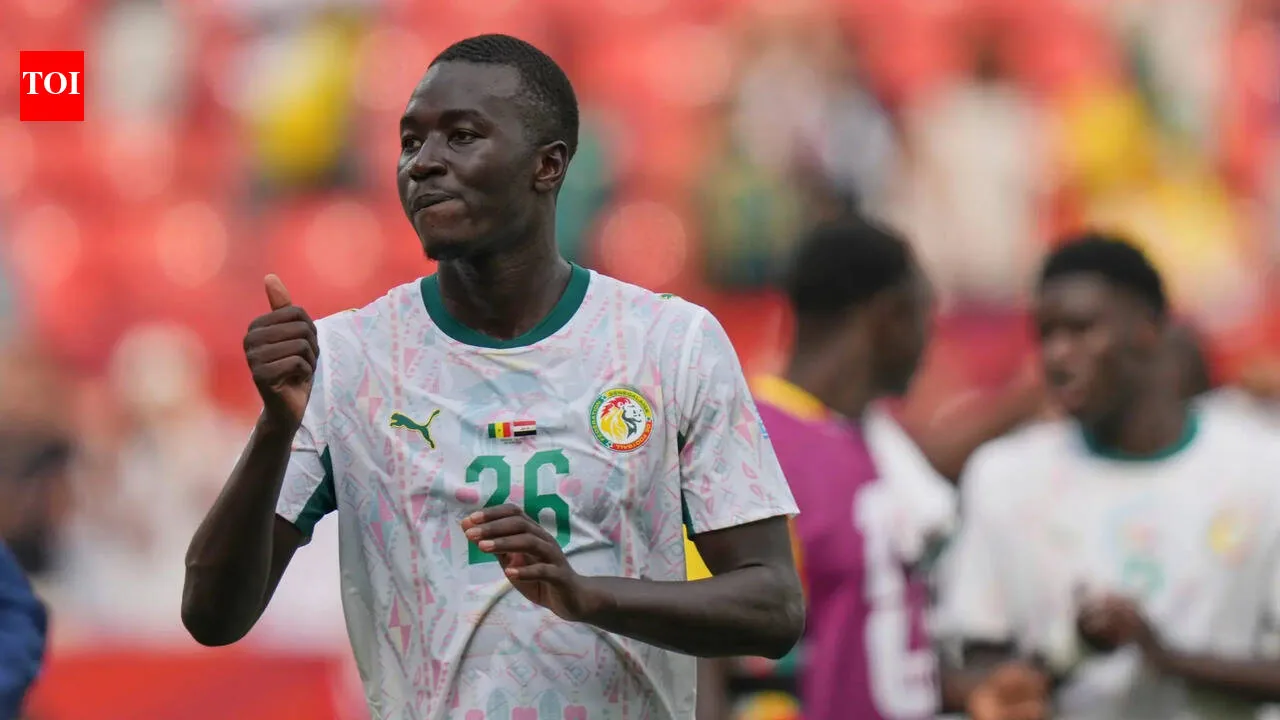
Following the match, midfielder Pape Gueye announced a break from international football, stating he would not return as long as the current technical staff remains in charge. Gueye, who was substituted in the 66th minute, had been a standout performer for Senegal, scoring three goals and providing an assist during the campaign.
Echoes of Previous Heartbreak
The late defeat to Belgium draws parallels with Senegal‘s experience in the Africa Cup of Nations (Afcon) final earlier in the year. In that match against Morocco, Senegal was also affected by a controversial late penalty decision. While Senegal eventually won the game in extra time, they were later stripped of the title by a Confederation of African Football appeal board, a decision currently under appeal.
Pape Thiaw, Senegal‘s coach, expressed his disappointment, stating that the loss felt “cruel.” He acknowledged that the team dropped deeper after conceding the first goal, leading to the second. Despite protests from Senegal‘s players regarding the decisive penalty against Belgium, the decision stood. Thiaw admitted that it was difficult to accept but that they had to.
The absence of injured goalkeeper Edouard Mendy, who had been a key figure in previous matches, was noted. His understudy, Mory Diaw, was beaten by Tielemans‘ penalty and was also deemed at fault for Belgium‘s equaliser in the 89th minute. The comeback by Belgium from a two-goal deficit was the latest such turnaround in World Cup history.
This defeat has left a profound impact in Senegal, where football is seen as a significant source of national pride and unity. The team’s performance in the World Cup, including becoming the first African nation to score 10 goals in a single edition, had raised expectations among supporters that the team should compete with the world’s best.
The silence that followed the match in Dakar reflected a deep disappointment, not just at the loss, but at how victory slipped away in a matter of minutes.
Read Also
Source: aljazeera.com