Potential European Finale for 2026 Season
The 2026 Formula 1 season may conclude in Europe if ongoing conflict in the Middle East prevents the final two races from being held in Qatar and Abu Dhabi. Stefano Domenicali, president of Formula 1, confirmed that a decision regarding these races will be made by mid-September. While the races in Qatar and Abu Dhabi are currently confirmed and reportedly sold out, contingency plans are in place.
F1 has already had to cancel races in Bahrain and Saudi Arabia, originally scheduled for April. Malaysia has stepped in to host a race in September on behalf of Bahrain to ensure the calendar meets commercial contract requirements for 21 Grand Prix events. Domenicali emphasised the importance of having another race after the Las Vegas Grand Prix on November 21.
Contingency Planning and Alternative Venues
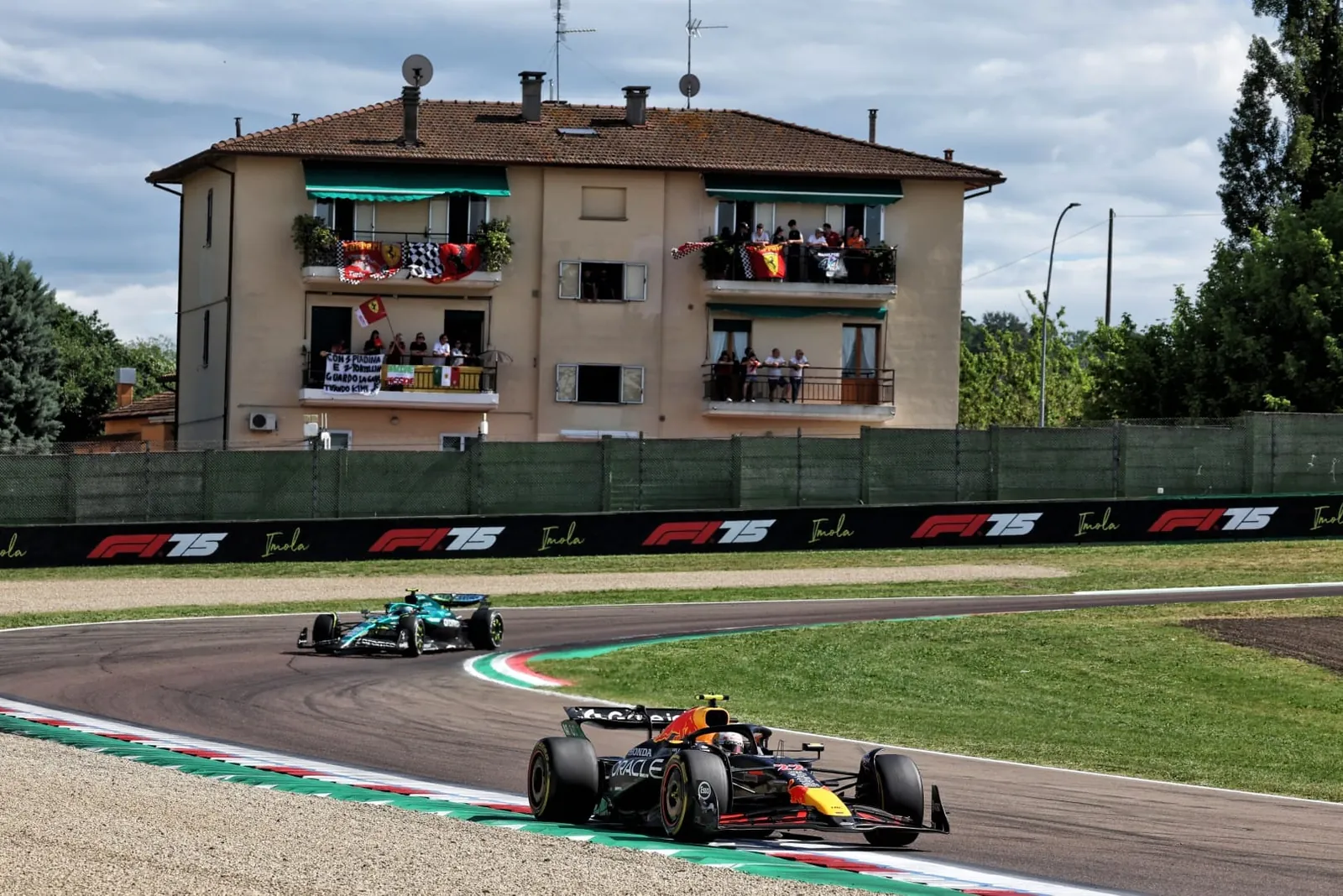
If the Middle Eastern races cannot proceed, Europe is the only viable alternative for the season finale, primarily due to logistical challenges such as Brexit-related documentation. While Domenicali did not specify a location, the Imola circuit in Italy is considered a strong candidate. He noted that Imola is an option but not yet a defined replacement venue.
A second race in Las Vegas was considered but ultimately dismissed. Domenicali explained that a double-header would risk devaluing the growing event and would also face competition from the NFL, a major sport in the US during that period. He highlighted that temperatures in Europe during late November or early December could be less cool than average temperatures experienced during the Las Vegas race.
The F1 president also addressed the 2027 season opener. The plan is for Bahrain to host the opening race on March 14, followed by the Saudi Arabian Grand Prix on March 21, with pre-season testing in Bahrain from February 25-27. However, the situation in the Middle East could impact these plans, with alternative options being considered if necessary to maintain a 24-country target for the calendar.
Engine Regulations and Driver Feedback
Regarding engine regulations, Domenicali acknowledged driver criticism of the new engines, which feature a 50-50 split between internal combustion and electrical power. Drivers like Fernando Alonso have described fast corners as “charging stations” due to the need for constant battery recharging. Despite this, Domenicali stated that the action on track has been “super positive” for fans, who may not fully grasp the technical complexities.
He confirmed that steps are being taken to reduce the impact of energy recovery on driving over the next two seasons. Domenicali also mentioned asking drivers to be “constructive” in their comments following remarks from individuals such as Max Verstappen and Lando Norris. Discussions are ongoing to finalise future engine rules by the end of the year, aiming for a simpler, lighter car class with sustainable fuel and electrification, allowing drivers to push harder.
The FIA president, Mohammed Ben Sulayem, has advocated for a return to naturally aspirated V8 engines for the 2030 or 2031 regulations. While most manufacturers are open to a V8 architecture, Mercedes and Audi prefer retaining turbochargers, and talks are reportedly moving in that direction. It is also anticipated that engines will maintain a significant proportion of electrical power to ensure road relevance, with a package expected to be ready for discussion by the end of the year.
Source: bbc.com