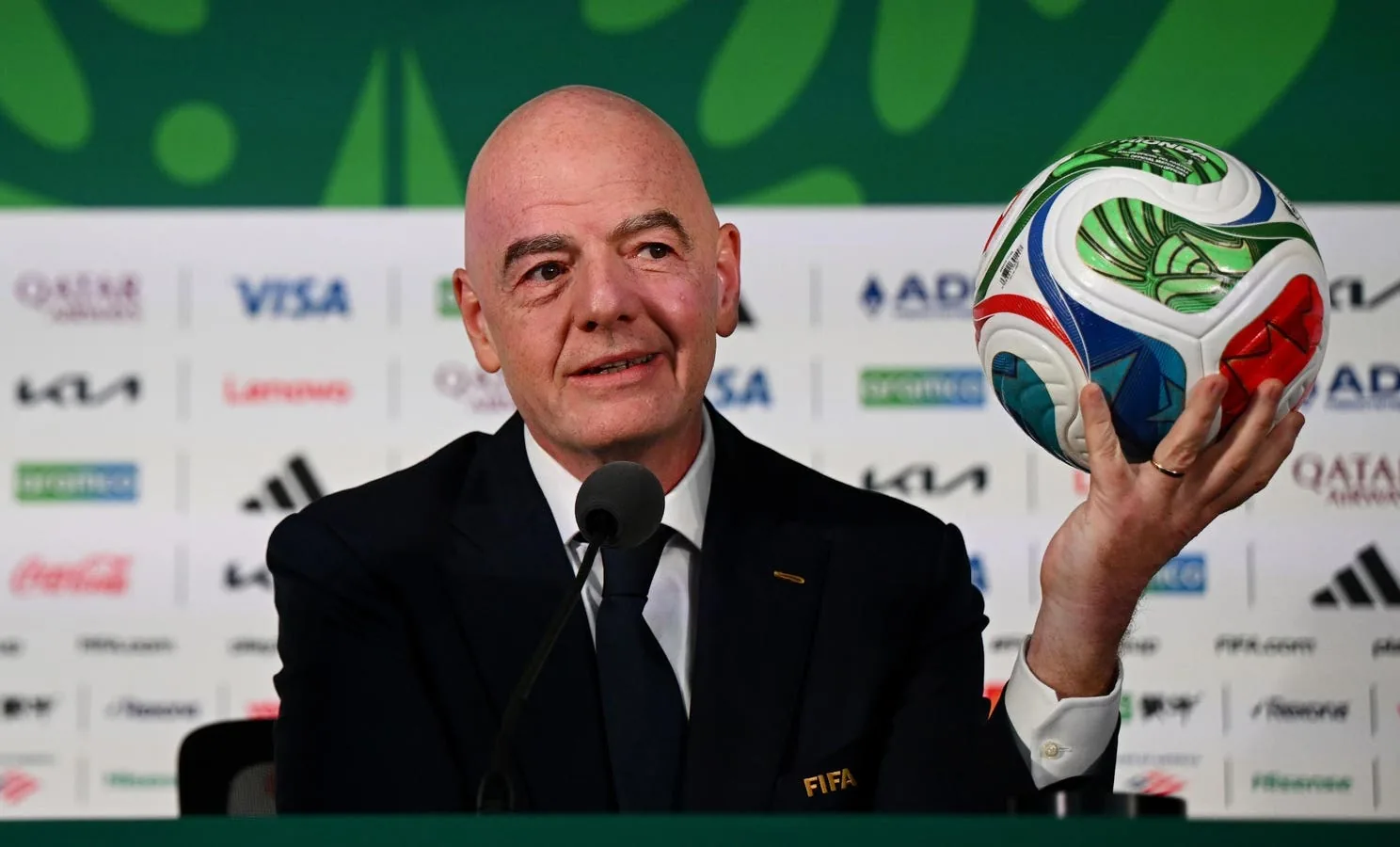
FIFA is moving forward with a plan to sell minority stakes in the World Cup and other competitions, a proposal that has drawn considerable criticism from various football governing bodies. The organisation intends to ask its 211 member associations to vote on the controversial plan in September.
Under the proposed deal, FIFA aims to raise an estimated $4.2 billion in 2026 by selling a reported 20% minority stake in a new subsidiary. This new entity, named FIFA Forward Enterprise, would control the non-profit organisation’s commercial and event operations, with an equity valuation of $20 billion. Each of FIFA’s 211 member associations would receive $20 million in funding if the deal is approved, with annual funds expected to increase through 2038. FIFA has stated it would remain the primary owner of the new subsidiary and retain control over scheduling, governance, and regulatory decisions.
The investor group for this initiative would be led by Thrive Eternal, a fund created by Josh Kushner’s Thrive Capital. JPMorgan bankers are advising FIFA on the deal. The plan requires approval from a majority of FIFA’s member associations to proceed.
Opposition and concerns
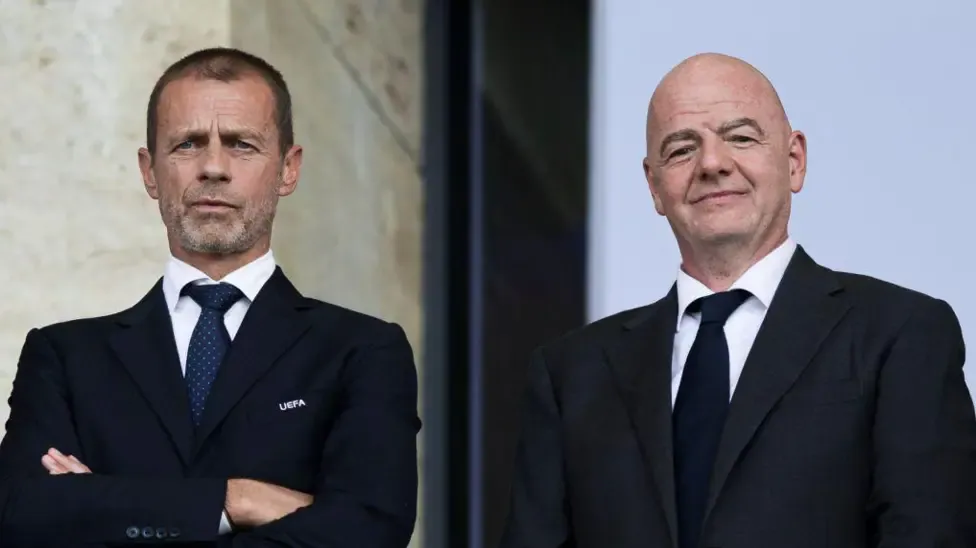
The proposed investment plan has generated significant opposition. UEFA, Europe’s football governing body, has voiced strong criticism, with its president, Aleksander Ceferin, boycotting the World Cup final due to various issues, including a decision to suspend a U.S. striker’s red card. UEFA has indicated it is considering a boycott of FIFA events, including the World Cup and Club World Cup, and held an emergency meeting to discuss the matter. French sports minister Marina Ferrari emphasised the importance of European stakeholders speaking with a unified voice on a project that could profoundly transform the sport.
UEFA stated that there is “significant and growing opposition to FIFA’s scheme,” and highlighted that the prospect of member associations losing the $20 million payment “says everything you need to know about this plan.” The organisation also accused FIFA of attempting to enrich itself and its associates through the sport. According to one report, a former chairman of FIFA‘s governance committee, Miguel Maduro, described the proposal as a “form of legalised bribe,” suggesting that the money distributed to national federations through FIFA‘s system of patronage raises doubts about whether funds reach all levels of football.
Concerns about transparency and due process have also been raised by other confederations. CONCACAF, the governing body for football in the Americas, expressed deep concern over the lack of due process, stating it was only informed about the deal through media reports. Similarly, the Asian Football Confederation reported not being consulted on the deal and not having the opportunity to examine and discuss it through established governance channels. The Football Association in England also stated it was unaware of the proposal and lacked substantive details, expressing deep concern about the lack of information and transparency.
Infantino’s role and motivations
FIFA president Gianni Infantino is seen as a central figure in this initiative. He is up for re-election next year and is term-limited after 2031. Reports have suggested Infantino could potentially serve as a “commissioner” or chief executive of the new company after his final term, though he has denied these discussions. Infantino has cultivated a close relationship with former U.S. President Donald Trump, even awarding him the inaugural “FIFA Peace Prize.” FIFA reportedly consulted with the Trump administration on the plans, and the investment fund involved, Thrive Capital, is led by Josh Kushner, whose brother-in-law is Trump‘s daughter Ivanka. Additionally, Greg Maffei, former president of Formula 1 owner Liberty Media and a donor to Trump‘s political campaigns, is acting as a “key commercial advisor.”
Infantino has presented the plan as a “democratisation of football,” with the promise of significant funding for member countries. He has garnered substantial support from many countries in Africa, Asia, and the Americas, which have benefited financially from his policies, including the expansion of the World Cup to 48 teams and increased commercial revenue. This support base, which constitutes more than half of FIFA‘s 211 members, suggests the plan is likely to proceed, as FIFA votes require a simple majority. The appeal of a $20 million windfall is particularly strong for smaller football nations.
The financial implications for FIFA are substantial. The organisation reported $15 billion in revenue from the 2026 World Cup, a significant increase compared to the estimated $7.57 billion from the 2022 World Cup cycle. Infantino has previously spoken about unleashing FIFA‘s commercial potential. If the plan is approved, FIFA would receive a large influx of cash, with funds earmarked for national federations becoming available from January 1, 2027.
The proposal reflects a trend in sports economics where private equity investment has transformed sports in the USA, with leagues like La Liga and Ligue 1 also selling portions of their operations to private equity firms. The tension between Infantino and Ceferin has also been exacerbated by FIFA‘s revamped and expanded Club World Cup, which is seen as a direct competitor to UEFA‘s Champions League. UEFA members are reportedly angry about the plan, and a meeting is set to discuss their response.
The plan requires a majority vote from FIFA‘s member associations to be implemented.
Source: forbes.com