Argentina’s World Cup Final Performance
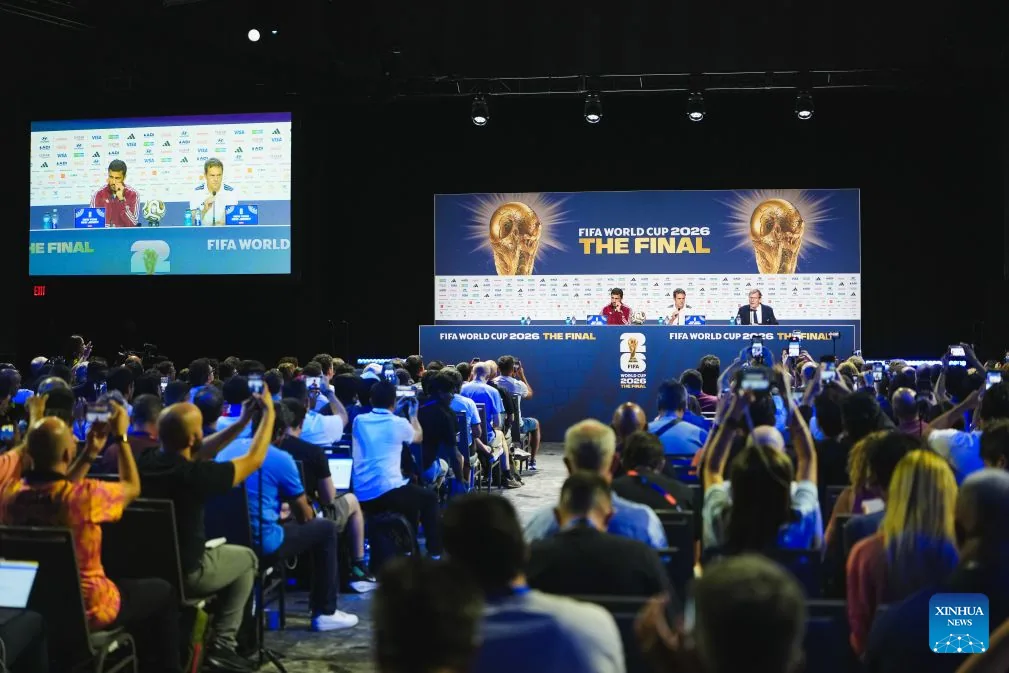
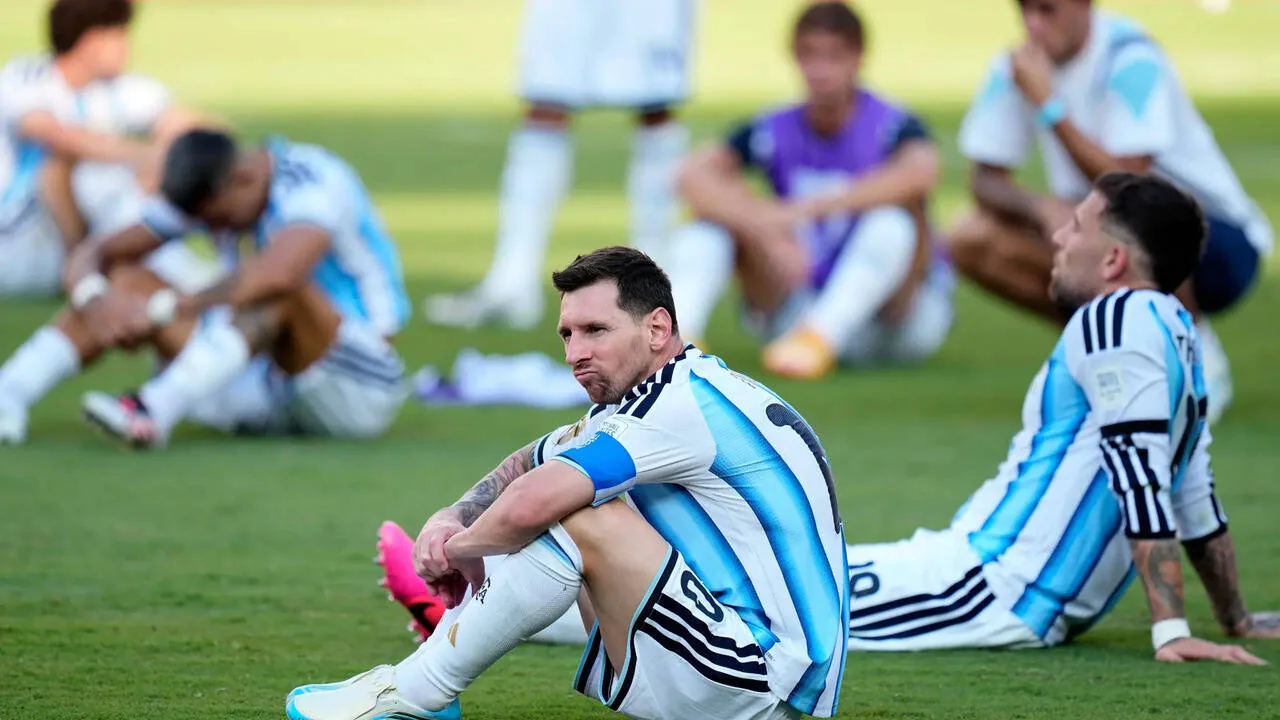
Argentina’s bid to secure consecutive FIFA World Cup titles concluded with a 1-0 extra-time defeat against Spain. The match saw Lionel Messi, captain of Argentina, visibly emotional after the final whistle, as images and videos of his reaction circulated widely. The Argentine Football Association (AFA) issued a tribute to their captain following the loss.
The final match was a departure from Argentina’s previous performances in the tournament, where they had often displayed dramatic timing in their scoring. Despite facing challenges from opponents earlier in the competition, Argentina had managed to progress. However, in the final, they were unable to register a shot in regular time and posed no threat even during the additional half-hour of play.
Spain, on the other hand, demonstrated a strong defensive strategy throughout the game. After a quiet first half, they gained control in the second period, eventually scoring in extra time. Spain’s dominance was evident in their overwhelming possession, higher number of passes, and a significant advantage in shots.
Messi’s Emotional Reaction and Legacy
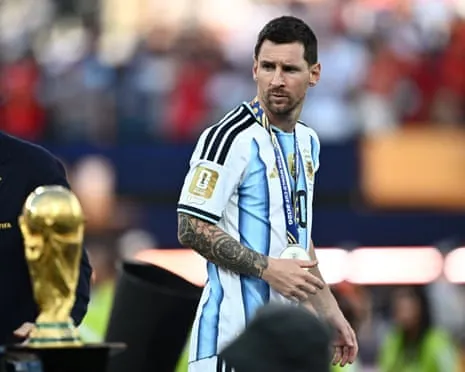
Following the defeat, Lionel Messi was seen struggling with his emotions as he collected his runners-up medal and watched Spain’s celebrations. The AFA’s message to Messi acknowledged his contributions, stating, “Your tears are our tears, Captain. You gave us the greatest joys of our lives. Thank you for the dedication, for the magic, and for giving it your all until the very last second. We love you forever, Leo!”
At 39 years old, Messi’s career achievements, both individually and with his club and country, are extensive. This final result does not diminish his legacy, though a victory would have further solidified his claim as a top player in the sport’s history. His performance in the semi-final against England is considered by some Argentinians to hold similar significance to a potential final win.
In the final, Messi had limited involvement, a contrast to his role in carrying his team earlier in the summer. This was largely attributed to Spain’s effective defensive tactics, which managed to neutralise the Argentina captain. Spain was widely seen to have outclassed Argentina in various aspects of the game.
The Decisive Goal and Tournament Context
The decisive goal came in extra time, with Ferran Torres scoring for Spain. The play began with Pedro Porro delivering a cross, which Nico Williams headed back across the goal, allowing Torres to finish with a left-footed shot past Emiliano Martinez.
This defeat marked the conclusion of a significant period in Argentina’s football history. Messi had previously led La Albiceleste to the 2022 FIFA World Cup title, along with a Copa América triumph in 2021. The dream of defending the World Cup title was not realised against a strong Spanish side.
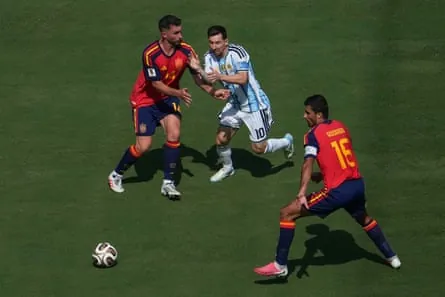
The performance in the final presented a stark contrast to Argentina’s earlier matches in the tournament, where they had been noted for their entertaining style. The team’s coach, Lionel Scaloni, like Messi, had a secure legacy before this final, having guided Argentina to a World Cup and multiple Copa América titles. However, the final was a missed opportunity to further enhance that record.
Read Also
- Mumbai and West Bengal prepare for World Cup final with home parties and public screenings
- New York: Trump celebrates World Cup as US victory ahead of trophy presentation
- New York New Jersey Stadium hosts first World Cup final halftime show
- Argentina's Lisandro Martínez exits World Cup final against Spain due to injury
Source: theguardian.com