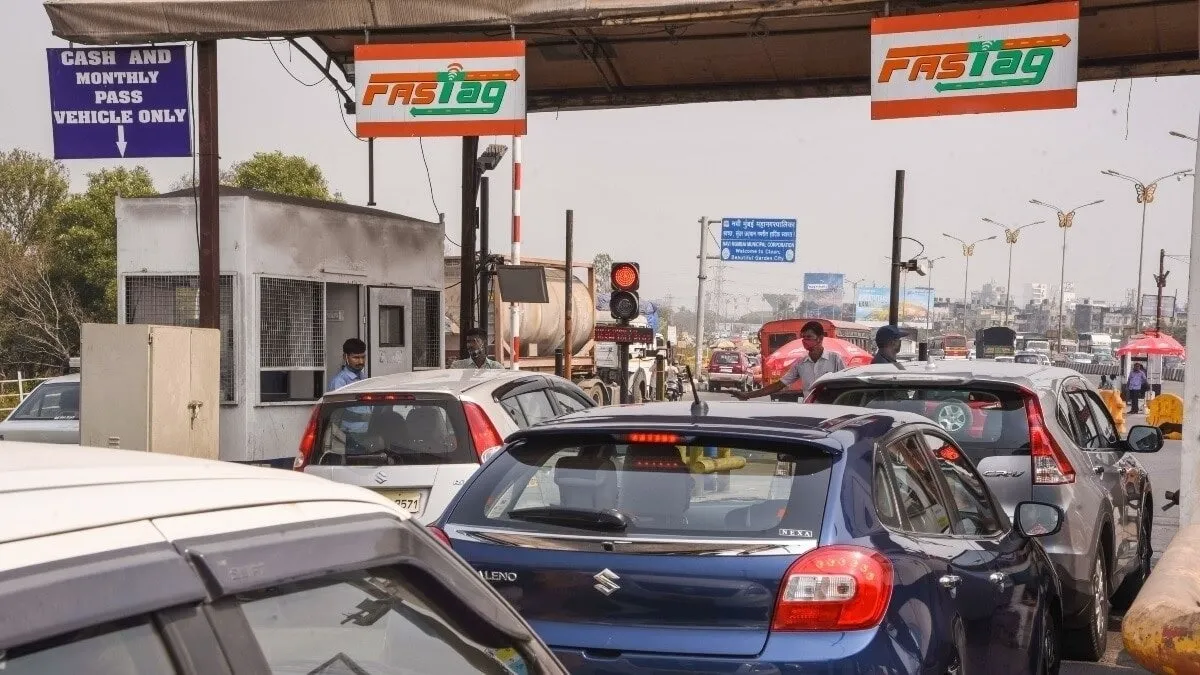
The introduction of a barrier-less tolling system in India marks a significant shift towards automated and seamless travel on national highways. Launched on December 1, 2026, at the Chorayasi Toll Plaza in Gujarat, this new system eliminates the need for vehicles to stop at toll plazas.
With the new Multi-Lane Free Flow (MLFF) system, vehicles will pass through without halting. AI cameras and sensors will scan vehicle number plates and FASTags to facilitate automatic toll payments.
Toll charges will be deducted directly from linked bank accounts or digital wallets. As part of this transition, cash payments at toll plazas will gradually be phased out, making FASTag or UPI mandatory for all users.
Key features of the new system:
- Vehicles must have valid FASTags linked to their bank accounts.
- Penalties will apply for vehicles without valid FASTags or insufficient balance.
- If a FASTag fails, QR codes will be available for UPI payments.
Nitin Gadkari emphasized that this initiative aims to make travel smoother by eliminating long queues at toll booths. He stated, “Now you will not have to stand in long queues at toll plazas or stop your vehicle.” The government seeks to create cashless highways that reduce human intervention in the toll collection process.
Drivers are encouraged to ensure their FASTags are active before embarking on their journeys. Additionally, entry to toll plazas may be restricted for those who repeatedly violate the new rules.
This transition represents a substantial move towards modernizing India’s highway infrastructure. However, it remains unclear how quickly users will adapt to these changes and what challenges might arise during implementation.