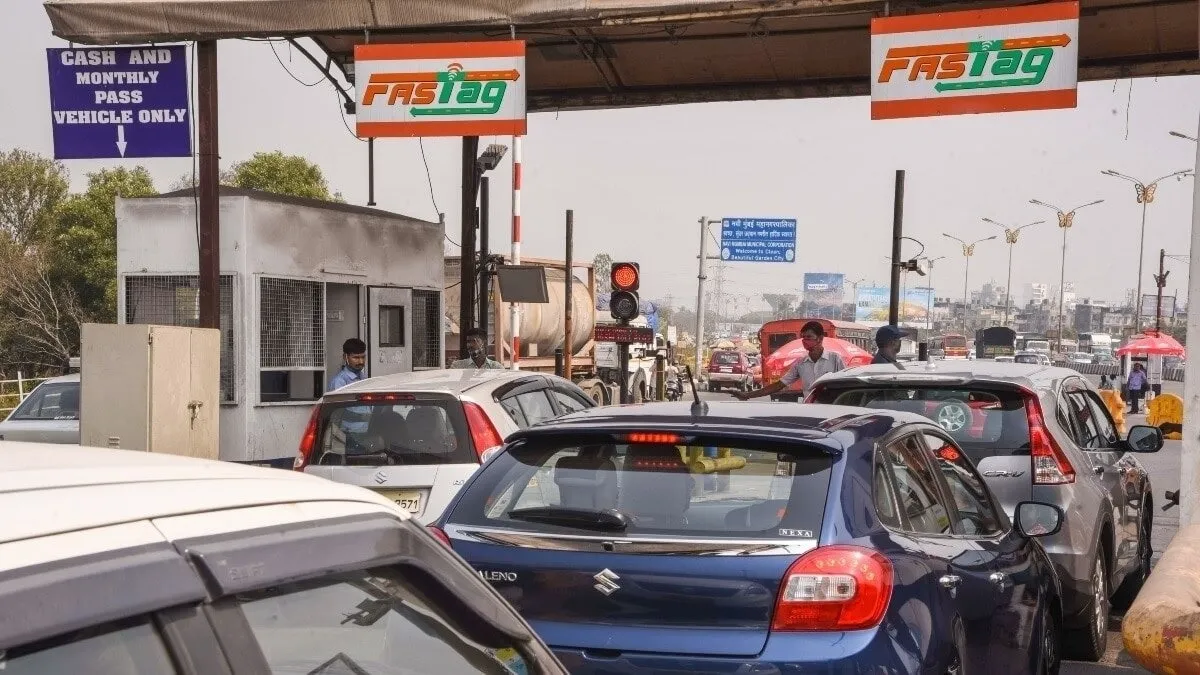
The introduction of a barrier-less tolling system in India marks a significant shift towards automated and seamless travel on national highways. Launched on December 1, 2026, at the Chorayasi Toll Plaza along NH-48 in Gujarat, this innovative system aims to enhance the efficiency of toll collection.
The new Multi-Lane Free Flow (MLFF) system allows vehicles to pass through toll plazas without stopping. This move eliminates long queues and reduces travel time for motorists.
Utilizing advanced AI technology, the system employs cameras and sensors to scan vehicle number plates and FASTags. Toll payments will be automatically deducted from linked bank accounts or digital wallets, promoting cashless highways.
The government plans to phase out cash payments at toll plazas, making FASTag or UPI mandatory for all vehicles. Nitin Gadkari emphasized that this change will significantly streamline the toll process.
To ensure compliance, penalties will apply for vehicles without valid FASTags or insufficient balance. In cases where FASTags fail, QR codes will be available for UPI payments.
Drivers are advised to keep their FASTags active and properly linked to their bank accounts. The government aims to minimize human intervention at toll booths as part of this transition.
Key facts about the new tolling system:
- This is India’s first MLFF barrier-less tolling system.
- Toll payments will happen automatically without vehicle stops.
- The initiative is part of a broader push towards digital payments across national highways.
The transition to this system represents a major leap in India’s efforts to modernize its infrastructure. However, entry restrictions may apply at toll plazas for repeated violations of these new rules.
Nitin Gadkari stated, “Now you will not have to stand in long queues at toll plazas or stop your vehicle.” The goal is to make travel so smooth that drivers can reach their destinations without interruptions.