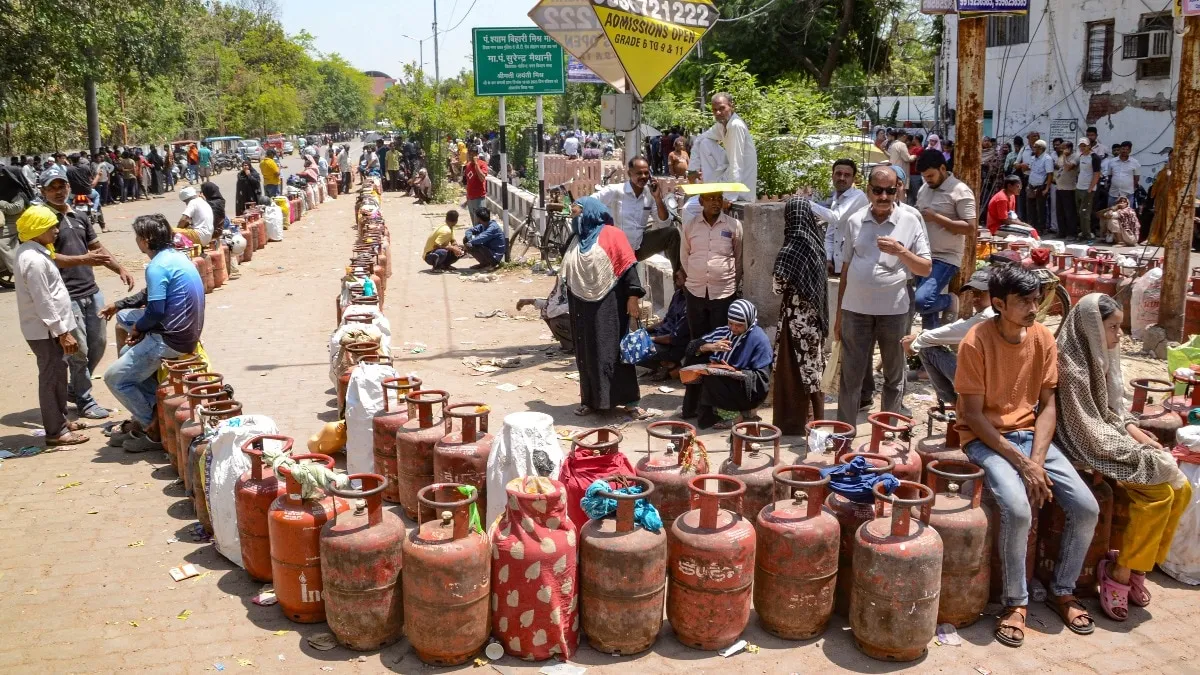
The Indian government is enforcing stricter LPG booking rules and pushing households to switch to piped natural gas (PNG) amid rising global energy prices. The ongoing conflict in West Asia has significantly impacted the cost of energy, leading to an increase in the price of a 14.2 kg domestic LPG cylinder by Rs 60 across the country.
In addition to the domestic cylinder price hike, commercial cylinder prices have also surged. The 19 kg commercial cylinder has seen three price increases in April alone, totaling Rs 196. This escalation has raised concerns among consumers and businesses alike.
To manage the supply more efficiently, the interval between LPG bookings has been extended from 21 days to 25 days in urban areas, while rural residents will now have to wait up to 45 days. These changes aim to streamline distribution and reduce pressure on supply chains.
Meanwhile, the government plans to make an OTP-based delivery authentication system permanent for LPG deliveries. This initiative aims to enhance security and ensure that deliveries reach the right recipients.
Separately, Aadhaar-based biometric authentication has become mandatory for beneficiaries of the Pradhan Mantri Ujjwala Yojana who have yet to complete their eKYC process. This requirement ensures that subsidies reach eligible households effectively.
Households with existing piped natural gas connections face restrictions as they cannot surrender their domestic LPG connections. In fact, if a household does not switch to PNG within three months of availability, their LPG supply will cease altogether.
So far, approximately 5.45 lakh PNG connections have been established since March 2026, indicating a significant push towards this cleaner energy source. Furthermore, an additional infrastructure plan for 2.62 lakh PNG connections is underway.
Officials anticipate that further revisions in LPG prices are likely from May 1, 2026, as global market conditions continue to fluctuate. Consumers are advised to stay informed about these developments as they may affect household budgets.