The BJP’s significant electoral gains in West Bengal mark a dramatic shift in the state’s political landscape, ending a 15-year rule by the TMC. In the recent assembly elections held on May 4, 2026, the BJP secured control of 194 out of 294 seats, highlighting a substantial change in voter sentiment.
In stark contrast, the All India Trinamool Congress (TMC) saw its representation drop to just 94 constituencies. This decline signifies a critical moment for the party that dominated West Bengal politics for over a decade and a half.
Key statistics from the elections:
- Voter turnout reached an unprecedented 91.66%, marking the highest since India’s independence.
- The BJP’s success reflects its expanding footprint across various states, including Assam and Puducherry.
- Previously, the BJP held no seats in West Bengal during both the 2006 and 2011 elections.
Suvendu Adhikari, a prominent BJP leader, confidently stated, “The BJP will form a government with more than 180 seats.” This assertion underscores the party’s optimism moving forward.
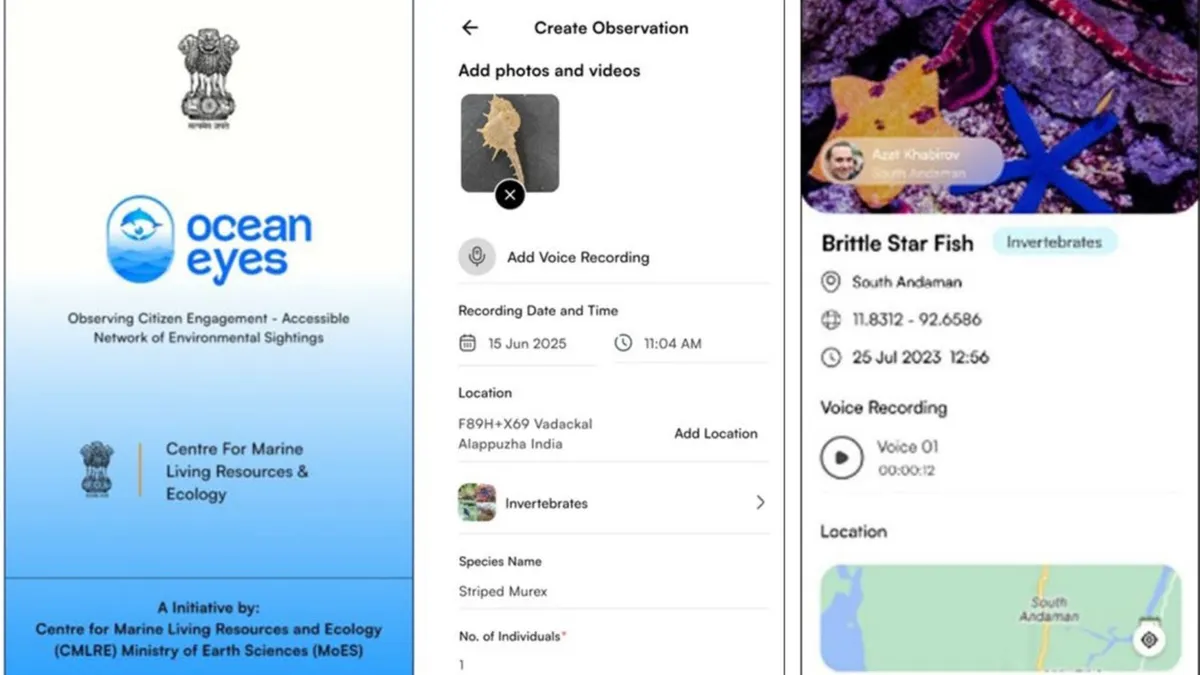
Meanwhile, on another front, India is making strides in marine biodiversity mapping through citizen science initiatives. The mobile application OceanEyes, launched by the Centre for Marine Living Resources and Ecology and supported by the Ministry of Earth Sciences, aims to catalog marine life across Indian waters.
This app encourages citizens to log sightings of marine animals, contributing valuable data to enhance understanding of marine ecosystems. OceanEyes formats this information for integration into the Ocean Biodiversity Information System.
As approximately 70% of our planet is covered by oceans, such initiatives are crucial for preserving marine biodiversity. The collaboration between technology and public engagement exemplifies how citizen science can play a pivotal role in environmental conservation efforts.
The evolving political landscape in West Bengal and advancements in marine biodiversity mapping reflect India’s dynamic nature. However, uncertainties remain regarding how these developments will impact future governance and environmental policies.