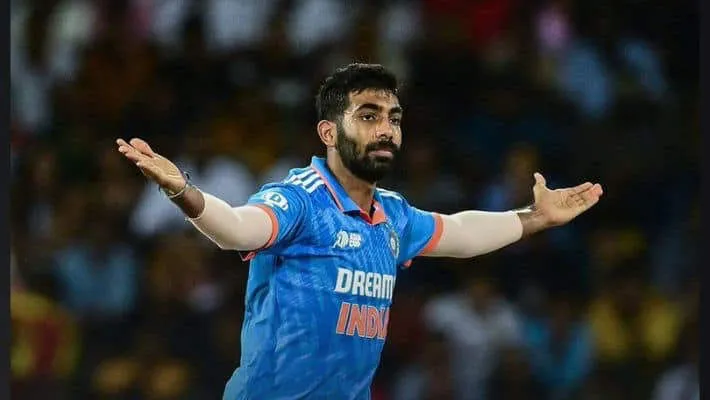
In a recent T20I match held in Dubai, Indian bowler Jasprit Bumrah faced scrutiny after conceding 45 runs in just 4 overs, marking his third highest run tally in T20I cricket. This performance comes as India faced off against their long-time rivals, Pakistan, in a match that saw Bumrah give away 34 runs during the powerplay, his highest in T20 matches.
Despite Bumrah’s struggles, India maintained an impressive 8-0 record against Pakistan in T20Is, showcasing their dominance in this format. The match also highlighted the exceptional performance of Abhishek Sharma, who scored the fastest fifty against Pakistan in just 24 balls, contributing significantly to India’s innings.
The opening partnership between Sharma and Shubman Gill was noteworthy, as they amassed 105 runs, setting a strong foundation for the team’s chase. India’s highest successful chase against Pakistan remains at 172 runs, a target they have successfully achieved in the past.
However, the match was not without its challenges for India, as they dropped 5 catches, the highest number since 2019, which could have potentially shifted the game’s momentum. The team’s highest powerplay score against Pakistan in T20Is was recorded at 69/0, further emphasizing their aggressive start.
In historical context, Gautam Gambhir had previously scored 75 runs against Pakistan in the 2007 World Cup final, a performance that remains etched in the memories of cricket fans. In comparison, Abhishek Sharma’s 74 runs against Pakistan in 2025 adds to the growing list of impactful performances against their rivals.
As the cricketing world reflects on Bumrah’s performance, the focus will be on how he rebounds from this outing. His ability to perform under pressure will be crucial for India’s future matches, especially in high-stakes encounters against formidable opponents.
Details remain unconfirmed regarding any potential adjustments Bumrah may make in his bowling strategy moving forward, but the cricket community is keenly observing his next steps.