Historic Victory at Azteca
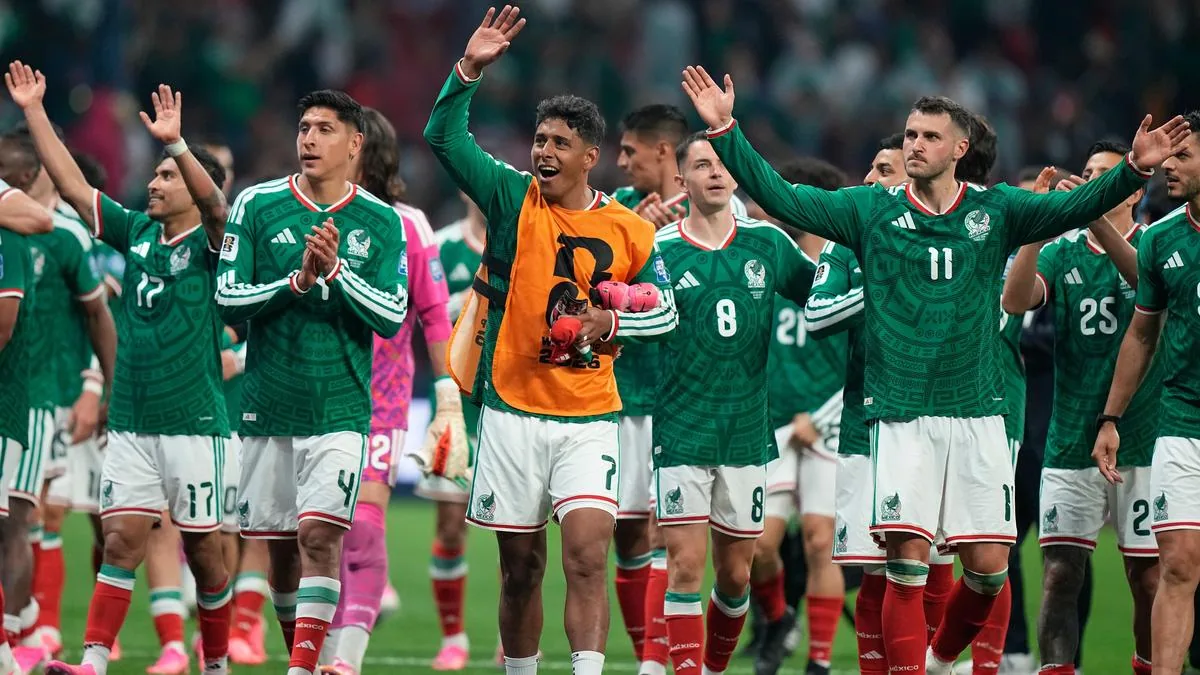
Mexico secured a significant World Cup knockout stage victory, defeating Ecuador 2-0 in a match that saw them break a 40-year drought without a win in this phase of the tournament. The win at the iconic Azteca Stadium propels El Tri into the round of 16, marking their first knockout stage triumph since 1986.
The match, which was delayed by an hour due to an electric storm, ultimately delivered a memorable performance from the Mexican side. Javier Aguirre’s players displayed an impressive first-half showing, setting the tone for their historic win.
The opening goal came in the 22nd minute from Julián Quiñones, who received a clipped pass from Jésus Gallardo and fired the ball into the net. This was Quiñones’ third goal of the tournament.
Just nine minutes later, Raul Jiménez, the striker, doubled Mexico’s lead. He capitalized on a defensive error, exchanging passes with Quiñones before scoring past Ecuador’s goalkeeper, Hernán Galíndez. This marked Jiménez’s second goal of the tournament.

The victory holds particular significance for Aguirre, who had overseen two previous early exits in 2002 and 2010 during his earlier tenures. He expressed that no other victory compared to this one, given it occurred at home with their supporters.
Impact of Travel on Performance
The match was not without its pre-game complications, particularly for the Ecuadorian team. Ecuador lodged a formal complaint regarding significant travel delays on their journey to Mexico City. What was anticipated to be a three-and-a-half-hour flight, plus travel to the hotel, extended into a nine-hour journey.
This complaint highlighted a broader issue within the current World Cup format, which spans across the United States, Mexico, and Canada. The extensive distances necessitate long flights, disrupting team routines and adding logistical challenges to preparation.
According to physiotherapist and doctor in Biomedicine and Health Sciences, Julio Caballero, travel fatigue can significantly impact a team’s performance. He noted that prolonged sitting, disrupted sleep, and accumulated physical and mental stress during travel are not minor details, especially when athletes are competing at their physical limits.
Caballero explained that while travel may not directly cause injuries, it can reduce a player’s capacity to tolerate the demands of a high-intensity match. Prevention strategies, such as activating muscles before travel, avoiding immobility during flights, and ensuring adequate hydration, are crucial for mitigating these effects.
Looking Ahead to the Round of 16
Mexico’s goalkeeper, Raúl Rangel, made a crucial save from John Yeboah before halftime, ensuring Mexico maintained their lead. In the second half, Ecuador’s best opportunity came from substitute Kevin Rodríguez, who shot wide. Towards the end of the match, Piero Hincapié was dismissed for violating mouth-covering rules.

The Mexican team’s performance was also bolstered by the exceptional play of 17-year-old Gilberto Mora. His range and quick feet were instrumental in Mexico’s strong start, with his presence on the right side of the midfield proving difficult for Ecuador to manage.
With this win, Mexico extended its unbeaten run to a number of games and became the first CONCACAF side to eliminate a CONMEBOL side in a World Cup knockout match. South American teams had won the previous five such encounters.
Mexico will now face the winner of the match between England and the Democratic Republic of the Congo in the round of 16. This upcoming tie is scheduled to take place on Sunday, July 5, 2026, and will be the last of this summer’s matches to be held in Mexico.

Aguirre, who became a grandfather on Monday, expressed his eagerness to assess the next opponent, stating that he and his staff would watch the England versus DR Congo game to prepare. He emphasized the need for his team to remain sharp to maintain their momentum.
Read Also
Source: theguardian.com