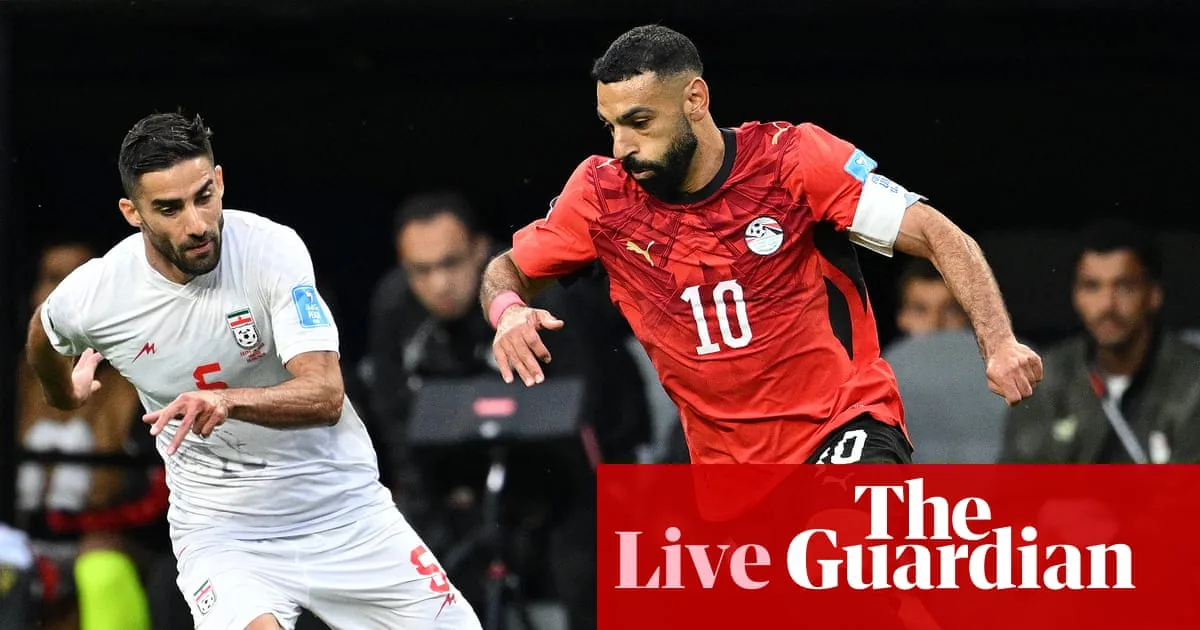
Match action unfolds between Egypt and Iran
The World Cup 2026 match between Egypt and Iran saw significant action in the first half. Early in the game, Iran showed intent with Ghoddos delivering a cross that Ezatolahi could not connect with at the far post. Later, Ezatolahi had another opportunity, smashing a shot over the bar.
Egypt also created chances, with Trezeguet and Marmoush linking up, though the final cross was poor. Salah kept the attack alive, and his ball to Trezeguet resulted in a snapshot that Beiranvand saved. Hany had a cross cleared, and Saber sent a long-range effort wide.
The match featured several fouls and yellow cards. Ibrahim received a yellow card after a follow-through on Ezatolahi. Saber also entered the referee’s book for a challenge in midfield. Ali was booked for Iran after a foul on Salah.
A significant moment occurred when Abdelmonem conceded a penalty by kicking Taremi’s boot. Although Shobeir made a magnificent save from Ezatolahi’s shot, the rebound fell to Rezaeian, who scored from a narrow angle. Abdelmonem, who conceded the penalty, appeared to be struggling with fitness but continued playing.
The game was described as frantic, with both teams having distinct approaches. Egypt aimed to control possession and dictate the tempo, while Iran preferred direct, fast counterattacks. The goalkeepers, Beiranvand for Iran and Shobeir for Egypt, were noted as decisive actors in the early stages of the match.
Seattle’s Pride Match context
The match in Seattle has been designated a Pride Match by local organisers, coinciding with Pride Weekend, which celebrates diversity and the LGBTQ+ community. This designation has led to planned drag performances and watch parties across the city, with rainbow flags permitted inside the stadium.
Despite complaints from both Iran and Egypt, where homosexuality is illegal, the event proceeded. Both teams’ coaches focused on football in their pre-match press conferences. Iran’s head coach, Amir Ghalenoei, stated his team was there to play football and would not address “things that do not exist” or are forbidden in their religion.
Seattle’s World Cup organising committee officials clarified that the timing of the Pride Match was not intended to provoke. They explained that Pride Weekend was planned before the draw paired Egypt and Iran. Hedda McLendon from the committee expressed enthusiasm, stating that the event reflects Seattle’s unique identity and encourages curiosity.
Jess Fishlock, a Wales football legend living in Seattle and part of the host committee, emphasized that the match’s significance is tied to Seattle’s culture, regardless of the teams playing. Fifa confirmed that while the World Cup 2026 is inclusive and welcomes people from all backgrounds, this is not a Fifa Pride Match but a regular game in a city celebrating Pride Weekend. General statements of human rights, including rainbow flags, are permitted under the Fifa World Cup 2026 stadium code of conduct.
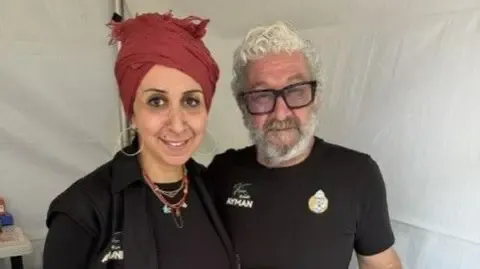
At a fan zone, Egyptian fans expressed that the Pride Match aspect was irrelevant to them, with their focus on their team’s progression to the next round. Ayman Almasri and Amani Abouammo, owners of an Egyptian restaurant pop-up, noted the cultural misunderstanding surrounding the event, explaining that while Seattle is accustomed to such celebrations, their home country is not.
On the pitch, Egypt entered the match with momentum after a victory against New Zealand, aiming to win Group G. Iran’s tournament has been influenced by political factors, travel restrictions, and preparation time concerns.
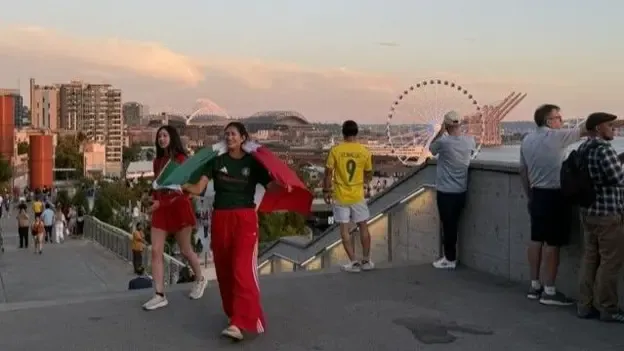
The match highlights the intersection of sporting competition and differing cultural values as the World Cup unfolds in Seattle.
Read Also
Source: theguardian.com